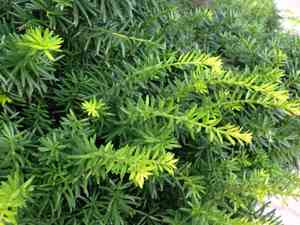
Japanese yew (Taxus cuspidata)
Also known as: Japanese Yew, Spreading Yew
The Japanese Yew (Taxus cuspidata) is a tree species indigenous to Japan, Korea, and China. It comes in various sizes and produces bright red berries alongside vibrant green leaves, making it a favored choice for holiday decorations. However, this plant is toxic to humans. Birds like waxwings, thrushes, and cardinals often use it for shelter.
Attributes of Japanese yew
Images of Japanese yew
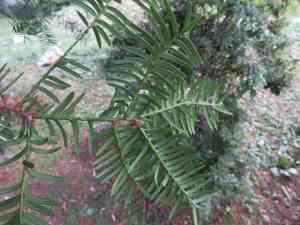
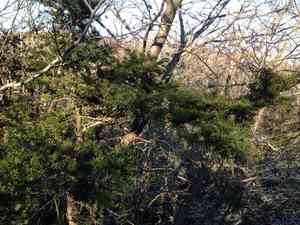
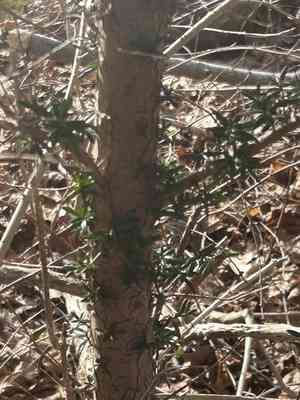
Quickly Identify Japanese yew
Scientific Classification of Japanese yew
Planting and Growing of Japanese yew
 How to Water Japanese yew?
 What Are the Sunlight Requirements for Japanese yew?
 What Is the Ideal Temperature Range for Japanese yew?
 What Soil is Best for Japanese yew?
 How to Fertilize Japanese yew?
 How to Prune Japanese yew?
 How to Propagate Japanese yew plant?
 How to Repot Japanese yew plant?
Toxicity of Japanese yew
Is Japanese yew toxic to humans?
The Japanese yew is regarded as one of the most toxic trees found in nature. Nearly every portion of this tree, except for the fleshy pulp of the berries, contains harmful alkaloids known as taxine. These dangerous compounds are especially abundant during the winter months and retain their toxicity even after the tree has died. Taxine can be absorbed through the skin, which underscores the importance of wearing gloves while dealing with this tree to avoid any exposure to its sap. In addition to causing severe gastrointestinal distress, taxines can lead to a slow and/or irregular heartbeat, resulting in symptoms such as dizziness, headache, tremors, and significant cardiac and respiratory complications. Ultimately, blood pressure can plummet to life-threatening levels, potentially leading to respiratory or heart failure.
Is Japanese yew toxic to cat?
Japanese yew is extremely poisonous to felines and can present significant health hazards. Cats can be poisoned by consuming any portion of the plant since every part is toxic. Upon exposure, cats may show signs of physical distress, which can be severe owing to the plant's high toxicity. Cat owners need to be cautious and restrict access to Japanese yew, as even a tiny amount can be perilous. If there is a suspicion that a cat has ingested Japanese yew, prompt veterinary care is essential to address the poisoning and ensure the best possibility for recovery.
Is Japanese yew toxic to dog?
The Japanese yew is an extremely poisonous plant for dogs, representing significant health hazards. Any part of the Japanese yew can be harmful if ingested by dogs, as all components of the plant contain toxins. Even minimal consumption can trigger severe adverse effects. Therefore, dog owners must remain alert and restrict their pets from areas where Japanese yew is present. Signs of poisoning may manifest as vomiting, diarrhea, breathing difficulties, muscle tremors, seizures, or potentially heart failure. Dog owners must act quickly and seek prompt veterinary assistance if they believe their dog has consumed Japanese yew. Timely intervention is essential for maximizing the likelihood of a successful recovery.



