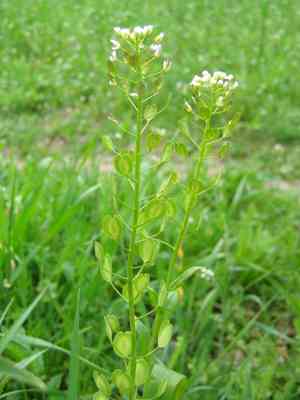
Field pennycress (Thlaspi arvense)
Also known as: Fanweed, Stinkweed
Field pennycress (Thlaspi arvense) serves multiple purposes. While its bitter taste renders it unsuitable for human consumption, it is valuable as livestock fodder. Moreover, the oil extracted from its seeds is an excellent renewable resource for producing biodiesel and jet fuel. Additionally, field pennycress is used as a cover crop to combat soil erosion and enhance soil quality, and its ability to absorb heavy metals makes it useful for phytoremediation.
In This Article
Attributes of Field pennycress
Lifespan
Annual
Plant Type
Herb
Plant Height
15 cm to 61 cm
Spread
30 cm
Leaf Color
Green
Flower Size
2.5 cm
Flower Color
White
Images of Field pennycress
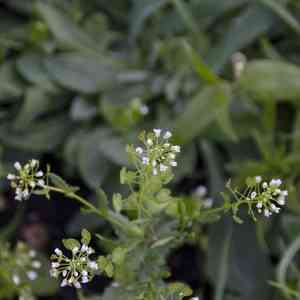
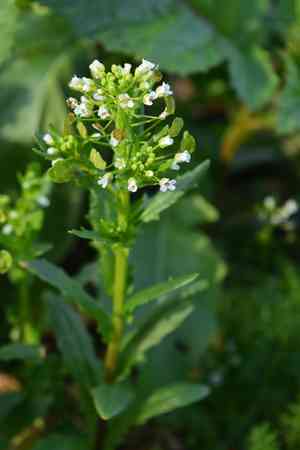
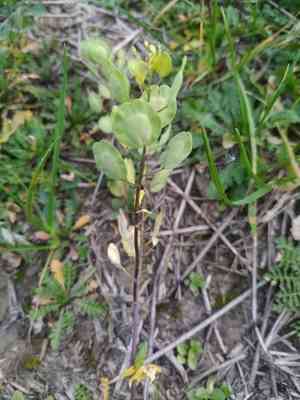
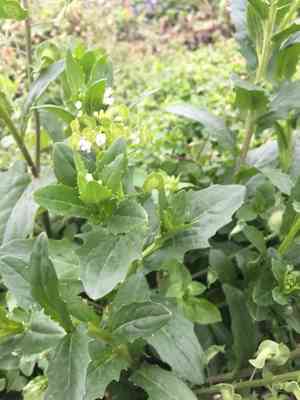
Quickly Identify Field pennycress
1
Basal rosette of oblanceolate leaves with wavy margins and rounded tips.
2
Distinctive flat oval fruit pod with a prominent notch at the tip.
3
Ribbed stem with a winged appearance, growing 1-2 feet tall.
4
Tiny white flowers in dense clusters, each 1/8 to 1/4 inch in diameter.
5
Flattened, round seed pods with a notch at the top, containing black seeds.
Scientific Classification of Field pennycress
Phylum
Vascular plants
Class
Dicotyledons
Order
Brassicales
Family
Cruciferae
Genus
Pennycresses
Species
Field pennycress
Planting and Growing of Field pennycress
Care Difficulty
Easy
Watering Schedule
Every 3 days
Sunlight Requirements
Full sun
Sunshine Duration
4-8 hours
Ideal Temperature
60-75℉
Soil Type
Potting Mix, Peat Mix
Soil pH
6.5-7.5
Fertilizer Type
Balanced
Pruning Season
Spring, Summer
Pruning Area
Branches, Leaves
Pruning Frequency
Once a year
Repotting Season
Spring
Pot Type
Plastic, Ceramic
 How to Water Field pennycress?
Field Pennycress requires moderate watering. It is crucial to ensure the soil remains consistently moist but not waterlogged. Water the plant with approximately 200 ml of water per session, making sure the top inch of the soil is thoroughly moistened. This helps in maintaining a balanced moisture level, crucial for healthy plant growth.
What are the symptoms of an underwatered Field pennycress?
›
What should I do if my Field pennycress is not getting enough water?
›
What are the symptoms of an overwatered Field pennycress?
›
How to save an overwatered Field pennycress?
›
 What Are the Sunlight Requirements for Field pennycress?
Optimal light conditions are full to partial sun exposure. This ensures Thlaspi arvense receives sufficient light for energy production, leading to robust growth and flowering.
How much sunlight does Thlaspi arvense need?
›
How to ensure optimal sunlight exposure?
›
What benefits come from optimal sunlight exposure?
›
 What Is the Ideal Temperature Range for Field pennycress?
Thlaspi arvense thrives best in temperatures between 60°F and 75°F. This range encourages optimal growth and prevents stress-related issues. Ensuring temperatures remain stable within this range can lead to vigorous development and overall plant health.
 What Soil is Best for Field pennycress?
Thlaspi arvense thrives in nutrient-rich soils, benefiting from a well-balanced mix of organic matter. Such soil provides essential nutrients that promote vigorous growth and abundant flowering, crucial for healthy plant development. A well-draining soil is essential for Thlaspi arvense, as it prevents waterlogging that can damage roots. Adequate drainage ensures that the plant receives enough moisture without drowning in excess water, maintaining optimal health. Soil that retains moderate moisture but dries out between watering cycles supports steady growth for Thlaspi arvense. It balances moisture availability, preventing both drought stress and over-saturation.
 How to Fertilize Field pennycress?
For Thlaspi arvense, a balanced N-P-K fertilizer with a ratio of 10-10-10 is ideal. Use approximately 1 tablespoon of liquid fertilizer diluted in 1 gallon of water for every square foot of planting area. This should ensure the plant gets enough nutrients without the risk of over-fertilization.
 How to Prune Field pennycress?
Carry out pruning in the early spring before new growth begins and again in mid-summer after flowering. This timing helps in redirecting energy to new growth. Cut back stems by a third, focusing on removing spent flower heads and any damaged or diseased foliage. Encourage air circulation within the plant to improve its overall health.
 How to Propagate Field pennycress plant?
1
Fill your seed tray with fine potting soil, lightly moistening it beforehand. Ensure the soil is leveled and gently press it down to remove air pockets, creating a uniform bed for the seeds.
2
Scatter Thlaspi arvense seeds evenly across the soil surface. Cover them with a thin layer of soil, approximately twice the size of the seeds, to protect them while allowing light penetration.
3
Water the soil gently using a fine mist spray to avoid disturbing the seeds. Maintain consistent moisture by covering the tray with a plastic lid or placing it in a humidity tent.
 How to Repot Field pennycress plant?
1
For Thlaspi arvense, repotting is necessary when the plant begins to outgrow its container or when root-bound symptoms appear. Signs include roots protruding from drainage holes and stunted growth. The best time to repot is during the spring or early summer when the plant is actively growing, ensuring minimal stress during the transition.
2
Opt for a pot that's slightly larger than the current one, with ample drainage holes for preventing waterlogging. A pot that provides good air circulation and drainage helps maintain a healthy root system. Avoid overly large pots, which can lead to excessive moisture retention.
3
Select a soil mix that ensures good drainage, such as a sandy loam mix. This type of soil mimics Thlaspi arvense's natural habitat, allowing roots to breathe and reducing the risk of root rot. Incorporating organic matter can also enhance soil fertility, promoting healthy plant growth.
Toxicity
Ingestion
WARNING
The judgment on toxicity and danger is for reference only. We DO NOT GUARANTEE any accuracy of such judgment. Therefore, you SHALL NOT rely on such judgment. It is IMPORTANT TO SEEK PROFESSIONAL ADVICE in advance when necessary.
Learn More About Field pennycress Diseases
Bacterial Leaf Spot
Bacterial Soft Rot
Clubroot
Cyst Nematode
Damping-off
Downy Mildew
Drought Stress
Fusarium Wilt
Gray Mold
Leaf Spot
Mosaic
Nutrient Deficiency
Nutrient Toxicity
Powdery Mildew
Root Rot
Root-knot Nematode
Rusts
Spider Mites
Temperature Stress
Thrips Damage
White Mold
Chemical Injury



