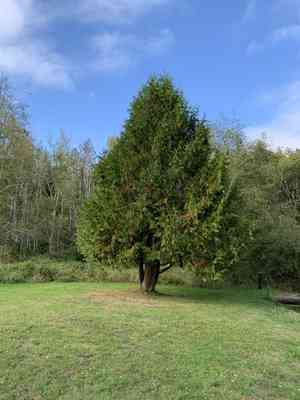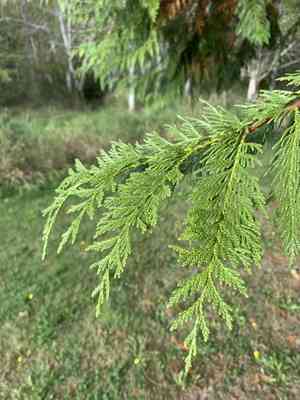
Western red cedar(Thuja plicata)

Western red cedar (Thuja plicata)

Also known as: Western Red Cedar, Giant Arborvitae

Western Red Cedar (Thuja plicata) is a tree native to the western United States, belonging to the Cypress family. Though its name suggests otherwise, it is not a true cedar. This species is popularly used in the construction of decks, siding, and guitar soundboards.

Attributes of Western red cedar

Lifespan
Perennial
Plant Type
Tree
Plant Height
65 m to 70 m
Spread
4.5 m to 6 m
Leaf Color
Green Yellow Variegated
Flower Size
1 mm to 3 mm
Flower Color
Yellow Green Black

PlantJoy - Identify plants with a snap

Identify and diagnose plants, get toxicity alerts, and explore safety guides for all types of fungi.

Try for Free

Images of Western red cedar

Western red cedar(Thuja plicata)

Quickly Identify Western red cedar

1
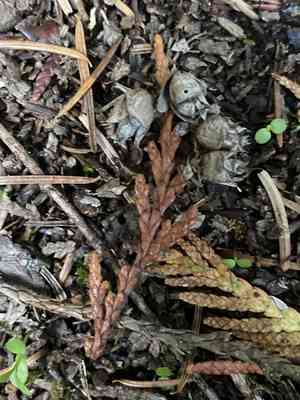
Distinct braided foliage in flat sprays aids in identification.
2
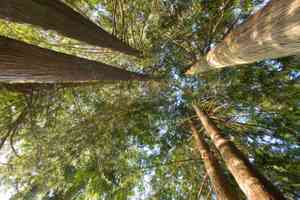
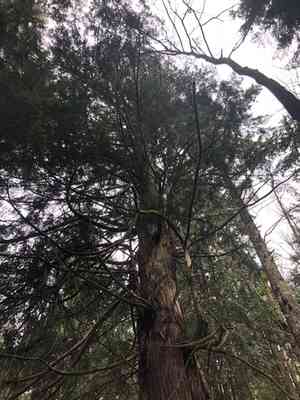
Trunk with rugged, fibrous bark in gray to reddish-brown hues.
3
Slender, colorful stems resistant to breakage, ranging 0.1-0.3 inches (2.5-7.5 mm).

Scientific Classification of Western red cedar

Phylum
Vascular plants
Class
Conifers
Order
Pines and allies
Family
Cypress
Genus
Arborvitaes
Species
Western red cedar

Planting and Growing of Western red cedar

Care Difficulty
Easy
Watering Schedule
Every 4 days
Sunlight Requirements
Full sun
Sunshine Duration
6-10 hours
Ideal Temperature
60-75℉
Soil Type
Potting Mix, Peat Mix
Soil pH
5-7.5
Fertilizer Type
Balanced
Pruning Season
Spring, Summer
Pruning Area
Branches, Leaves
Pruning Frequency
2 times a year
Repotting Season
Spring
Pot Type
Plastic, Ceramic

water icon How to Water Western red cedar?

For Thuja plicata, it's essential to maintain the soil consistently moist but not saturated. A watering session should provide about 500ml of water, ensuring it reaches the root zone without causing waterlogging.
What are the symptoms of an underwatered Western red cedar?
What should I do if my Western red cedar is not getting enough water?
What are the symptoms of an overwatered Western red cedar?
How to save an overwatered Western red cedar?

sunlight icon What Are the Sunlight Requirements for Western red cedar?

Sunlight Requirements: Full sun, Partial sun
Duration of light: 4 to 6 hours
Partial to full sunlight is ideal, providing morning light followed by afternoon shade. Proper lighting encourages dense, vibrant foliage and ensures the plant’s robust growth and health.
What are the ideal lighting conditions for Thuja plicata?
How to achieve ideal lighting for Thuja plicata?
Benefits of ideal light conditions for Thuja plicata?

temperature icon What Is the Ideal Temperature Range for Western red cedar?

Ideal Temperature: 60 ~ 75℉
The ideal temperature range for Thuja plicata is between 60°F and 75°F. Within this range, the plant experiences optimal growth and development. Maintaining warmth around these levels ensures that the photosynthesis process remains efficient, providing energy for healthy foliage and robust root systems.

soil icon What Soil is Best for Western red cedar?

Soil type: Loam, Sandy loam, Acidic soil
Soil PH: 5 ~ 7.5
Thuja plicata thrives in well-drained soil, which prevents root rot and provides optimal moisture levels. Ensuring good drainage helps maintain plant vigor and health. Although drainage is critical, Thuja plicata also benefits from soil that retains moisture. This balance supports its growth, especially in drier conditions. High organic matter content in soil improves nutrient availability, promoting lush foliage and overall health. Compost or decayed leaves can enhance soil productivity.

fertilize icon How to Fertilize Western red cedar?

Fertilizer type: Balanced
When it comes to fertilizing Thuja plicata, less is often more. This tree benefits from light applications, typically requiring only a balanced, slow-release granular fertilizer applied sparingly, at a rate of about 0.5 pounds per tree annually.

prune icon How to Prune Western red cedar?

Pruning Time: Spring, Summer, Autumn
Start by identifying any dead or diseased branches. You want to clear these out first as they can harbor pests or diseases and impede growth. Working from the bottom up, trim excess growth back to the base. This helps maintain the plant's natural shape and encourages upward growth. Thujas have a distinct conical shape. When pruning, always aim to retain this silhouette to retain both aesthetic and structural integrity. Avoid over-pruning as this can lead to stress, reducing the plant's ability to thrive. Focus on small, controlled adjustments to the tree's shape.

propagate icon How to Propagate Western red cedar plant?

Propagate Time: Early spring, Late winter
1
Collect seeds from mature cones during early spring or late winter. Make sure the seeds are fully ripe and dry them in a warm, ventilated area to prepare them for sowing.
2
Take cuttings from healthy branches during early spring. Cuttings should be about 6-8 inches long and taken just below a node. Strip the lower leaves to reduce moisture loss.
3
Prepare a well-draining soil mix by combining sand and peat moss. This provides optimal aeration and moisture retention for seed germination and rooting of cuttings.

repot icon How to Repot Western red cedar plant?

Repotting frequency: Every 2-3 years
1
You will know it's time to repot your Thuja plicata when the roots are coming out of the drainage holes, or it's showing signs of being root-bound. During spring or fall, the plant is less stressed, making it the perfect time for repotting. Look for slow growth as a signal.
2
For a thriving Thuja plicata, pick a pot that is just a few inches larger than the current one. It should have ample drainage holes to prevent waterlogging and rot, ensuring healthy root growth and maintaining soil integrity.
3
Opt for a well-draining, rich, and slightly acidic soil mix. This type of soil ensures that the roots get ample aeration while keeping water retention optimal, crucial for the plant's balanced nutrition and growth.

PlantJoy - Identify plants with a snap

Find the best spots for them to optimize their health, simply using your phone.

Try for Free

Toxicity of Western red cedar

Is Western red cedar toxic to cat?

Western red cedar poses a moderate toxicity risk to cats. Poisoning can occur when a cat consumes any portion of the plant, since all parts are deemed toxic. Following the ingestion of western red cedar, cats may display signs of physical distress and illness. Therefore, it is imperative for pet owners to carefully observe their cats and obtain immediate veterinary assistance if they suspect ingestion of western red cedar to guarantee timely treatment and the optimal outcome.

Is Western red cedar toxic to dog?

Western red cedar presents a moderate poisoning risk for dogs. Ingesting any part of this plant can lead to toxic effects in dogs. Signs of poisoning may include gastrointestinal disturbances, excessive drooling, vomiting, and possible respiratory issues. It is essential for dog owners to remain attentive and discourage their pets from chewing or consuming any portions of western red cedar. Should there be a suspicion that a dog has ingested this plant and may be poisoned, it is vital to obtain prompt veterinary assistance to secure the best outcome for the animal.

Identify toxic plants for your safety

Learn which plants are harmful to you and your pets, and make informed choices for a safer home!

Try for Free
WARNING
The judgment on toxicity and danger is for reference only. We DO NOT GUARANTEE any accuracy of such judgment. Therefore, you SHALL NOT rely on such judgment. It is IMPORTANT TO SEEK PROFESSIONAL ADVICE in advance when necessary.