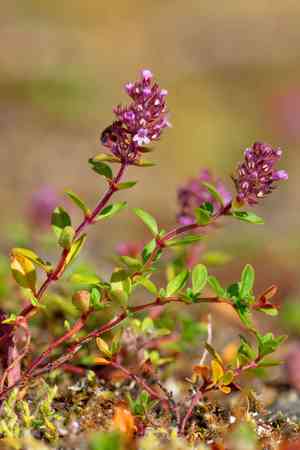
Lemon thyme (Thymus pulegioides)
Also known as: Broad-leaved thyme, Creeping thyme
Lemon thyme (Thymus pulegioides) is primarily found in Europe and parts of northeastern North America. This aromatic herb, noted for its lemon-like scent, thrives in meadows, sunny slopes, rocky areas, and along roadsides. It is also popular in rock gardens. Lemon thyme is widely used in culinary recipes for its unique flavor, such as in marinades, soups, and roasted dishes, and it’s occasionally used to brew flavored tea.
In This Article
Attributes of Lemon thyme
Lifespan
Perennial
Plant Type
Shrub
Plant Height
25 cm
Spread
25 cm
Leaf Color
Green Yellow
Flower Size
6 mm
Flower Color
Pink Purple
Images of Lemon thyme
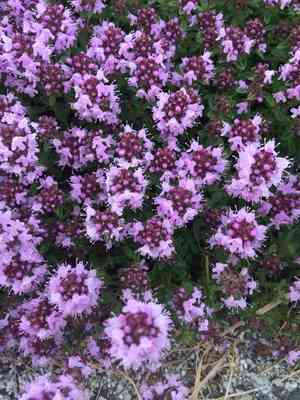
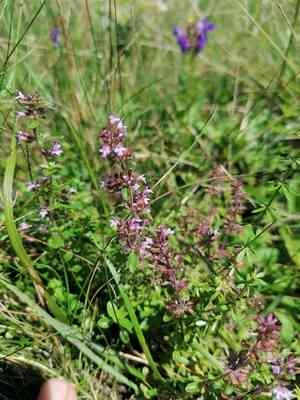
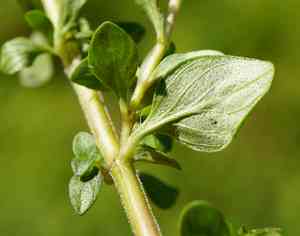
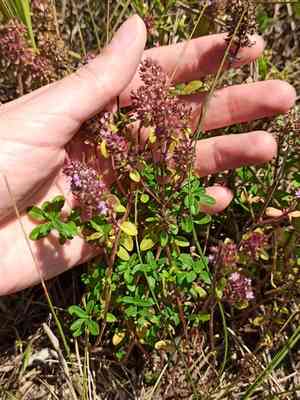
Quickly Identify Lemon thyme
1
Tiny tubular rose-purple flowers, measuring 0.25 inches (0.6 cm) in size.
2
Opposite, dark green leaves with reddish spots, 0.4-1 inch (1-2.5 cm) long.
3
Dwarf stature, reaching 4-6 inches (10-15 cm) tall and 6-8 inches (15-20 cm) wide.
4
Robust stems with reddish hue, 0.1-0.2 inches (3-5 mm) in diameter.
5
Dry schizocarp fruit splitting into 4 one-seeded mericarps, each 0.1 inches (2-3 mm) wide.
Scientific Classification of Lemon thyme
Phylum
Vascular plants
Class
Dicotyledons
Order
Lamiales
Family
Mint
Genus
Thymes
Species
Lemon thyme
Planting and Growing of Lemon thyme
Care Difficulty
Easy
Watering Schedule
Every 3 days
Sunlight Requirements
Full sun
Sunshine Duration
6-10 hours
Ideal Temperature
60-75℉
Soil Type
Potting Mix, Peat Mix
Soil pH
6.5-7.5
Fertilizer Type
Balanced
Pruning Season
Spring, Summer
Pruning Area
Branches, Leaves
Pruning Frequency
2 times a year
Repotting Season
Spring
Pot Type
Plastic, Ceramic
 How to Water Lemon thyme?
When watering Thymus pulegioides, ensure the soil is moistened evenly but avoid waterlogging. Aim for approximately 150 ml per watering, allowing the water to saturate the soil without pooling. This plant prefers its roots to be moist but never soggy, adhering to the principle of 'soak and dry'.
What are the symptoms of an underwatered Lemon thyme?
›
What should I do if my Lemon thyme is not getting enough water?
›
What are the symptoms of an overwatered Lemon thyme?
›
How to save an overwatered Lemon thyme?
›
 What Are the Sunlight Requirements for Lemon thyme?
Partial to full sunlight is ideal for Thymus pulegioides, fostering growth and enhancing its aromatic oil production, which bolsters its culinary and medicinal use.
More About Sunlight Requirements Techniques→
What is the best daily light duration for Thymus pulegioides?
›
How can I achieve optimal lighting for my plant?
›
What benefits does ideal sunlight provide?
›
 What Is the Ideal Temperature Range for Lemon thyme?
The ideal temperature range for Thymus pulegioides growth is between 60°F to 75°F. These conditions help the plant maintain metabolic processes efficiently, ensuring optimal photosynthesis and growth. This temperature range supports healthy leaf and stem development while minimizing stress.
 What Soil is Best for Lemon thyme?
Thymus pulegioides thrives in well-draining soil as it helps prevent waterlogging and root rot. Ensuring good drainage allows the roots to breathe, promoting healthy growth and vibrant foliage. This plant prefers moderately dry conditions, where the soil is not too moist. This mimics its native habitat and encourages resilience, leading to stronger and more drought-tolerant plants. A soil that's rich in organic matter offers essential nutrients for the growth of Thymus pulegioides. This provides a steady supply of nutrients, enhancing flowering and overall vigor.
More About Soil→
 How to Fertilize Lemon thyme?
Thymus pulegioides, commonly known as broad-leaved thyme, requires a delicate balance in fertilization. Too much fertilizer can lead to excessive foliage growth at the expense of essential oils, which are key to its aroma and flavors. Therefore, when applying fertilizers, it's crucial to ensure that you're using a diluted concentration tailored for herbaceous plants. Liquid organic fertilizers, such as fish emulsion or seaweed extract, are gentle yet effective, providing the necessary nutrients without overwhelming the plant. A quarter-strength dose is often sufficient, preventing any chance of nutrient burn while promoting healthy growth.
More About Fertilizing Techniques→
 How to Prune Lemon thyme?
When your plant is young, start pruning to establish a shape. Trim the top third of the plant to encourage bushier side growth. Always cut just above a node to promote new shoots and ensure even growth. Throughout spring and summer, regularly prune back any leggy growth and remove spent flowers to boost re-blooming. Cut stems at various lengths to maintain a controlled, yet natural appearance, which adds both aesthetic appeal and health to your plant. In late summer or early autumn, it's beneficial to perform a more thorough prune. Remove up to a third of the plant's height to eliminate any damaged or woody stems, ensuring your plant enters dormancy in the best condition possible.
More About Pruning Techniques→
 How to Propagate Lemon thyme plant?
1
Gather seeds from mature Thymus pulegioides plants in late summer. Dry them thoroughly before storage. A fine, sandy substrate should be used to sow seeds, with just a light covering to allow germination, which needs light.
2
Select healthy, disease-free stems about 4 to 6 inches long. Remove the lower leaves, leaving a few at the top for photosynthesis. Dip in rooting hormone to enhance root development before planting in a moist, well-drained potting mix.
3
Perform division in spring. Carefully dig up the entire plant and separate it into smaller sections with roots intact. Plant the divisions in a prepared area with similar growing conditions to encourage establishment.
 How to Repot Lemon thyme plant?
1
Repot Thymus pulegioides when you notice roots circling the surface of the soil or emerging from drainage holes. Furthermore, if the plant experiences stunted growth or the soil dries out too quickly, these can be indications that it's time to give your thyme a new home. Repotting in spring or summer allows the herb to recover and establish well before the growing season ends.
2
Select a pot slightly larger than the current one, but not too large, to prevent overwatering issues. A pot with ample drainage holes is essential to avoid waterlogged conditions, which thyme despises. Ceramic or terracotta pots are excellent choices as they help in moisture regulation, ensuring the soil remains well-aerated and dry, much to the plant's liking.
3
Opt for a gritty, well-draining mix that mirrors its native habitat. A sandy loam mixture enriched with a little organic matter provides the necessary nutrition while ensuring excess water drains away efficiently. This type of soil mitigates the risk of root rot and allows the thyme to thrive in a more natural, breathable medium.



