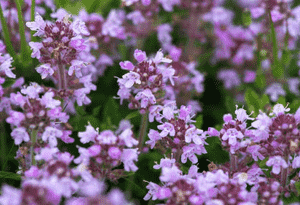
Creeping thyme (Thymus serpyllum)
Also known as: Wild thyme, Elfin thyme
Creeping thyme, a perennial herb, originates from Northern Europe, Western Asia, and North Africa. It is well-loved for its attractive pink to purple flowers and aromatic blue-green foliage, making it a popular choice for ornamental gardens. Historically, Thymus serpyllum symbolized courage and strength during the Middle Ages. Additionally, its pleasant scent makes it valuable in perfume production.
In This Article
Attributes of Creeping thyme
Lifespan
Perennial
Plant Type
Herb, Shrub
Plant Height
2 cm to 10 cm
Spread
25 cm to 30 cm
Leaf Color
Green
Flower Size
2.5 cm
Flower Color
Purple Pink White
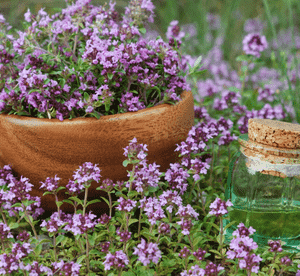
Images of Creeping thyme
Quickly Identify Creeping thyme
1
Tiny, elliptical leaves with pubescent surface, emitting mint-like fragrance, measure 1/4 inch (6 mm) long.
2
Petite evergreen with creeping habit, standing 2-3 inches (5-7.5 cm) tall, spreading 3-12 inches (7.5-30 cm) wide.
3
Distinctive tubular, bell-shaped flowers in deep pink to purple hues, 1/8 inch (3 mm) long, emitting subtle fragrance.
4
Schizocarp fruit divides into four locules with seeds, facilitating dispersal, maturing into four one-seeded sections.
5
Thin, slightly woody prostrate stems, up to 3 inches (7.6 cm) long, covered in small leaves, aiding horizontal growth.
Scientific Classification of Creeping thyme
Phylum
Vascular plants
Class
Dicotyledons
Order
Lamiales
Family
Mint
Genus
Thymes
Species
Creeping thyme
Planting and Growing of Creeping thyme
Care Difficulty
Easy
Watering Schedule
Every 2 days
Sunlight Requirements
Full sun
Sunshine Duration
6-10 hours
Ideal Temperature
60-75℉
Soil Type
Potting Mix, Peat Mix
Soil pH
6-8
Fertilizer Type
Balanced
Pruning Season
Spring, Summer
Pruning Area
Branches, Leaves
Pruning Frequency
2 times a year
Repotting Season
Spring
Pot Type
Plastic, Ceramic
 How to Water Creeping thyme?
Thymus serpyllum, commonly known as wild thyme, thrives with moderate watering. The soil should be allowed to dry out between waterings. Water the plant thoroughly so that the soil is evenly moist, but never waterlogged.
More About Watering Techniques→
What are the symptoms of an underwatered Creeping thyme?
›
What should I do if my Creeping thyme is not getting enough water?
›
What are the symptoms of an overwatered Creeping thyme?
›
How to save an overwatered Creeping thyme?
›
 What Are the Sunlight Requirements for Creeping thyme?
Thymus serpyllum flourishes in full sunlight, with at least 6 to 8 hours of direct exposure needed daily. This light range enhances vigor and maximizes flower and oil production, benefiting the plant's health and aesthetics.
More About Sunlight Requirements Techniques→
What is the perfect sunlight amount?
›
How to ensure it gets enough sunlight?
›
Benefits of ideal sunlight exposure?
›
 What Is the Ideal Temperature Range for Creeping thyme?
Thymus serpyllum thrives best in an environment where the temperature ranges from 60°F to 75°F. This moderate range ensures optimal growth and health for the plant, promoting its aromatic qualities and flowering potential.
 What Soil is Best for Creeping thyme?
Thymus serpyllum thrives best in well-drained soil. This ensures that water doesn't accumulate around the roots, which helps prevent root rot and promotes healthy growth, enhancing its aromatic properties and making it ideal for culinary use. While Thymus serpyllum isn't overly demanding, it appreciates soil that contains a good balance of organic matter. This boosts its growth and yields a more vibrant plant with a richer flavor and aroma, perfect for garden aesthetics and culinary pleasures. The plant prefers soil that can retain enough moisture to sustain it without becoming soggy. This balance helps the plant maintain its vigor through dry spells, ensuring consistent development and resilience against environmental stress.
More About Soil→
 How to Fertilize Creeping thyme?
When fertilizing Thymus serpyllum, it's important to apply only a light dose. Use approximately 1/4 teaspoon of water-soluble fertilizer diluted in a gallon of water per plant. Over-fertilization can damage roots and impair growth.
More About Fertilizing Techniques→
 How to Prune Creeping thyme?
To prune Thymus serpyllum, start by removing any dead or diseased stems with sharp, clean scissors. Then, trim back the tips of the healthy shoots above a set of leaves. This encourages branching and results in a denser plant. Be sure not to cut into the woody parts of the plant, as they do not regrow easily. If you want to shape your Thymus serpyllum, focus on trimming the edges to maintain its desired form. Gently round the top of the plant to create a soft, mounded appearance, which is visually appealing and helps improve air circulation within the plant. For an overgrown Thymus serpyllum, more aggressive pruning may be necessary. You can cut back up to a third of the plant to reinvigorate it, allowing for new growth during the optimal growing seasons. Always ensure not to reduce it to bare wood.
More About Pruning Techniques→
 How to Propagate Creeping thyme plant?
1
Start by collecting seeds from mature Thymus serpyllum plants. Clean the seeds to remove any debris or plant material, then soak them overnight in water to improve germination rates before planting in trays.
2
Select healthy branches from an existing plant and use a sharp knife to cut 4-6 inch sections just below a leaf node. Remove lower leaves, dip the cut end in rooting hormone, and plant in a well-draining medium.
3
Choose a low-growing branch from the mother plant, score the bark to encourage rooting, and pin it down into the soil. Keep the area moist and check periodically for root development before severing the new plant from the parent.
 How to Repot Creeping thyme plant?
1
Thymus serpyllum should be repotted when you notice the roots growing out of the drainage holes or the plant becoming root-bound, indicating it has outgrown its current pot. Ideal times to repot are during the growing seasons of spring or summer, when the plant can quickly adapt to its new environment.
2
Choose a pot that is just slightly larger than the current one, with excellent drainage. A terracotta pot is a great option, as it allows the soil to dry out more effectively, which is crucial for preventing root rot in Thymus serpyllum. The size ensures that the plant has enough room to grow without excessive space contributing to moisture retention.
3
Opt for a well-draining soil mix, ideally a cactus or succulent mix, which Thymus serpyllum prefers due to its drought-tolerant nature. This type of soil ensures that water does not accumulate around the roots, preventing potential root rot and promoting healthy growth in this aromatic plant.
Toxicity
None
WARNING
The judgment on toxicity and danger is for reference only. We DO NOT GUARANTEE any accuracy of such judgment. Therefore, you SHALL NOT rely on such judgment. It is IMPORTANT TO SEEK PROFESSIONAL ADVICE in advance when necessary.



