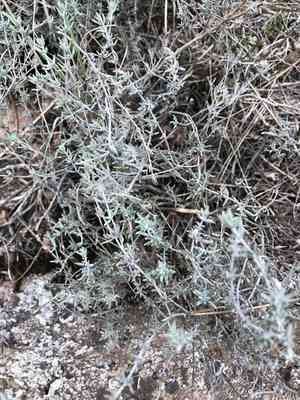
Garden thyme (Thymus vulgaris)
Also known as: French thyme, German thyme
Thyme, commonly used in cooking and often brewed in teas, has a rich history beyond the kitchen. In ancient times, it played a role in embalming rituals and was burned as incense. During the Middle Ages, thyme was given to warriors, believed to boost their courage and vitality.
In This Article
Plant Comprehensive Care Guide: Beginner's Introduction and Key Details
Perfect for beginners starting their plant care journey
→
10 Secrets to Making Garden thyme Grow Faster (A Must-Read for Beginners)
Advanced tips to accelerate your plant's growth
→
Care "Black Tech": 10 Little-Known Highly Effective Maintenance Tips
Expert-level techniques for optimal plant care
→
Attributes of Garden thyme
Lifespan
Perennial
Plant Type
Herb, Shrub
Plant Height
15 cm to 30 cm
Spread
40 cm
Leaf Color
Green Gray Silver
Flower Size
2.5 cm
Flower Color
White Pink Purple Violet Lavender
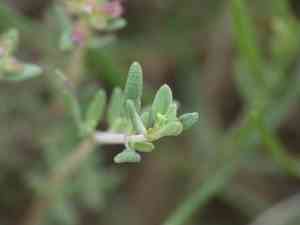
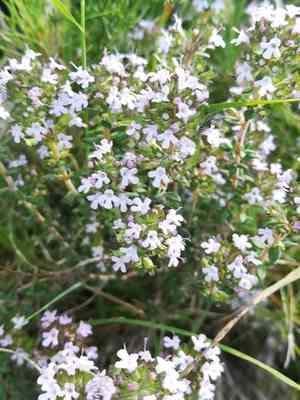
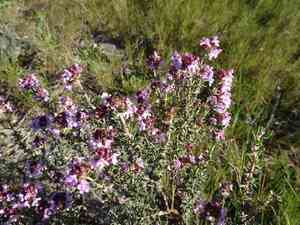
Images of Garden thyme
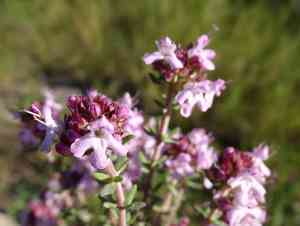
Quickly Identify Garden thyme
1
Linear leaves, fragrant, ½-¾ inch (12-19 mm) long, covered in fine hairs.
2
Small whorled flowers, tubular, 4-5 mm long, white to pinkish-lavender, attractive to bees.
3
Schizocarp fruit divides into four one-seeded nutlets, round, 0.04 inches (1 mm) diameter, rich brown.
4
Dark grayish-green aromatic leaves, linear to ovate, 0.25-0.5 inches long, tomentose surface.
5
Semi-woody stems, slender, upright or angled, fine hairs, branching, 0.08-0.12 inches thick.
Scientific Classification of Garden thyme
Phylum
Vascular plants
Class
Dicotyledons
Order
Lamiales
Family
Mint
Genus
Thymes
Species
Garden thyme
Planting and Growing of Garden thyme
Care Difficulty
Easy
Watering Schedule
Every 4 days
Sunlight Requirements
Full sun
Sunshine Duration
4-8 hours
Ideal Temperature
60-75℉
Soil Type
Potting Mix, Peat Mix
Soil pH
6.5-7.5
Fertilizer Type
Balanced
Pruning Season
Spring, Summer
Pruning Area
Branches, Leaves
Pruning Frequency
2 times a year
Repotting Season
Spring
Pot Type
Terracotta, Plastic
 How to Water Garden thyme?
For Thymus vulgaris, a good watering principle is to ensure the soil is moist but not soggy. Water the plant thoroughly until you can see some water escaping through the drainage holes of the pot, typically around 200 ml should suffice.
More About Watering Techniques→
What are the symptoms of an underwatered Garden thyme?
›
What should I do if my Garden thyme is not getting enough water?
›
What are the symptoms of an overwatered Garden thyme?
›
How to save an overwatered Garden thyme?
›
 What Are the Sunlight Requirements for Garden thyme?
Thymus vulgaris prospers under full sun conditions, receiving at least six to eight hours of sunlight per day. Ideal lighting maximizes photosynthetic activity and enhances the plant's aromatic qualities.
More About Sunlight Requirements Techniques→
How much sunlight is needed for Thymus vulgaris?
›
What are the best locations for planting Thymus vulgaris?
›
How can I improve the light conditions for Thymus vulgaris indoors?
›
 What Is the Ideal Temperature Range for Garden thyme?
For optimal growth, Thymus vulgaris, commonly known as thyme, thrives in warm climates with an ideal temperature range of 60 to 75 degrees Fahrenheit. These temperatures provide the necessary warmth for photosynthesis and overall plant health.
 What Soil is Best for Garden thyme?
Thymus vulgaris thrives best in well-drained soil. This requirement ensures that the roots do not sit in water, which can cause root rot and eventually kill the plant. Providing well-drained soil helps maintain the plant's health and prevents overwatering issues, allowing thyme to flourish with its aromatic leaves. To promote robust growth, Thymus vulgaris benefits from a soil enriched with organic matter or compost. A nutrient-rich substrate provides essential nutrients that enhance the herb's vigor and encourage a lush foliage. This makes your thyme not only more attractive but also more flavorful. While thyme appreciates a nutrient-rich environment, it's important that the soil is not too fertile, as excessive nutrients can lead to leggy growth. Moderately fertile soil helps the plant maintain its compact form and encourages the concentration of oils in the leaves, increasing their aromatic quality.
More About Soil→
 How to Fertilize Garden thyme?
For Thymus vulgaris, apply a balanced liquid fertilizer at half the recommended strength. This herb thrives in more modest nutritional conditions, so over-fertilization can be detrimental. Use approximately 1 tablespoon of liquid fertilizer per gallon of water.
More About Fertilizing Techniques→
 How to Prune Garden thyme?
To prune thyme, use sharp, clean pruning shears or scissors. This ensures clean cuts that heal well, reducing the likelihood of disease. Always disinfect your tools before and after pruning to maintain plant health and prevent any disease transmission between plants. When pruning thyme, make cuts just above a leaf node or pair of leaves. This stimulates new growth and ensures that the plant grows back healthily. Avoid cutting into the woody part of the stem, as this can lead to damage and slow recovery. After pruning, water your plant well to help it recover from the stress. Ensure it has plenty of sunlight and monitor it for any signs of stress or disease. Offering a boost with a mild fertilizer can also help support new growth.
More About Pruning Techniques→
 How to Propagate Garden thyme plant?
1
Sow seeds in a seed tray filled with a well-draining potting mix. Lightly cover them with soil and keep the soil moist but not waterlogged. Seeds typically take 14 to 28 days to germinate.
2
Select healthy, non-flowering stems about 3 inches long. Cut just below a node and remove leaves from the lower half. Insert cuttings into moist, well-draining soil and place in a warm spot.
3
In spring or early summer, carefully dig up the entire plant. Gently separate the plant into smaller clumps, ensuring each has roots attached. Replant the divisions immediately in well-prepared soil.
 How to Repot Garden thyme plant?
1
Repot Thymus vulgaris when you notice it has overgrown its pot. Look for signs like roots poking through drainage holes or stunted growth. These are clear indicators that the plant requires more space to thrive, making it an ideal time to move to a larger pot.
2
Choose a pot that is 1-2 inches larger in diameter than the current one, with ample drainage holes to prevent root rot. A clay or terracotta pot works well as it aids in moisture regulation and air circulation, essential for the plant's health.
3
Opt for a commercial potting mix suited for herbs or prepare your own with sand, loam, and compost. Proper soil prevents water-logging, provides nutrients, and supports the plant's delicate root system, ensuring robust growth.



