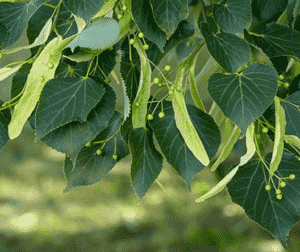
American basswood(Tilia americana)

American basswood (Tilia americana)

Also known as: American lime

American basswood (Tilia americana) and European linden (Tilia cordata) can be distinguished by their bark characteristics.

- **American Basswood (Tilia americana)**: The bark starts off smooth and gray in younger trees, developing into a more furrowed and ridged texture as the tree ages. The mature bark typically features narrow, flat-topped ridges and deep furrows.

- **European Linden (Tilia cordata)**: While young trees also have smooth, grayish bark, older trees develop a finely fissured pattern that may appear somewhat scaly. A key distinguishing feature is an orange hue that can often be seen in the valleys of the bark.

In essence, look for a more deeply furrowed and ridged bark in American basswood, whereas European linden may show a finer, scaly texture with an orange tint in the bark valleys.

Attributes of American basswood

Lifespan
Perennial
Plant Type
Tree
Plant Height
18 m to 37 m
Spread
9 m to 15 m
Leaf Color
Green
Flower Size
1 cm to 1.4 cm
Flower Color
Yellow

PlantJoy - Identify plants with a snap

Identify and diagnose plants, get toxicity alerts, and explore safety guides for all types of fungi.

Try for Free

Images of American basswood

American basswood(Tilia americana)

Quickly Identify American basswood

1
Deciduous tree reaching 60-80 feet (18-24 meters) with large, glossy dark green leaves.
2
Aromatic yellow flowers in 5-inch (12.7 cm) drooping clusters from May to July.
3
Diminutive, downy cream-colored nutlet approximately 0.25 inches (6 mm) in diameter.
4
Light green twigs with tomentose hairs and plump false terminal buds.
5
Bark transitions from smooth gray to deeply furrowed with longitudinal ridges over time.

Scientific Classification of American basswood

Phylum
Vascular plants
Class
Dicotyledons
Order
Malvales
Family
Mallow
Genus
Lindens
Species
American basswood

Planting and Growing of American basswood

Care Difficulty
Easy
Watering Schedule
Every 2 days
Sunlight Requirements
Full sun
Sunshine Duration
6-10 hours
Ideal Temperature
60-75℉
Soil Type
Potting Mix, Peat Mix
Soil pH
6.5-7.5
Fertilizer Type
Balanced
Pruning Season
Spring, Summer
Pruning Area
Branches, Leaves
Pruning Frequency
2 times a year
Repotting Season
Spring
Pot Type
Plastic, Ceramic

water icon How to Water American basswood?

Tilia americana, commonly known as the American basswood, enjoys consistent moisture but dislikes soggy soil. Aim to water until the top 2 inches of soil are moist, which may require approximately 500 ml depending on the soil type and environmental conditions. Make sure the water penetrates deeply to encourage root growth, but do not over-water as they dislike sitting in soggy soils.
What are the symptoms of an underwatered American basswood?
What should I do if my American basswood is not getting enough water?
What are the symptoms of an overwatered American basswood?
How to save an overwatered American basswood?

sunlight icon What Are the Sunlight Requirements for American basswood?

Sunlight Requirements: Full sun, Partial sun
Duration of light: 6-8 hours daily
Tilia americana prefers full sun conditions for robust growth. Adequate sunlight fosters strong foliage development and optimal physiological processes, contributing to its structural integrity and aesthetic appeal.
Optimal Sunlight Requirements
Proper Sun Exposure Solutions
Benefits of Ideal Sunlight

temperature icon What Is the Ideal Temperature Range for American basswood?

Ideal Temperature: 60 ~ 75℉
The ideal temperature range for Tilia americana is between 60°F and 75°F. This range ensures optimal growth and development, providing a stable environment that closely mimics its native habitat.

soil icon What Soil is Best for American basswood?

Soil type: Loam, Sandy loam
Soil PH: 6.5 ~ 7.5
Tilia americana thrives in well-drained soils, which prevent waterlogging and root rot. This soil condition ensures the roots have adequate oxygen, promoting healthy growth and strong anchoring of the tree. The tree benefits from soils that retain sufficient moisture, providing a steady water supply during dry spells. This feature ensures the tree maintains its verdant foliage and vigorous growth throughout the growing season. Nutrient-rich soils support the metabolic needs of Tilia americana by providing essential minerals and organic matter. This leads to lush foliage, robust flowering, and overall better health of the tree.

fertilize icon How to Fertilize American basswood?

Fertilizer type: Balanced
Tilia americana requires a moderate amount of fertilizer. When using a balanced liquid fertilizer, dilute it to half the recommended strength to avoid over-fertilization. Apply evenly across the root zone to ensure the nutrients are accessible to the entire plant. For slow-release fertilizers, follow the manufacturer's recommended application rate, usually around 1 to 2 pounds per 100 square feet.

prune icon How to Prune American basswood?

Pruning Time: Spring, Summer, Autumn
It's best to prune on a dry day to prevent the spread of diseases. Wet weather can facilitate the movement of pathogens, making freshly cut surfaces more susceptible to infections, especially with trees like Tilia americana. Be mindful of the tree's natural shape and avoid excessive pruning that may alter its form. Tilia americana has a naturally pleasing structure, so maintaining its natural form not only enhances its aesthetic appeal but also keeps the tree structurally sound. After pruning, keep an eye on the tree for signs of pests or diseases, as these can take advantage of newly cut surfaces. Practicing this vigilance helps in ensuring that your Tilia americana remains robust and thrives throughout the year.

propagate icon How to Propagate American basswood plant?

Propagate Time: Spring,Early spring,Late spring
1
Collect seeds from mature Tilia americana plants in late autumn, when the seed pods are fully developed. Store them in a cool, dry place during the winter months to ensure they remain viable for spring planting.
2
Take cuttings from healthy, mature branches of the Tilia americana during early spring. Choose sections of the stem that are free from disease and pests, and make cuts just below a node for optimal rooting.
3
Layering involves bending a low branch to the ground and lightly covering a section with soil. This method allows roots to form while the branch is still attached to the parent plant, making it ideal for propagating Tilia americana.

repot icon How to Repot American basswood plant?

Repotting frequency: Every 2-3 years
1
The Tilia americana needs repotting when you notice roots emerging from the pot's drainage holes, signaling a cramped environment. Additionally, sluggish growth and compacted soil are indicators that suggest it's time to move the plant to a more spacious home.
2
Opt for a pot that's about 2 inches larger in diameter than the current pot. This provides ample space for root expansion, helping promote healthy growth without overwhelming the tree. Ensure the pot has drainage holes to prevent waterlogging, which can rot the roots.
3
Choose a loamy, well-drained soil mix to ensure the American Linden has optimal conditions to thrive. This type of soil will retain moisture without becoming waterlogged, providing the perfect balance to support nutrient absorption and healthy root development.

PlantJoy - Identify plants with a snap

Find the best spots for them to optimize their health, simply using your phone.

Try for Free

