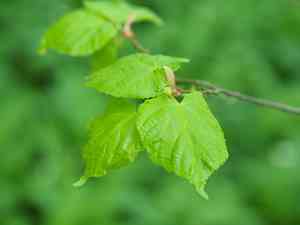
Large-leaved lime (Tilia platyphyllos)
Also known as: Largeleaf linden, Female lime
The large-leaved lime, scientifically known as Tilia platyphyllos, is a European native plant species. Interestingly, it thrives in lime-rich soils. This tree, often found in parks and lining city streets, is valued for its resilience and ornamental appeal. Its broad leaves are referenced in its Latin name. Beyond its aesthetic use, the wood of Tilia platyphyllos is prized for carving. Fossils of this ancient species have been discovered in Turkey, dating back to the Pliocene epoch.
In This Article
Attributes of Large-leaved lime
Lifespan
Perennial
Plant Type
Tree
Plant Height
18 m to 24 m
Spread
9 m to 15 m
Leaf Color
Green Yellow
Flower Size
7 cm to 11 cm
Flower Color
Yellow White Green
Images of Large-leaved lime
Quickly Identify Large-leaved lime
1
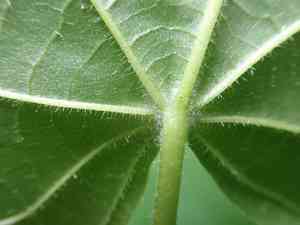
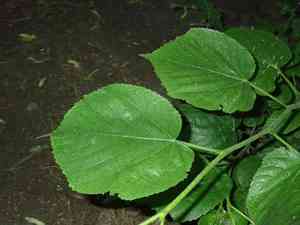
Heart-shaped leaves with tufts of white hairs along veins, measuring 5 inches (13 cm) long.
2
Creamy-yellow flowers in drooping cymes, rich in nectar, fragrant, and showy, blooming in June.
3
Distinctly shaped, small gray nutlets with ribbed texture, housing one to three viable seeds.
4
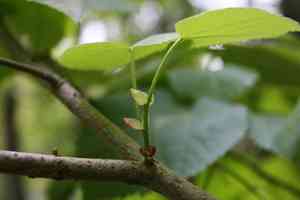
Reddish-brown stem with pointed buds, branches in a robust and branching pattern.
5
Smooth, gray bark in youth, with transition to rugged texture and deep fissures with age.
Scientific Classification of Large-leaved lime
Phylum
Vascular plants
Class
Dicotyledons
Order
Mallows, rock-roses, and allies
Family
Mallow
Genus
Lindens
Species
Large-leaved lime
Planting and Growing of Large-leaved lime
Care Difficulty
Easy
Watering Schedule
Every 2 days
Sunlight Requirements
Full sun
Sunshine Duration
4-8 hours
Ideal Temperature
60-75℉
Soil Type
Potting Mix, Peat Mix
Soil pH
6.5-7.5
Fertilizer Type
Balanced
Pruning Season
Spring, Summer
Pruning Area
Branches, Leaves
Pruning Frequency
2 times a year
Repotting Season
Spring
Pot Type
Plastic, Ceramic
 How to Water Large-leaved lime?
Tilia platyphyllos, commonly known as Large-leaved Lime, requires moderate watering to maintain its vigor. The general rule is to ensure the soil is kept moist but not waterlogged. A watering amount of roughly 2000 milliliters suffices per session to reach the roots without drowning them.
More About Watering Techniques→
What are the symptoms of an underwatered Large-leaved lime?
›
What should I do if my Large-leaved lime is not getting enough water?
›
What are the symptoms of an overwatered Large-leaved lime?
›
How to save an overwatered Large-leaved lime?
›
 What Are the Sunlight Requirements for Large-leaved lime?
Ideally, Tilia platyphyllos should receive full to partial sunlight conditions, allowing it to harness the energy necessary for optimal photosynthesis, ensuring noticeable growth and improved resistance to environmental stresses.
More About Sunlight Requirements Techniques→
What is the best location for Tilia platyphyllos?
›
How can I ensure Tilia platyphyllos receives enough light?
›
What benefits does sufficient light provide Tilia platyphyllos?
›
 What Is the Ideal Temperature Range for Large-leaved lime?
Tilia platyphyllos, commonly known as the large-leaved lime, thrives in moderate climates where temperatures are neither too hot nor too cold. The ideal temperature range is between 60°F to 75°F. This range supports optimal growth and health, allowing the tree to efficiently undergo photosynthesis, maintain its metabolic processes, and resist common pests and diseases.
 What Soil is Best for Large-leaved lime?
Tilia platyphyllos thrives best in nutrient-rich soil. This type of soil supports vigorous growth and provides necessary minerals and nutrients that facilitate healthy root development. It prefers soil that can retain moisture well without becoming waterlogged. This ensures the plant remains hydrated during dry spells, promoting lush foliage and robust health. While the soil needs to retain moisture, it must also have good drainage to prevent water stagnation when rain is excessive. This balance helps prevent root rot and supports longevity.
More About Soil→
 How to Fertilize Large-leaved lime?
For Tilia platyphyllos, it's essential to maintain a balanced fertilization regimen. Typically, liquid fertilizers should be applied at a rate of 10-20 ml per liter of water. Slow-release fertilizers should be applied at a rate of around 50-100 grams per tree annually during the growing season.
More About Fertilizing Techniques→
 How to Prune Large-leaved lime?
Perform pruning in early spring when the tree is still dormant, as this will minimize sap bleeding and allow the tree to heal more effectively before entering the growing season. Understand and respect the natural shape of Tilia platyphyllos to encourage attractive and balanced growth patterns. Removing more than one-third of the tree's canopy can disrupt its natural form. Make sure cuts are at the branch collar at the base of each branch. This will encourage proper healing and prevent the entry of pathogens that could harm the tree.
More About Pruning Techniques→
 How to Propagate Large-leaved lime plant?
1
Collect seeds from mature Tilia platyphyllos in the autumn. Clean the seeds thoroughly and remove any pulp. Soak them in water for 24 hours to improve germination chances.
2
Sow the prepared seeds in seed trays filled with a well-draining soil mix. Cover them lightly with soil and water gently. Maintain a temperature of around 20°C to facilitate germination.
3
Take semi-hardwood cuttings during early spring. Each cutting should be approximately 15 cm long with a few leaves. Remove the lower leaves and dip the cut end into rooting hormone powder.
 How to Repot Large-leaved lime plant?
1
The perfect moment to repot Tilia platyphyllos is when you notice roots emerging from the drainage holes or when the plant becomes pot-bound, which hampers its growth. Spring is ideal, as the plant is entering its growth phase. Observing these signs ensures the plant thrives post-repotting.
2
Choose a pot that is 2-3 inches larger in diameter than the current one. Ensure it has sufficient drainage holes. This size increment provides ample room for the roots to grow without overwhelming the plant, and efficient drainage is crucial to prevent root rot and maintain moisture balance.
3
Opt for a loamy, well-drained soil mix suited for young trees. A good soil mix supports root health, provides sufficient nutrients, and allows proper aeration. Such soil mixes often contain a balance of sand, silt, and clay, offering the required structure and nutrient retention for optimal tree growth.



