
Silver linden (Tilia tomentosa)
Also known as: European white linden, European white lime
The silver linden, a large deciduous tree known for its shimmering leaves and nectar-rich, creamy white flowers, attracts both bees and butterflies. In Romania, a bronze bust honors the poet Mihai Eminescu, who frequently spent time beneath this tree with his beloved, Veronica Micle.
In This Article
Attributes of Silver linden
Lifespan
Perennial
Plant Type
Tree
Plant Height
12 m to 21 m
Spread
8 m to 14 m
Leaf Color
Green Yellow Silver Gray
Flower Size
2.5 cm
Flower Color
Yellow White Cream
Images of Silver linden
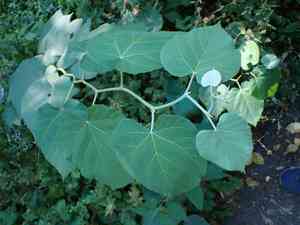
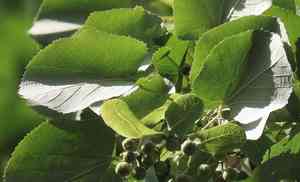
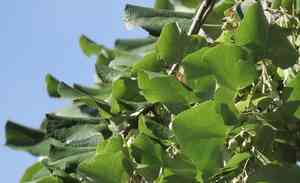
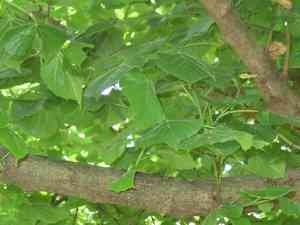
Quickly Identify Silver linden
1
Heart-shaped leaves with silvery-white undersides, up to 4 inches (10 cm) long.
2
Clusters of 7-10 creamy-white flowers with delicate petals, blooming late June to July.
3
Oval-shaped nutlets, less than 0.5 inches (1.27 cm) in diameter, ensconced in downy bracts.
4
Two-tone stem coloration, transitioning from gray and hairy to brown and green with age.
5
Visually striking trunk with smooth silvery-gray bark in youth, developing pronounced ridges over time.
Scientific Classification of Silver linden
Phylum
Vascular plants
Class
Dicotyledons
Order
Malvales
Family
Mallow
Genus
Lindens
Species
Silver linden
Planting and Growing of Silver linden
Care Difficulty
Easy
Watering Schedule
Every 2 days
Sunlight Requirements
Full sun
Sunshine Duration
4-6 hours
Ideal Temperature
60-75℉
Soil Type
Potting Mix, Peat Mix
Soil pH
6.5-7.5
Fertilizer Type
Balanced
Pruning Season
Spring, Summer
Pruning Area
Branches, Leaves
Pruning Frequency
2 times a year
Repotting Season
Spring
Pot Type
Plastic, Ceramic
 How to Water Silver linden?
When watering Tilia tomentosa, aim for a thorough soak—allow the water to penetrate deeply into the soil. A good guideline is to provide around 1000 ml of water per watering session. This ensures the roots receive adequate moisture without excessive waterlogging. It's essential to allow the top few inches of soil to dry out between waterings to maintain a healthy balance.
What are the symptoms of an underwatered Silver linden?
›
What should I do if my Silver linden is not getting enough water?
›
What are the symptoms of an overwatered Silver linden?
›
How to save an overwatered Silver linden?
›
 What Are the Sunlight Requirements for Silver linden?
Tilia tomentosa flourishes in full sun to partial sun conditions, receiving ample light. Ideal light exposure encourages vigorous growth, fuller foliage, and enhances the tree's natural resistance to pests and diseases.
More About Sunlight Requirements Techniques→
Optimal Location
›
Protect from Extreme Shade
›
Monitor Seasonal Changes
›
 What Is the Ideal Temperature Range for Silver linden?
The ideal temperature range for Tilia tomentosa is crucial as it ensures optimal growth and health of the plant. Between 60°F and 75°F, the plant can maintain consistent metabolic activities, photosynthesis, and transpiration rates.
 What Soil is Best for Silver linden?
Tilia tomentosa thrives in well-draining soil, which prevents root rot by allowing excess water to escape swiftly. This ensures strong root development and healthier growth overall. The soil should have a moist consistency to retain adequate water for the plant's needs. This type of soil helps to keep the tree hydrated, especially during dry spells, without waterlogging its roots. A nutrient-rich soil with plenty of organic matter supports the plant's growth. This boosts the tree's foliage density and enhances its overall health and resistance to pests.
 How to Fertilize Silver linden?
For Tilia tomentosa, apply approximately 200 grams of plant-specific fertilizer per application. Ensure you adjust the quantity based on the soil's nutrient levels to avoid overnutrition.
 How to Prune Silver linden?
Pruning Tilia tomentosa involves removing any dead, damaged, or diseased branches using sharp, sterilized pruning shears. Start by trimming back branches that cross or rub against each other to prevent future damage. When cutting, make sure to do so at a slight angle to encourage healing. Aim to maintain the tree’s natural shape and remove any sucker growth that appears at the base or along the trunk. For young Tilia tomentosa, formative pruning is crucial to develop a strong framework for future growth. In early spring or late winter, focus on establishing a clear leader with well-spaced side branches. Remove any competing leaders and prune to maintain a balanced structure, which will help avoid issues as the tree matures.
More About Pruning Techniques→
 How to Propagate Silver linden plant?
1
Collect ripe seeds from Tilia tomentosa in the autumn and store them in a cool, dry place until spring. Soak the seeds in water for 24 hours before sowing to encourage germination.
2
In late spring or early summer, take semi-hardwood cuttings from healthy branches. Ensure that each cutting is about 6 inches long and remove the leaves from the lower half.
3
Select a low branch and bend it to the ground. Cover part of the branch with soil while leaving the tip exposed. Secure it with a U-shaped pin and water regularly to encourage rooting.
 How to Repot Silver linden plant?
1
Monitor your Tilia tomentosa for signs it needs repotting, such as roots growing through drainage holes or soil drying out rapidly. The best time to do this is during its active growth phase in spring or autumn when the plant can quickly recover and establish itself.
2
Select a pot that is 2-4 inches larger in diameter than the current one to accommodate growth. Ensure the pot has drainage holes; this prevents waterlogging and root rot, promoting a healthy root environment and robust growth.
3
Opt for a well-drained loamy soil with good nutrient content. This type of soil provides adequate drainage while retaining essential nutrients and moisture, supporting the healthy development of Tilia tomentosa's root system.



