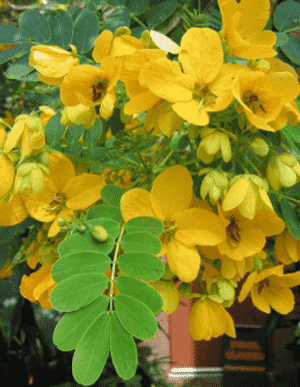
Tipu tree (Tipuana tipu)
Also known as: Pride of bolivia, Palo rosa
The Tipu tree (Tipuana tipu), originally from South America, is known for its impressive height of up to 30 meters and expansive canopy that can spread over 15 meters in diameter, making it a popular choice for shade. However, its invasive nature in regions like South Africa and Australia is attributed to its aggressive root systems and prolific seeding. These characteristics enable the tree to spread rapidly, often at the expense of native plant species and local ecosystems.
In This Article
Attributes of Tipu tree
Lifespan
Perennial
Plant Type
Tree
Plant Height
30 m
Spread
20 m
Leaf Color
Green Gray
Flower Size
5 cm to 8 cm
Flower Color
Yellow Gold
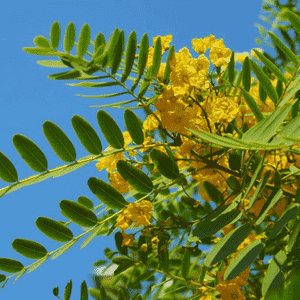
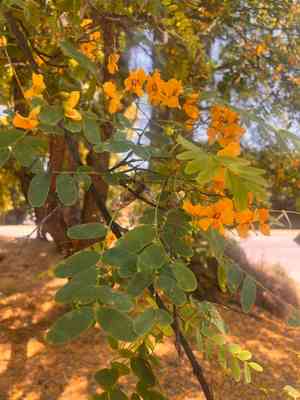
Images of Tipu tree


Quickly Identify Tipu tree
1
Fissured bark and broad, flat crown exceeding 30 to 40 feet (9 to 12 meters) in height.
2
Compound pinnate leaves with numerous rounded, lime-green leaflets around 10 inches (25 cm) long.
3
Profusion of golden yellow flowers during late spring to early summer.
4
Distinct, single-seeded winged samaras resembling maple tree fruit.
5
Prefers full sun and thrives with occasional deep watering.
Scientific Classification of Tipu tree
Phylum
Vascular plants
Class
Dicotyledons
Order
Fabales
Family
Legume
Genus
Tipuana
Species
Tipu tree
Planting and Growing of Tipu tree
Care Difficulty
Easy
Watering Schedule
Every 4 days
Sunlight Requirements
Full sun
Sunshine Duration
4-6 hours
Ideal Temperature
68-77℉
Soil Type
Potting Mix, Peat Mix
Soil pH
6.5-7.5
Fertilizer Type
Balanced
Pruning Season
Spring, Summer
Pruning Area
Branches, Leaves
Pruning Frequency
2 times a year
Repotting Season
Spring
Pot Type
Plastic, Ceramic
 How to Water Tipu tree?
For Tipuana tipu, the watering should be generous but not excessive. Aim for approximately 500 milliliters per session; watering should reach the roots thoroughly but avoid waterlogging. Ensure the soil is moist but never soggy, allowing it to dry slightly between sessions.
More About Watering Techniques→
What are the symptoms of an underwatered Tipu tree?
›
What should I do if my Tipu tree is not getting enough water?
›
What are the symptoms of an overwatered Tipu tree?
›
How to save an overwatered Tipu tree?
›
 What Are the Sunlight Requirements for Tipu tree?
Tipuana tipu thrives best in full sun. Optimal lighting ensures vigorous growth, a lush canopy, and abundant flowering. This exposure maximizes photosynthetic activity, essential for its health and visual appeal.
More About Sunlight Requirements Techniques→
What is the ideal lighting condition for Tipuana tipu?
›
What are the solutions to achieve ideal lighting for Tipuana tipu?
›
What benefits does Tipuana tipu gain from ideal lighting conditions?
›
 What Is the Ideal Temperature Range for Tipu tree?
Tipuana tipu thrives best in temperatures ranging from 68 to 77 °F. These conditions ensure that the plant's metabolic processes function optimally, promoting healthy growth and foliage development.
 What Soil is Best for Tipu tree?
Tipuana tipu thrives best in well-drained soil, which prevents waterlogging that could lead to root rot. Proper drainage keeps the soil aerated, allowing roots to breathe and improving nutrient uptake. Rich soils boost growth by providing essential nutrients that Tipuana tipu needs to develop a strong trunk and lush foliage. Enriching the soil with organic matter or compost enhances its fertility. While drainage is crucial, the soil should still retain enough moisture to keep the tree hydrated. This balance helps Tipuana tipu maintain growth during dry spells and ensures steady nutrient flow.
More About Soil→
 How to Fertilize Tipu tree?
For Tipuana tipu, it is crucial to balance fertilizer amounts to encourage healthy growth. Use approximately 1/2 pound (225 grams) of a complete balanced fertilizer like 10-10-10 per inch of trunk diameter. Gradually increase the amount as the tree matures, ensuring even distribution around the root zone.
More About Fertilizing Techniques→
 How to Prune Tipu tree?
Begin by removing any dead, damaged, or diseased branches. This helps prevent the spread of disease and supports the tree’s overall health. Shape the canopy to maintain its natural form. Focus on creating an open, balanced structure that allows light and air to penetrate through the branches. Thin out crowded or crossing branches to improve air circulation and light penetration. This promotes healthier growth and enhances the tree’s aesthetic appeal. Make cuts at a 45-degree angle, just above a bud or lateral branch. This encourages water to run off rather than settle, reducing the risk of disease.
More About Pruning Techniques→
 How to Propagate Tipu tree plant?
1
Collect seeds from mature Tipuana tipu pods when they turn brown and start to dry. This indicates that the seeds inside are fully developed and ready for propagation. Ensure the seeds are collected before pods completely open to avoid losing seeds.
2
Use a well-draining soil mixture, preferably composed of equal parts sand, peat, and perlite. This ensures adequate drainage and aeration, which are crucial for both seed and cutting propagation to prevent root rot and encourage healthy growth.
3
Select a healthy branch and cut a 6-inch segment using pruning shears. Remove the lower leaves and dip the cut end in rooting hormone. Plant the cutting in the prepared soil mixture and water it thoroughly, maintaining moist conditions.
 How to Repot Tipu tree plant?
1
Check for roots growing through drainage holes or when the growth appears stunted. These signals indicate the plant is root-bound and needs more space. Repotting is crucial to ensure optimal growth conditions and prevent nutrient deficiencies.
2
Select a pot that is at least 2-3 inches larger in diameter than the current one. A pot with adequate drainage holes is essential to prevent waterlogging and root rot. The right pot aids in air circulation, which is beneficial for root health and plant stability.
3
Opt for well-draining loamy soil which retains moisture without becoming waterlogged. This soil type supports root aeration and allows for proper nutrient uptake. Its balanced properties ensure a stable environment for healthy plant development.



