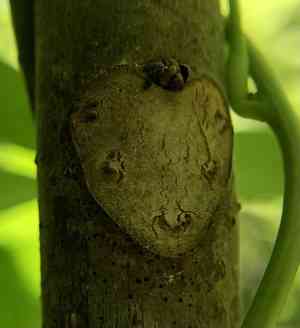
Chinese mahogany (Toona sinensis)
Also known as: Tun tree, Chinese toon
Chinese mahogany is native to East Asia and is predominantly found in the northern and western parts of China. The tree features gray to dark brown outer bark with natural cracks, while the inner bark is pink. As a deciduous tree, it sheds its leaves in the fall.
In This Article
Attributes of Chinese mahogany
Lifespan
Perennial
Plant Type
Tree
Plant Height
25 m
Spread
8 m
Leaf Color
Green Yellow
Flower Size
4 mm to 5 mm
Flower Color
White
Images of Chinese mahogany
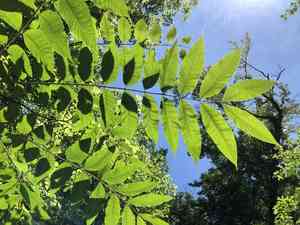
Quickly Identify Chinese mahogany
1
Tall deciduous tree, reaching 15-20 feet (4.5-6 meters) with vertical stems.
2
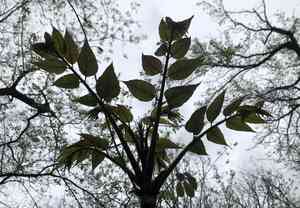
Eye-catching pink new growth shifting to green, long leaves spanning 1-2 feet (30-60 cm).
3
Delicate white to pale pink flowers in pendulous panicles, star-like structure.
4
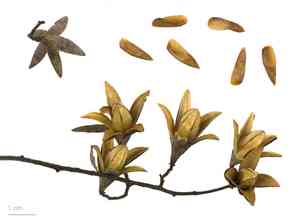
Distinctive star-shaped woody capsules, green to brown color transition, clusters.
5
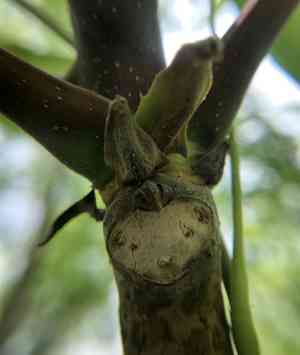
Bark transitions from smooth gray to dark brown to red, aromatic when cut.
Scientific Classification of Chinese mahogany
Phylum
Vascular plants
Class
Dicotyledons
Order
Maples, mangos, mahogany, citrus, and allies
Family
Mahogany
Genus
Toona
Species
Chinese mahogany
Planting and Growing of Chinese mahogany
Care Difficulty
Easy
Watering Schedule
Every 3 days
Sunlight Requirements
Partial sun
Sunshine Duration
6-10 hours
Ideal Temperature
59-77℉
Soil Type
Potting Mix, Peat Mix
Soil pH
6.5-7.5
Fertilizer Type
Balanced
Pruning Season
Spring, Summer
Pruning Area
Branches, Leaves
Pruning Frequency
2 times a year
Repotting Season
Spring
Pot Type
Plastic, Ceramic
 How to Water Chinese mahogany?
Toona sinensis, or Chinese mahogany, requires about 300 ml of water per session. The soil should be moistened thoroughly until water starts to drain from the bottom. Ensure even distribution to avoid dry pockets or soaking any particular area overly.
What are the symptoms of an underwatered Chinese mahogany?
›
What should I do if my Chinese mahogany is not getting enough water?
›
What are the symptoms of an overwatered Chinese mahogany?
›
How to save an overwatered Chinese mahogany?
›
 What Are the Sunlight Requirements for Chinese mahogany?
Partial sun ensures well-balanced growth, retaining moisture and preventing damage from harsh sunlight. Such conditions keep leaves vibrant and the plant structurally sound.
More About Sunlight Requirements Techniques→
What is the ideal lighting for Toona sinensis?
›
How can you achieve ideal lighting conditions?
›
What are the benefits of ideal lighting?
›
 What Is the Ideal Temperature Range for Chinese mahogany?
Toona sinensis thrives best within a temperature range of 59°F to 77°F. This temperature range allows for optimal photosynthesis and nutrient uptake, which promotes robust growth and enhances the plant's resilience against pests and diseases. Within this ideal range, the plant can also maintain appropriate leaf moisture content and remain healthy.
 What Soil is Best for Chinese mahogany?
Toona sinensis thrives in nutrient-rich soil that allows the plant to absorb the necessary minerals for optimal growth. A soil rich in organic matter ensures healthy foliage and robust development. Ensuring good drainage is essential, as it prevents waterlogging which can harm Toona sinensis. A well-drained substrate enables the roots to breathe and reduces the risk of root rot. The soil should have the ability to retain adequate moisture to support the plant's hydration needs, especially during dry seasons. This balance prevents dehydration and supports sustained growth.
 How to Fertilize Chinese mahogany?
Toona sinensis, commonly known as Chinese Mahogany, requires moderate fertilization. For liquid fertilizers, use one that is balanced, with equal parts nitrogen, phosphorus, and potassium. Apply about 500 ml of diluted liquid fertilizer per plant to support healthy growth.
 How to Prune Chinese mahogany?
Begin by studying the overall structure of your Chinese Toon tree. Identify any dead or damaged branches, which should be your primary targets. Also, look for branches that cross or rub against each other. Always start by removing any dead, diseased, or damaged wood. This will improve air flow and sunlight penetration into the canopy, reducing the risk of infections and promoting healthy growth. Chinese Toon can become quite dense, so it's important to thin these areas to improve air circulation. Remove some of the denser inner branches or suckers, cutting them back to their point of origin. Prune your Toon tree to maintain its desired shape. This typically involves cutting back overgrown branches to a lateral branch or bud, encouraging a more compact and aesthetically pleasing form. For larger branches, use the three-cut method to prevent tearing the bark. The first cut should be an undercut, followed by a top cut further out, and finally, a finishing cut beyond the branch collar.
More About Pruning Techniques→
 How to Propagate Chinese mahogany plant?
1
For successful propagation, prepare well-draining soil rich in organic matter. Sandy soil mixed with compost is ideal, providing the necessary nutrients and drainage.
2
For seed propagation, sow the seeds in the prepared tray and lightly cover them with soil. Keep the soil moist and place the tray in a warm location with indirect sunlight.
3
When propagating by cuttings, select a healthy branch and cut a 10-15 cm section below a leaf node. Remove the lower leaves and dip the cut end in rooting hormone before planting it in moist soil.
 How to Repot Chinese mahogany plant?
1
You should consider repotting Toona sinensis when you notice root-bound conditions. This is often evidenced by roots growing out of the drainage holes, reduced growth, or the plant drying out quickly after watering. Spring and early summer are the best periods to undertake this task, as the plant experiences crucial root growth, aiding its recovery from the disturbance of repotting.
2
Select a pot that has adequate drainage holes and is just one size larger than the current pot. A pot too large could lead to overwatering issues, while a small pot will soon require another repotting. A terracotta or clay pot is a good choice, as it allows better aeration and lessens the chances of overwatering, promoting healthier root growth for the plant.
3
Opt for a well-draining potting mix that may include components like perlite or sand, which enhance aeration and drainage. Toona sinensis does not tolerate waterlogged conditions, so ensuring the soil has good drainage prevents root rot and fosters a healthy growing environment. The right mix will provide necessary nutrients while allowing excess water to drain swiftly.



