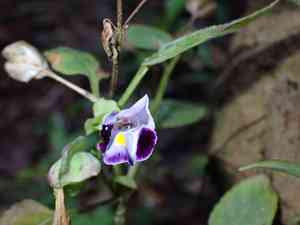
Wishbone flower (Torenia fournieri)
Also known as: Wishbone Flower, Bluewings, Clown Flower
The wishbone flower (Torenia fournieri) is an ornamental plant frequently seen in gardens. Originating from tropical regions of Asia and Africa, this species is popular among gardeners for hanging baskets. It is favored due to its straightforward propagation from either seeds or small cuttings.
In This Article
Attributes of Wishbone flower
Lifespan
Annual, Biennial, Perennial
Plant Type
Herb
Plant Height
30 cm to 38 cm
Spread
15 cm to 23 cm
Leaf Color
Green
Flower Size
2.5 cm to 4 cm
Flower Color
White Purple Blue Yellow Pink Red
Images of Wishbone flower
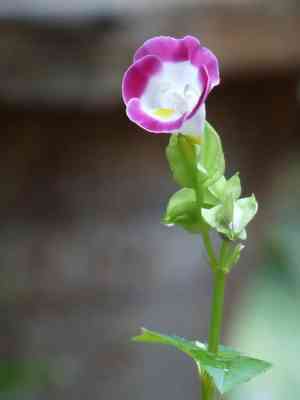
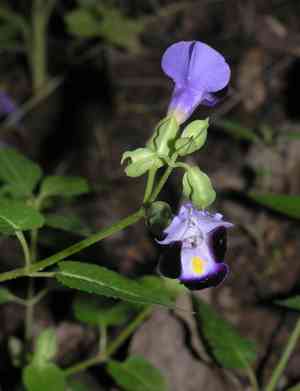
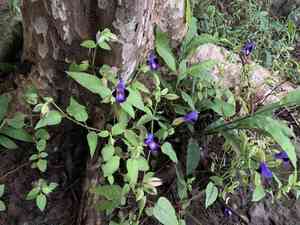
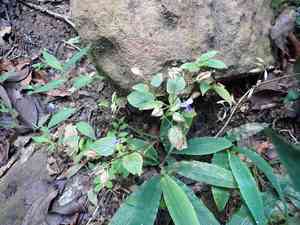
Quickly Identify Wishbone flower
1
Vibrant two-tone blooms in lilac and purple with unique wishbone stamen structure.
2
Ovate light green leaves with serrated margin and slight hairiness, aiding in identification.
3
Smooth, green, glabrous stems measuring 0.1-0.15 inches in diameter, forming a bushy growth habit.
Scientific Classification of Wishbone flower
Phylum
Vascular plants
Class
Dicotyledons
Order
Mints plantains olives and allies
Family
Lindernia
Genus
Wishbone flowers
Species
Wishbone flower
Planting and Growing of Wishbone flower
Care Difficulty
Easy
Watering Schedule
Every 4 days
Sunlight Requirements
Partial sun
Sunshine Duration
4-8 hours
Ideal Temperature
65-75℉
Soil Type
Potting Mix, Peat Mix
Soil pH
6-7
Fertilizer Type
Balanced
Pruning Season
Spring, Summer
Pruning Area
Branches, Leaves
Pruning Frequency
2 times a year
Repotting Season
Spring
Pot Type
Plastic, Terracotta
 How to Water Wishbone flower?
For Torenia fournieri, ensure that the soil remains consistently moist but not soggy. A general guideline is to water until the soil is evenly moist to about 1 inch deep. Avoid waterlogging by ensuring drainage is optimal.
More About Watering Techniques→
What are the symptoms of an underwatered Wishbone flower?
›
What should I do if my Wishbone flower is not getting enough water?
›
What are the symptoms of an overwatered Wishbone flower?
›
How to save an overwatered Wishbone flower?
›
 What Are the Sunlight Requirements for Wishbone flower?
Partial sun ensures healthy blooms, while full shade helps prevent leaf scorching, creating optimal conditions for Torenia fournieri’s growth and vibrant appearance.
More About Sunlight Requirements Techniques→
How much light is ideal for Torenia fournieri?
›
What are the benefits of providing ideal lighting conditions?
›
What solutions exist for achieving ideal lighting?
›
 What Is the Ideal Temperature Range for Wishbone flower?
Torenia fournieri thrives best in temperatures between 65°F to 75°F. This range provides optimal conditions for growth and blooming. Keeping the temperature within this range ensures vigorous growth, vibrant flowers, and overall plant health. Extremes outside this range may lead to stress or reduced blooming.
 What Soil is Best for Wishbone flower?
Torenia fournieri requires well-draining soil to prevent waterlogging, which can lead to root rot. This type of soil helps in providing the necessary aeration essential for root health and promotes vigorous growth. While good drainage is important, the soil should also retain enough moisture to keep the plant hydrated. A balance of sand and organic matter ensures the soil remains moist, benefiting the plant by reducing the frequency of watering. A nutrient-rich soil substrate supports Torenia fournieri's growth and vibrant blooming. Incorporating compost or well-rotted manure enhances soil fertility, promoting strong stems and lush flowers.
More About Soil→
 How to Fertilize Wishbone flower?
Torenia fournieri, commonly known as wishbone flower, thrives with balanced fertilization. Applying a water-soluble fertilizer at half the recommended strength ensures proper nutrition without overwhelming the plant. Too much fertilizer can result in salt buildup, which may harm the roots. It's crucial to adjust the fertilizer strength depending on the growth rate of your Torenia. During active growing periods, like spring and summer, a slightly stronger solution can be beneficial.
More About Fertilizing Techniques→
 How to Prune Wishbone flower?
Do not over-prune by significantly reducing the height of the plant all at once, as it can stress Torenia fournieri and delay flowering. Trim back only what's necessary and observe how the plant responds before making further cuts. Pay attention to branches that may be overlapping or too densely packed. Thin them out to improve air circulation within the plant, which reduces the risk of fungal issues and helps the plant utilize light more effectively.
More About Pruning Techniques→
 How to Propagate Wishbone flower plant?
1
Begin by filling a seed tray with a well-draining potting mix. Gently press the seeds into the soil surface, keeping them moist but not waterlogged. Cover the tray with a clear plastic lid to maintain humidity until germination.
2
For cutting propagation, select a healthy stem and use sharp scissors to make a clean cut just below a node. Remove any lower leaves to reduce water loss and plant the cutting in a pot with a moist propagation mix.
3
Once the seedlings have developed a few true leaves, gently transplant them to individual pots. Handle the seedlings carefully to avoid damaging the delicate roots during the process.
 How to Repot Wishbone flower plant?
1
Torenia fournieri should be repotted when you notice roots growing out of the drainage holes, the plant becoming top-heavy, or the soil drying out faster than usual. These signs indicate that the plant has outgrown its current pot and requires more space to thrive.
2
Select a pot that's one size larger than the current one, with adequate drainage holes. A pot that fits these criteria prevents waterlogging, which can lead to root rot, while providing enough space for root expansion and healthier growth.
3
Opt for a well-draining potting mix rich in organic matter. This type of soil offers excellent drainage and aeration, preventing water stagnation and ensuring that the roots have access to both moisture and nutrients essential for vibrant growth.
Learn More About Wishbone flower Diseases
Anthracnose
Bacterial Leaf Spot
Bacterial Soft Rot
Bacterial Wilt
Damping-off
Downy Mildew
Fusarium Wilt
Gray Mold
Leaf Spot
Mosaic
Powdery Mildew
Root Rot
Root-knot Nematode
Rusts
Sooty Mold
White Mold
Chemical Injury
Drought Stress
Nutrient Deficiency
Nutrient Toxicity
Temperature Stress
Spider Mites
Thrips Damage



