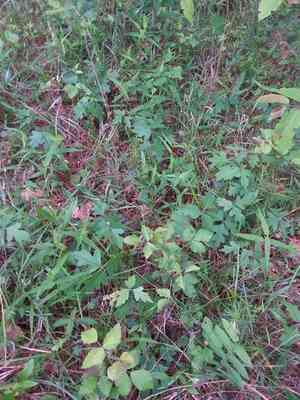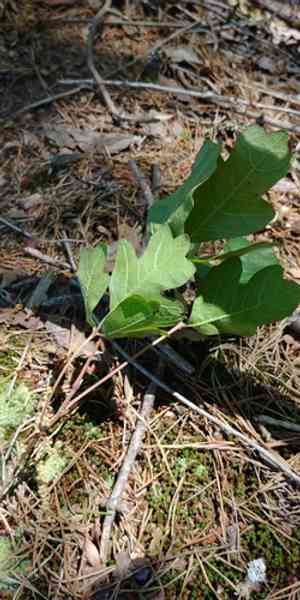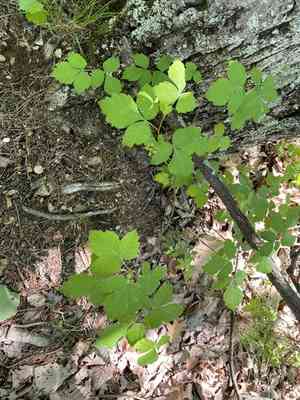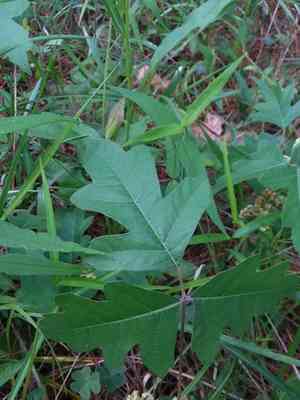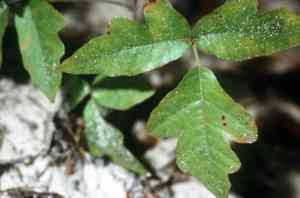
Atlantic poison oak(Toxicodendron pubescens)

Atlantic poison oak (Toxicodendron pubescens)

Also known as: Eastern Poison Oak

Poison ivy (Toxicodendron radicans) is a North American plant that can trigger an itchy rash in those who are sensitive. This plant can grow as a shrub or a vine, with its young leaves often emerging in bright green or reddish hues, and mature stems taking on a gray or woody appearance.

In This Article
Care Tips Toxicity

Attributes of Atlantic poison oak

Lifespan
Perennial
Plant Type
Herb, Shrub
Plant Height
1 m
Spread
N/A
Leaf Color
Dark green; turns red or orange in fall
Flower Size
2.5 cm
Flower Color
Yellow Green

PlantJoy - Identify plants with a snap

Identify and diagnose plants, get toxicity alerts, and explore safety guides for all types of fungi.

Try for Free

Images of Atlantic poison oak

Atlantic poison oak(Toxicodendron pubescens)

Quickly Identify Atlantic poison oak

1
Tri-foliate leaves resembling oak leaf shape, velvety texture, aiding in species differentiation.
2
Panicle-structured flowers with inconspicuous yellow-green petals, green filaments, and anthers in spring bloom.
3
Small, pubescent greenish-white berries maturing to tannish-white, attracting birds for seed dispersion.
4
Trifoliate leaves with lobed or toothed margins, leathery, pubescent, dark green to reddish-orange coloration.
5
Slender, grayish-brown stems, 0.1-0.2 inches in diameter, velvety buds, sparse branching pattern.

Scientific Classification of Atlantic poison oak

Phylum
Vascular plants
Class
Dicotyledons
Order
Sapindales
Family
Cashew
Genus
Toxicodendron
Species
Atlantic poison oak

Toxicity of Atlantic poison oak

Is Atlantic poison oak toxic to humans?

Poisoning symptoms may arise from direct contact with any part of the atlantic poison oak. They may also result from cross-contamination via clothing, tools, gloves, or other items that have touched the plant. Additionally, inhaling smoke from a burning specimen can lead to symptoms. The urgency of these reactions can range from mild to severe. Every part of this plant is toxic and should only be handled while wearing protective gear. Symptoms may include intense skin redness and rashes, itching, blister formation, and swelling. It can take anywhere from 24 to 48 hours or potentially longer for symptoms to appear. Individuals interacting with the atlantic poison oak are at risk of poisoning.


Identify toxic plants for your safety

Learn which plants are harmful to you and your pets, and make informed choices for a safer home!

Try for Free
WARNING
The judgment on toxicity and danger is for reference only. We DO NOT GUARANTEE any accuracy of such judgment. Therefore, you SHALL NOT rely on such judgment. It is IMPORTANT TO SEEK PROFESSIONAL ADVICE in advance when necessary.