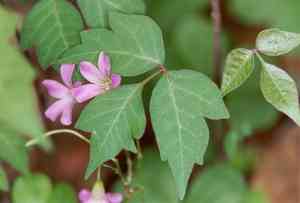
Poison ivy(Toxicodendron radicans)

Poison ivy (Toxicodendron radicans)

Also known as: Climbing poison ivy

In pop culture, poison ivy is often depicted as a troublesome weed due to its ability to cause severe skin irritation upon contact. Despite its innocent appearance, it can give a nasty rash to anyone who touches it. Interestingly, many animals consume it, and birds particularly enjoy its seeds. During the fall, its leaves turn a striking red. While Western poison ivy (Toxicodendron rydbergii) isn't seen as invasive in the U.S., it is considered a nuisance in Australia and New Zealand.

Attributes of Poison ivy

Lifespan
Perennial
Plant Type
Vine
Plant Height
61 cm to 30 m
Spread
30 cm to 90 cm
Leaf Color
Green Yellow Red
Flower Size
3 mm to 1.2 cm
Flower Color
Green White Yellow

PlantJoy - Identify plants with a snap

Identify and diagnose plants, get toxicity alerts, and explore safety guides for all types of fungi.

Try for Free

Images of Poison ivy

Poison ivy(Toxicodendron radicans)

Quickly Identify Poison ivy

1
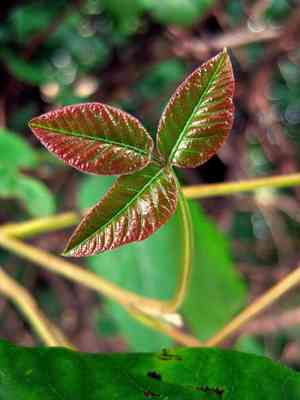
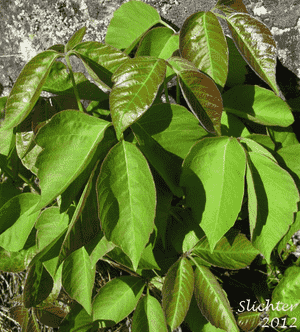
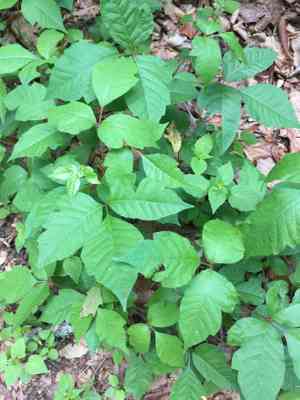
Trifoliate leaves with glossy deep green color, transitioning to vibrant red in autumn.
2
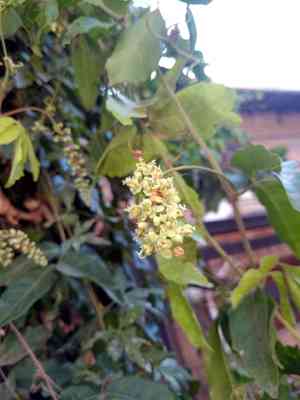
Yellowish green flowers in panicles up to 4 inches; petals triangular and recurved.
3
Dull white drupes, 0.5 inches in diameter, with waxy smooth texture and grey stripes.
4
Woody stems initially reddish green, developing aerial rootlets for climbing.
5
Every part secretes urushiol; causes severe allergic reactions upon contact.

Scientific Classification of Poison ivy

Phylum
Vascular plants
Class
Dicotyledons
Order
Sapindales
Family
Cashew
Genus
Toxicodendron
Species
Poison ivy

Planting and Growing of Poison ivy

Care Difficulty
Hard
Watering Schedule
Every 2 days
Sunlight Requirements
Full sun
Sunshine Duration
6-10 hours
Ideal Temperature
75-86℉
Soil Type
Potting Mix, Peat Mix
Soil pH
4-6.5
Fertilizer Type
Balanced
Pruning Season
Spring, Summer
Pruning Area
Branches, Leaves
Pruning Frequency
2 times a year
Repotting Season
Spring
Pot Type
Plastic, Ceramic

water icon How to Water Poison ivy?

Water the plant thoroughly but ensure the soil is well-drained. You should aim to moisten the soil to about 4 inches in depth. This ensures the roots get enough moisture without the risk of waterlogging. Use approximately 200ml of water per session for optimal results.
What are the symptoms of an underwatered Poison ivy?
What should I do if my Poison ivy is not getting enough water?
What are the symptoms of an overwatered Poison ivy?
How to save an overwatered Poison ivy?

sunlight icon What Are the Sunlight Requirements for Poison ivy?

Sunlight Requirements: Full sun, Partial sun
Duration of light: 4-6 hours sun
Partial and full sun both contribute to optimal growth, allowing for adaptability yet ensuring sufficient energy for thriving foliage and reproduction.
How much sunlight does it need?
What are the strategies to achieve ideal lighting?
How will this lighting affect growth?

temperature icon What Is the Ideal Temperature Range for Poison ivy?

Ideal Temperature: 75 ~ 86℉
Toxicodendron radicans, commonly known as poison ivy, thrives best in temperatures ranging from 75°F to 86°F. This temperature range provides an optimal environment for photosynthesis and nutrient absorption, allowing the plant to grow vigorously. During this range, the plant can efficiently transpire and maintain the moisture balance necessary for its growth.

soil icon What Soil is Best for Poison ivy?

Soil type: Loam, Clay soil, Sandy loam, Acidic soil
Soil PH: 4 ~ 6.5
Toxicodendron radicans thrives best in well-drained soil, which prevents waterlogging and root rot. This kind of soil helps maintain adequate oxygenation, promoting healthy root development and ensuring the plant's resilience against adverse conditions. The plant prefers soil that retains moisture yet doesn’t remain saturated. This ensures that the roots receive a steady supply of water without risking waterborne diseases, helping the plant maintain vigorous growth throughout its season. Rich in organic matter, the soil must supply essential nutrients to support robust growth and foliage production. It helps significantly in boosting the plant's overall health and resilience to environmental stresses.

fertilize icon How to Fertilize Poison ivy?

Fertilizer type: Balanced
Toxicodendron radicans, commonly known as poison ivy, requires minimal fertilization as it thrives naturally without much additional nutrients. Generally, a balanced liquid fertilizer diluted to half its strength is adequate.

prune icon How to Prune Poison ivy?

Pruning Time: Spring, Summer, Autumn, Winter
Begin by wearing protective clothing, including gloves, to prevent exposure to the plant's oils. Use clean, sharp shears to cut back the vine, starting from the farthest extent and working toward the root. Focus on removing unwanted growth and any vine parts that are climbing or spreading. After cutting, carefully gather the clippings and place them in a secure plastic bag. Toxicodendron radicans can cause skin irritation even after being detached, so avoid direct contact. Do not burn the clippings, as the smoke can be harmful.

propagate icon How to Propagate Poison ivy plant?

Propagate Time: Spring, Late spring
1
Gather seeds from mature plants during late spring. Ensure that the seeds are free of any mold or disease. Store them in a dry, cool location before sowing.
2
Use pruning shears to cut a healthy stem segment from the parent plant. Aim for a cutting size of about 6 inches. Remove excess leaves from the lower portion.
3
Place the cuttings in a moist growth medium, such as peat moss or vermiculite. Ensure the medium is damp to promote root development and cover with plastic to maintain humidity.

repot icon How to Repot Poison ivy plant?

Repotting frequency: Every two to three years
1
Look out for signs like outgrowing the pot, visible roots through drainage holes, or poor soil condition. Repot during active growth seasons for best results.
2
Select a pot that's 1-2 inches larger in diameter than the current one, ensuring it has ample drainage holes. This size allows the roots to spread while preventing waterlogging.
3
Opt for a well-draining potting mix, ideally designed for succulents and cacti. This mix aids in preventing root rot by allowing excess water to escape easily.

PlantJoy - Identify plants with a snap

Find the best spots for them to optimize their health, simply using your phone.

Try for Free

Toxicity of Poison ivy

Is Poison ivy toxic to humans?

Every part of the poison ivy plant is infused with a toxic oil known as urushiol, which leads to skin irritation in the majority of individuals. This irritation results from an allergic response triggered by either direct or indirect contact with the plant material, which may involve touching shoes or encountering an animal that has brushed against the plant. Moreover, even the smoke generated by burning poison ivy can elicit a toxic reaction. Accidental contact is quite common, given that this plant thrives in a variety of environments such as forests, roadsides, and clearings. Symptoms can manifest as severe blistering, intense itching, and inflammation, which may persist for an extended period.

Is Poison ivy toxic to cat?

Poison ivy is harmful to cats, presenting health hazards when any component is accidentally ingested. Given their curious nature, cats may unintentionally ingest parts of poison ivy, which can result in potential poisoning. Following ingestion, they might exhibit a range of symptoms, including but not limited to gastrointestinal distress or signs suggesting discomfort or pain. Timely identification of these symptoms is crucial, as they necessitate urgent veterinary attention to safeguard the affected cat's health. It is essential for cat owners to ensure their pets stay away from poison ivy to avert such dangerous exposure.

Is Poison ivy toxic to dog?

Poison ivy is a plant that presents considerable health hazards to dogs. When dogs come into contact with or accidentally ingest any portion of poison ivy, they can experience poisoning due to its toxic properties. The ways dogs may be poisoned include eating the leaves, stems, or other parts of the plant, often happening when they mistake it for something edible during outdoor excursions. Signs of poisoning in dogs may consist of gastrointestinal distress, such as vomiting and diarrhea, and skin irritation if there is direct contact with the plant. It is essential for dog owners to keep a close eye on their pets and prevent them from interacting with poison ivy. Should a dog display symptoms of poisoning after exposure to poison ivy, it is vital to seek immediate veterinary attention to ensure appropriate treatment and management of symptoms.

Identify toxic plants for your safety

Learn which plants are harmful to you and your pets, and make informed choices for a safer home!

Try for Free
WARNING
The judgment on toxicity and danger is for reference only. We DO NOT GUARANTEE any accuracy of such judgment. Therefore, you SHALL NOT rely on such judgment. It is IMPORTANT TO SEEK PROFESSIONAL ADVICE in advance when necessary.
More About Toxic Techniques