
Asiatic jasmine (Trachelospermum asiaticum)
Also known as: Japanese star jasmine
Asiatic jasmine (Trachelospermum asiaticum) is a plant species native to northeast Asia, India and Malaysia. The latin name Trachelospermum asiaticum means seed from Asia. It has received the Royal Horticultural Society's Award of Garden Merit.
In This Article
Attributes of Asiatic jasmine
Lifespan
Perennial
Plant Type
Vine
Plant Height
15 cm to 6 m
Spread
3 m
Leaf Color
Green
Flower Size
2.5 cm
Flower Color
Yellow White Cream
Images of Asiatic jasmine
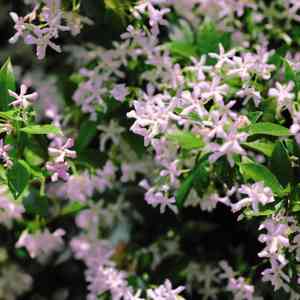
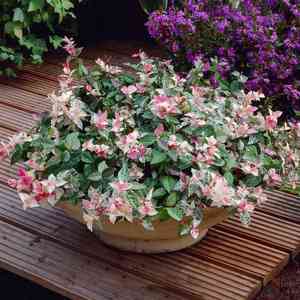

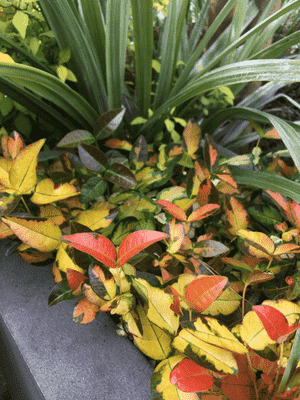
Quickly Identify Asiatic jasmine
1
Robust growth reaching 1-2 feet (30-60 cm) in height and 10-12 feet (3-3.6 meters) wide.
2
Glossy, dark green, ovate leaves with prominent vein pattern, turning red-bronze in fall.
3
Creamy white flowers in clusters, star-like arrangement, emitting a delightful fragrance.
4
Wiry, twining stem up to 0.3 inches (0.8 cm) in diameter, green to brown coloration.
5
Versatile growth habit with climbing ability, thriving in a variety of sunlight exposures.
Scientific Classification of Asiatic jasmine
Phylum
Vascular plants
Class
Dicotyledons
Order
Gentianales
Family
Dogbane
Genus
Star jasmine
Species
Asiatic jasmine
Planting and Growing of Asiatic jasmine
Care Difficulty
Easy
Watering Schedule
Every 4 days
Sunlight Requirements
Partial sun
Sunshine Duration
4-8 hours
Ideal Temperature
60-77℉
Soil Type
Potting Mix, Peat Mix
Soil pH
6.5-7.5
Fertilizer Type
Balanced
Pruning Season
Spring, Summer
Pruning Area
Branches, Leaves
Pruning Frequency
Once a year
Repotting Season
Spring
Pot Type
Plastic, Ceramic
 How to Water Asiatic jasmine?
Trachelospermum asiaticum prefers to have the soil remain consistently moist but not soggy. During the growing season, a watering session involving around 250 ml should suffice until the water barely begins to drain from the bottom of the pot. Ensure that the soil feels damp an inch below the surface after watering.
More About Watering Techniques→
What are the symptoms of an underwatered Asiatic jasmine?
›
What should I do if my Asiatic jasmine is not getting enough water?
›
What are the symptoms of an overwatered Asiatic jasmine?
›
How to save an overwatered Asiatic jasmine?
›
 What Are the Sunlight Requirements for Asiatic jasmine?
The ideal light range is partial sun to full shade. Adequate light encourages strong stem growth and vibrant leaves. Proper light balance is essential for flowering and overall health.
More About Sunlight Requirements Techniques→
What is the best light condition for Trachelospermum asiaticum?
›
How can I achieve the ideal light conditions for this plant?
›
What are the benefits of providing ideal lighting for this plant?
›
 What Is the Ideal Temperature Range for Asiatic jasmine?
The ideal temperature range for cultivating Trachelospermum asiaticum is between 60°F and 77°F. This range ensures the plant receives optimal conditions for growth and development, promoting healthy foliage and vibrant blooms.
 What Soil is Best for Asiatic jasmine?
Trachelospermum asiaticum thrives in well-drained soil, which is essential to prevent root rot caused by standing water. Ensuring drainage promotes healthy root development and vigorous growth. This plant benefits from soil rich in organic matter. Nutrient-rich soil enhances foliage and increases flowering potential, allowing the plant to exhibit its lush appearance. It prefers soil that holds moderate moisture without becoming waterlogged. Proper moisture levels help maintain consistent growth and prevent stress during dry spells.
More About Soil→
 How to Fertilize Asiatic jasmine?
When fertilizing Trachelospermum asiaticum, it is important to ensure that the amount is balanced. For liquid fertilizers, dilute to half the recommended strength to avoid over-fertilization. Typically, 1/4 to 1/2 a gallon per plant is adequate, depending on its size and health.
More About Fertilizing Techniques→
 How to Prune Asiatic jasmine?
While Trachelospermum asiaticum can be pruned throughout the year, always avoid pruning during extreme temperature conditions to ensure the plant's health isn't compromised. After pruning, keep a close eye for any signs of pest or disease, as fresh cuts can sometimes invite unwanted guests into your garden. Be mindful not to over-prune; removing more than a third of the plant at once can stress it significantly, impacting its growth and flowering.
More About Pruning Techniques→
 How to Propagate Asiatic jasmine plant?
1
Choose healthy, non-flowering stems from the parent plant. The selected stem should be green, flexible, and free of any signs of disease or pests.
2
Cut the selected stem into 6-8 inch segments, ensuring each segment has at least two nodes. Remove the leaves from the lower node to reduce moisture loss and encourage root development.
3
Dip the end of the cutting in rooting hormone and plant it in a pot filled with a well-draining potting medium. Ensure the node is buried in the soil and water thoroughly immediately after planting.
 How to Repot Asiatic jasmine plant?
1
Trachelospermum asiaticum should be repotted when you observe signs such as roots protruding from the drainage holes, the plant becoming root-bound or showing stunted growth. The best time to repot is during its growth phase in spring or early summer for optimal recovery.
2
Select a pot that is one size larger than the current one. Make sure it has good drainage holes to prevent waterlogging. A terracotta pot is ideal as it allows excess moisture to evaporate, keeping the roots healthy and promoting better airflow.
3
Opt for a well-draining potting mix that retains enough moisture but doesn't waterlog the roots. A mix containing peat, perlite, and a bit of sand will provide proper aeration, ensuring robust root health and preventing rot, thus promoting vigorous growth.
Toxicity
Ingestion
WARNING
The judgment on toxicity and danger is for reference only. We DO NOT GUARANTEE any accuracy of such judgment. Therefore, you SHALL NOT rely on such judgment. It is IMPORTANT TO SEEK PROFESSIONAL ADVICE in advance when necessary.



