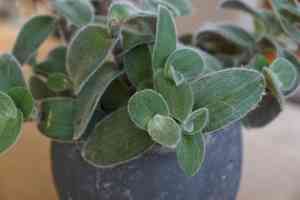
Small-leaf spiderwort (Tradescantia fluminensis)
Also known as: Wandering Trad, Speedy Henry, Inch plant, Giant White Inch plant
Tradescantia fluminensis is often grown as a houseplant or ground cover. It features small, glossy, dark green, oval leaves. The plant can root easily at any node that touches the ground, leading to its other names like wandering Jew or inch plant.
Attributes of Small-leaf spiderwort
Images of Small-leaf spiderwort
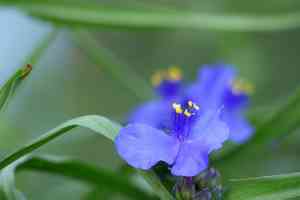
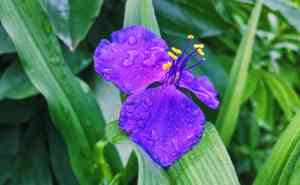
Quickly Identify Small-leaf spiderwort
Scientific Classification of Small-leaf spiderwort
Planting and Growing of Small-leaf spiderwort
 How to Water Small-leaf spiderwort?
 What Are the Sunlight Requirements for Small-leaf spiderwort?
 What Is the Ideal Temperature Range for Small-leaf spiderwort?
 What Soil is Best for Small-leaf spiderwort?
 How to Fertilize Small-leaf spiderwort?
 How to Prune Small-leaf spiderwort?
 How to Propagate Small-leaf spiderwort plant?
 How to Repot Small-leaf spiderwort plant?
Toxicity of Small-leaf spiderwort
Is Small-leaf spiderwort toxic to cat?
Small-leaf spiderworts possess mild to moderate toxicity for felines. Every part of these popular houseplants contains a sap that can lead to skin or gastrointestinal irritation. Exposure to this sap might result in redness or itching on the skin, while consuming it can lead to vomiting, diarrhea, and various other digestive disturbances.
Is Small-leaf spiderwort toxic to dog?
The small-leaf spiderwort exhibits mild toxicity in dogs. While it seldom induces gastrointestinal problems, it can lead to skin-related issues if a dog's fur or skin comes into contact with its leaves. Typical symptoms of reactions to small-leaf spiderwort include redness, bumps, or pustules on the skin, which often cause itching and may lead to scratching. Severe reactions might necessitate a visit to the veterinarian, but generally, symptoms will resolve naturally once the plant causing the reaction is eliminated.



