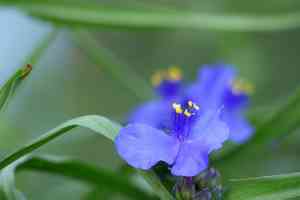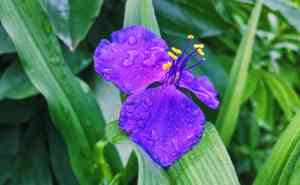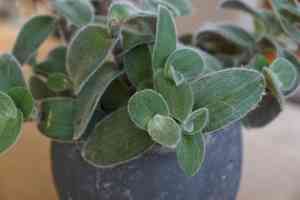
Small-leaf spiderwort(Tradescantia fluminensis)

Small-leaf spiderwort (Tradescantia fluminensis)

Also known as: Wandering Trad, Speedy Henry, Inch plant, Giant White Inch plant

Tradescantia fluminensis is often grown as a houseplant or ground cover. It features small, glossy, dark green, oval leaves. The plant can root easily at any node that touches the ground, leading to its other names like wandering Jew or inch plant.

Attributes of Small-leaf spiderwort

Lifespan
Perennial
Plant Type
Vine, Herb
Plant Height
60 cm
Spread
23 cm to 60 cm
Leaf Color
Green Purple
Flower Size
1.3 cm to 2.5 cm
Flower Color
White

PlantJoy - Identify plants with a snap

Identify and diagnose plants, get toxicity alerts, and explore safety guides for all types of fungi.

Try for Free

Images of Small-leaf spiderwort

Small-leaf spiderwort(Tradescantia fluminensis)

Quickly Identify Small-leaf spiderwort

1
Oval leaves with pointed tips, 2.5-3.5 inches (6.5-9 cm) long, cluster and trail elegantly.
2
Small white flowers under 1 inch (2.5 cm), three equal delicate petals, and boat-shaped bracts.
3
Smooth, ovate-oblong leaves, green upper surface, purplish undersides, distinctive vein pattern.
4
Slender green stems, ascending or trailing growth, nodes spaced 1 inch (2.5 cm) apart, rooting.

Scientific Classification of Small-leaf spiderwort

Phylum
Vascular plants
Class
Monocotyledons
Order
Spiderworts and allies
Family
Spiderwort
Genus
Spiderworts
Species
Small-leaf spiderwort

Planting and Growing of Small-leaf spiderwort

Care Difficulty
Easy
Watering Schedule
Every 8 days
Sunlight Requirements
Partial sun
Sunshine Duration
6-10 hours
Ideal Temperature
65-75℉
Soil Type
Potting Mix, Peat Mix
Soil pH
6.5-7.5
Fertilizer Type
Balanced
Pruning Season
Spring, Summer
Pruning Area
Branches, Leaves
Pruning Frequency
2 times a year
Repotting Season
Spring
Pot Type
Plastic, Ceramic

water icon How to Water Small-leaf spiderwort?

When it's time to water Tradescantia fluminensis, ensure that the potting mix is adequately hydrated without becoming soggy. Pour 150 milliliters of water evenly across the soil surface until the water begins to filter through the drainage holes. The key is to achieve a balance where the soil is moist but not waterlogged.
What are the symptoms of an underwatered Small-leaf spiderwort?
What should I do if my Small-leaf spiderwort is not getting enough water?
What are the symptoms of an overwatered Small-leaf spiderwort?
How to save an overwatered Small-leaf spiderwort?

sunlight icon What Are the Sunlight Requirements for Small-leaf spiderwort?

Sunlight Requirements: Partial sun, Full shade
Duration of light: 4 to 6 hours
Partial sun to full shade is best, promoting vibrant foliage while avoiding the detrimental effects of direct sunlight, such as leaf scorch and reduced vitality.
How much sunlight does Tradescantia fluminensis require?
What solutions exist for providing perfect light conditions?
What benefits result from optimal lighting?

temperature icon What Is the Ideal Temperature Range for Small-leaf spiderwort?

Ideal Temperature: 65 ~ 75℉
The ideal temperature range for Tradescantia fluminensis is between 65°F and 75°F. Maintaining this range will ensure optimal growth and health for the plant. Consistency in temperatures helps avoid stress and promotes healthy foliage and root development.

soil icon What Soil is Best for Small-leaf spiderwort?

Soil type: Loam, Sandy loam
Soil PH: 6.5 ~ 7.5
Tradescantia fluminensis thrives in well-drained soil that allows excess water to escape easily. This prevents root rot, ensuring the plant remains healthy and vibrant. The plant prefers soil enriched with organic matter, which provides essential nutrients for growth. This boosts the plant's resilience and enhances its foliage. While it enjoys moisture, soil should not be waterlogged. Consistent moisture keeps the plant lush, while excessive water can lead to pathogenic fungi.

fertilize icon How to Fertilize Small-leaf spiderwort?

Fertilizer type: Balanced
Tradescantia fluminensis benefits from a balanced nutrient supply. Apply liquid fertilizer at a dilution recommended by the manufacturer to avoid overwhelming the roots. Use about 1/4 the recommended strength of all-purpose houseplant fertilizer once every two weeks during the growing season.

prune icon How to Prune Small-leaf spiderwort?

Pruning Time: Spring, Summer, Autumn, Winter
Start by identifying any dead, damaged, or diseased leaves and stems; these should be removed first. Use clean, sharp scissors or pruning shears to make clean cuts just above a node, which encourages new growth. To shape the plant, trim back leggy stems by cutting them down to your desired length. Regular trimming will keep your plant compact and promote vigorous, lush foliage. To encourage a bushier plant, pinch off the tips of the stems using your fingers or scissors. Pinching should be done just above the leaf nodes where you desire more branches to form. This practice encourages the plant to redirect its energy to the nodes rather than elongating, resulting in fuller and denser growth. Repeat this process monthly for best results.

propagate icon How to Propagate Small-leaf spiderwort plant?

Propagate Time: Spring, Early spring, Late spring
1
Choose stems that are healthy and free of pests or disease. These should be robust with plenty of leaves to support new growth once they are planted. Avoid stems that are wilting or discolored.
2
Use clean pruning shears to cut a 4-6 inch section of stem just below a node. Remove the lower leaves so that you have a clean stem to insert into the soil. This enhances root formation as only the node is buried.
3
Insert the cutting into a pot filled with well-draining potting mix. Water thoroughly to settle the soil around the stem, and place the pot in a warm, brightly lit area away from direct sunlight.

repot icon How to Repot Small-leaf spiderwort plant?

Repotting frequency: Annually or biennially
1
Tradescantia fluminensis shows clear signs when it's time to repot. If you notice roots growing out of the drainage holes, or the soil isn't retaining moisture as it used to, it's a signal that your plant is outgrowing its current pot and needs more space. Additionally, if growth has slowed significantly, it might be time to refresh the soil to provide new nutrients.
2
Selecting the correct pot is crucial for the health of Tradescantia fluminensis. Opt for a pot that is one to two inches larger in diameter than the current one to give the roots room to grow but not too large that it holds excessive moisture. Choose a pot with ample drainage holes to prevent the roots from rotting and to provide the best possible environment for your plant's growth.
3
A well-draining potting mix is essential for Tradescantia fluminensis. Choose a soil that retains moisture but also drains well to avoid waterlogging. Many gardeners recommend mixing general potting soil with a bit of perlite or sand to improve drainage. This ensures that the plant's roots have access to oxygen and can thrive without being waterlogged.

PlantJoy - Identify plants with a snap

Find the best spots for them to optimize their health, simply using your phone.

Try for Free

Toxicity of Small-leaf spiderwort

Is Small-leaf spiderwort toxic to cat?

Small-leaf spiderworts possess mild to moderate toxicity for felines. Every part of these popular houseplants contains a sap that can lead to skin or gastrointestinal irritation. Exposure to this sap might result in redness or itching on the skin, while consuming it can lead to vomiting, diarrhea, and various other digestive disturbances.

Is Small-leaf spiderwort toxic to dog?

The small-leaf spiderwort exhibits mild toxicity in dogs. While it seldom induces gastrointestinal problems, it can lead to skin-related issues if a dog's fur or skin comes into contact with its leaves. Typical symptoms of reactions to small-leaf spiderwort include redness, bumps, or pustules on the skin, which often cause itching and may lead to scratching. Severe reactions might necessitate a visit to the veterinarian, but generally, symptoms will resolve naturally once the plant causing the reaction is eliminated.

Identify toxic plants for your safety

Learn which plants are harmful to you and your pets, and make informed choices for a safer home!

Try for Free
WARNING
The judgment on toxicity and danger is for reference only. We DO NOT GUARANTEE any accuracy of such judgment. Therefore, you SHALL NOT rely on such judgment. It is IMPORTANT TO SEEK PROFESSIONAL ADVICE in advance when necessary.