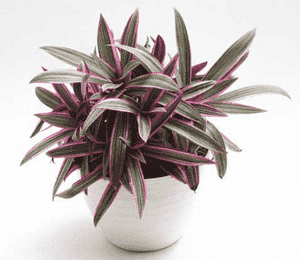
Oyster plant(Tradescantia spathacea)

Oyster plant (Tradescantia spathacea)

Also known as: Moses-in-the-cradle

The oyster plant, originally from Belize, Guatemala, and Mexico, is commonly grown in gardens and has become naturalized in the southeastern United States. While it hasn't caused notable ecological harm, it is regarded as invasive in Florida and Louisiana because of its prevalence.

Attributes of Oyster plant

Lifespan
Perennial
Plant Type
Herb
Plant Height
20 cm to 40 cm
Spread
8 cm
Leaf Color
Green Purple Variegated Bronze
Flower Size
2.5 cm
Flower Color
White

PlantJoy - Identify plants with a snap

Identify and diagnose plants, get toxicity alerts, and explore safety guides for all types of fungi.

Try for Free

Images of Oyster plant

Oyster plant(Tradescantia spathacea)

Quickly Identify Oyster plant

1
Rosette of lance-shaped leaves, glossy with purple undersides, up to 1 foot long (30 cm).
2
Small white flowers with three equal petals nestled within boat-shaped purple bracts.
3
Fruit is a capsule with a distinctive three-part structure containing 2 seeds.
4
Leaves alternate in a densely packed rosette, linear-lanceolate, 7-14 inches long (18-36 cm).
5
Short, stout succulent stem, trunk-like with a diameter of 1-2 inches (2.5-5 cm).

Scientific Classification of Oyster plant

Phylum
Vascular plants
Class
Monocotyledons
Order
Spiderworts and allies
Family
Spiderwort
Genus
Spiderworts
Species
Oyster plant

Planting and Growing of Oyster plant

Care Difficulty
Easy
Watering Schedule
Every 8 days
Sunlight Requirements
Partial sun
Sunshine Duration
4-8 hours
Ideal Temperature
65-80℉
Soil Type
Potting Mix, Peat Mix
Soil pH
6-7.5
Fertilizer Type
Balanced
Pruning Season
Spring, Summer
Pruning Area
Branches, Leaves
Pruning Frequency
2 times a year
Repotting Season
Spring
Pot Type
Plastic, Ceramic

water icon How to Water Oyster plant?

Tradescantia spathacea prefers its soil to be kept moderately moist, so be careful not to drench it. It's best to water enough so that the top inch of soil is dampened, but extra moisture should be allowed to drain to prevent standing water that can lead to root rot.
What are the symptoms of an underwatered Oyster plant?
What should I do if my Oyster plant is not getting enough water?
What are the symptoms of an overwatered Oyster plant?
How to save an overwatered Oyster plant?

sunlight icon What Are the Sunlight Requirements for Oyster plant?

Sunlight Requirements: Partial sun, Full shade
Duration of light: 4 to 6 hours
Tradescantia spathacea ideally requires partial sun to full shade for vigorous growth. Consistent exposure to the right light range maintains vibrant foliage and robust health, preventing stress-induced deformities.
What is the ideal lighting for Tradescantia spathacea?
How to achieve the ideal light conditions?
What are the benefits of ideal lighting?

temperature icon What Is the Ideal Temperature Range for Oyster plant?

Ideal Temperature: 65 ~ 80℉
For optimal growth, Tradescantia spathacea thrives best within a comfortable temperature range of 65°F to 80°F. This range closely mimics the natural tropical and subtropical environments from which this plant originates. Within these temperatures, the plant can maintain stable metabolic activities, ensuring robust growth and vibrant foliage.

soil icon What Soil is Best for Oyster plant?

Soil type: Loam, Sandy loam
Soil PH: 6 ~ 7.5
Tradescantia spathacea thrives in well-drained soil that prevents waterlogging. This plant prefers conditions that mimic its natural habitat, and well-drained soil ensures the roots are aerated and healthy. This plant benefits from a nutrient-rich medium, which provides essential minerals and nutrients for robust growth. Fertile soil ensures the plant has access to the necessary components for lush foliage. Moderate moisture retention ensures the plant stays hydrated without becoming waterlogged. Proper moisture levels are key for optimal growth and prevent dehydration or root rot.

fertilize icon How to Fertilize Oyster plant?

Fertilizer type: Balanced
For Tradescantia spathacea, using a balanced liquid fertilizer diluted to half strength is ideal. Apply approximately 200 ml per plant, ensuring the soil is moist beforehand to avoid fertilizer burn.

prune icon How to Prune Oyster plant?

Pruning Time: Spring, Summer, Autumn, Winter
Start by identifying any dead, damaged, or yellowing leaves which need to be removed first as they drain the plant's energy. Cut back the tips of the branches slightly to encourage branching; make your cuts just above a leaf node to stimulate healthier growth and a denser appearance. If shaping is desired, strategically prune branches to maintain a preferred shape while ensuring even sunlight exposure to all parts of the plant.

propagate icon How to Propagate Oyster plant plant?

Propagate Time: Early spring, Summer
1
Select a healthy stem from the mother plant and make a clean cut just below a leaf node. Remove the lower leaves to prevent decay and allow more energy for root formation.
2
Dip the cut end of the stem into a rooting hormone. This encourages root growth and can significantly increase the success rate of cuttings developing into new plants.
3
Place the cuttings in a pot with well-draining soil or perlite. Firmly press the soil around the base of the cutting to provide support, and water lightly to settle the soil.

repot icon How to Repot Oyster plant plant?

Repotting frequency: Every 2-3 years
1
Tradescantia spathacea needs repotting when its roots outgrow their current container or when the soil loses its ability to retain nutrients and water. Additionally, if you observe slowed growth or the plant becoming root-bound, it's a clear signal that repotting is necessary to provide fresh growing medium and space for healthy development.
2
Select a new pot that is about one or two sizes larger than the current one, with ample drainage holes. This prevents waterlogging and offers adequate space for growth, promoting root health and enhancing the overall vibrancy and vitality of your Tradescantia spathacea. The pot should also be made of breathable material like terracotta, which helps in moisture regulation.
3
Opt for a well-draining potting mix that retains some moisture but does not become waterlogged. A mix containing peat, perlite, and pine bark is ideal as it provides necessary aeration and mimics the natural tropical habitat of the Tradescantia spathacea, ensuring healthy root growth and nutrient uptake.

PlantJoy - Identify plants with a snap

Find the best spots for them to optimize their health, simply using your phone.

Try for Free

Toxicity of Oyster plant

Is Oyster plant toxic to cat?

The oyster plant presents a significant health hazard to cats and is categorized as a plant with known toxicity. If cats inadvertently consume any part of the oyster plant, especially its sap or juice, this can lead to poisoning. Indicators of such poisoning typically manifest as visible signs of discomfort. It is essential for cat owners to remain alert and prevent their pets from nibbling on or swallowing any portion of the oyster plant. If poisoning by oyster plant is suspected, it is imperative to act quickly by seeking immediate professional assistance from a veterinary hospital to safeguard the health and well-being of the affected cat.

Is Oyster plant toxic to dog?

The oyster plant is known to be toxic to dogs. If dogs consume any part of the oyster plant, they may face dangers of poisoning due to the sap or juice contained within the plant. This ingestion can trigger a range of symptoms, which may include vomiting, diarrhea, excessive drooling, and potentially dermatitis if there is skin contact. Therefore, it is essential for dog owners to be alert and keep their pets away from the oyster plant. Should a dog touch or ingest this plant, it is vital to obtain immediate veterinary assistance to ensure the best possible outcome for the animal.

Identify toxic plants for your safety

Learn which plants are harmful to you and your pets, and make informed choices for a safer home!

Try for Free
WARNING
The judgment on toxicity and danger is for reference only. We DO NOT GUARANTEE any accuracy of such judgment. Therefore, you SHALL NOT rely on such judgment. It is IMPORTANT TO SEEK PROFESSIONAL ADVICE in advance when necessary.

