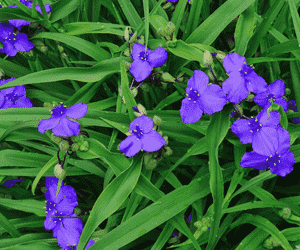
Virginia spiderwort (Tradescantia virginiana)
Also known as: Spider lily
Virginia spiderwort is often studied in biology classes due to the fine hairs on its stamen, which are ideal for microscopic examination. These hairs provide a clear view of cellular structures and processes. Additionally, the plant's rapid growth and ease of care make it a convenient subject for educational experiments. Its visually appealing violet-blue flowers and intricate leaves also add to its value as an ornamental plant.
Attributes of Virginia spiderwort
Images of Virginia spiderwort
Quickly Identify Virginia spiderwort
Scientific Classification of Virginia spiderwort
Planting and Growing of Virginia spiderwort
 How to Water Virginia spiderwort?
 What Are the Sunlight Requirements for Virginia spiderwort?
 What Is the Ideal Temperature Range for Virginia spiderwort?
 What Soil is Best for Virginia spiderwort?
 How to Fertilize Virginia spiderwort?
 How to Prune Virginia spiderwort?
 How to Propagate Virginia spiderwort plant?
 How to Repot Virginia spiderwort plant?
Toxicity of Virginia spiderwort
Is Virginia spiderwort toxic to cat?
Virginia spiderwort is harmful to cats and presents a danger if eaten. When felines inadvertently ingest any portion of this plant, they may face the threat of poisoning owing to its toxic characteristics. Such exposure typically results in physical unease or health issues. It is crucial to thwart access to virginia spiderwort and meticulously monitor for any possible symptoms of illness that may manifest following unintentional consumption. Should a cat display indications of poisoning, prompt veterinary attention is vital to secure the most favorable outcome for the impacted pet.
Is Virginia spiderwort toxic to dog?
Virginia spiderwort is recognized as toxic to dogs. If any part of the virginia spiderwort is ingested by a dog, toxicity may occur since all parts of this plant are harmful. Dogs might unintentionally consume virginia spiderwort while exploring the great outdoors or if this plant is accessible in their home environment. Signs of poisoning in dogs can include gastrointestinal distress, vomiting, diarrhea, lethargy, and excessive salivation. It is vital for dog owners to be watchful and restrict their pets from coming into contact with virginia spiderwort. Should a dog ingest this plant, it is crucial to seek prompt veterinary assistance to ensure the best possible outcome for the animal.



