Silver inch plant(Tradescantia zebrina)

Silver inch plant (Tradescantia zebrina)

Also known as: Wandering Jew, Inch Plant

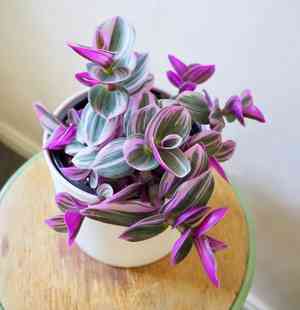
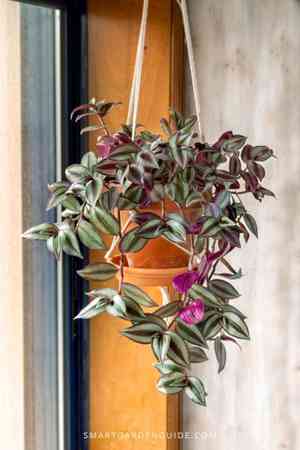
The **Tradescantia zebrina**, also known as the **Wandering Jew** or **Inch Plant**, is a favored trailing plant celebrated for its striking foliage with zebra-like patterns in green, silver, and purple. This plant is incredibly low-maintenance and thrives both indoors and in hanging baskets. Its quick growth and creeping stems, which root as they spread, make it an excellent option for ground cover.

Attributes of Silver inch plant

Lifespan
Perennial, Annual
Plant Type
Vine, Herb
Plant Height
15 cm to 22 cm
Spread
30 cm to 60 cm
Leaf Color
Green Purple Silver Gray Variegated Red Bronze
Flower Size
6 mm
Flower Color
Purple Pink White

PlantJoy - Identify plants with a snap

Identify and diagnose plants, get toxicity alerts, and explore safety guides for all types of fungi.

Try for Free

Images of Silver inch plant

Silver inch plant(Tradescantia zebrina)

Quickly Identify Silver inch plant

1
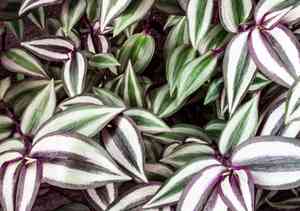
Variegated ovate leaves with green, white, and gray stripes and purple undersides.
2
Ascending or trailing stem, purplish-green, rooting at nodes, and branching frequently.
3
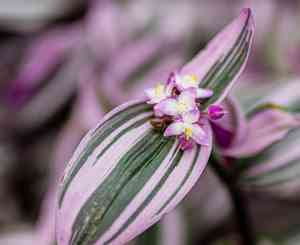
Distinctive white flowers with purple lobes, accompanied by boat-shaped bracts.
4
Sessile ovate-oblong leaves, acute at tip, with sparkling appearance under bright light.
5
Prefers moist well-drained soil, filtered sunlight, and occasional pruning for bushy growth.

Scientific Classification of Silver inch plant

Phylum
Vascular plants
Class
Monocotyledons
Order
Spiderworts and allies
Family
Spiderwort
Genus
Spiderworts
Species
Silver inch plant

Planting and Growing of Silver inch plant

Care Difficulty
Easy
Watering Schedule
Every 8 days
Sunlight Requirements
Partial sun
Sunshine Duration
4-8 hours
Ideal Temperature
65-80℉
Soil Type
Potting Mix, Peat Mix
Soil pH
6.5-7.5
Fertilizer Type
Balanced
Pruning Season
Spring, Summer
Pruning Area
Branches, Leaves
Pruning Frequency
2 times a year
Repotting Season
Spring
Pot Type
Plastic, Ceramic

water icon How to Water Silver inch plant?

Tradescantia zebrina prefers to be kept moderately moist, which means watering until the top inch of soil feels wet but not soggy. A balance is crucial; too much water can lead to root rot, while too little can cause the plant to dry out. Think of the moisture level of a wrung-out sponge, which is ideal for this plant.
What are the symptoms of an underwatered Silver inch plant?
What should I do if my Silver inch plant is not getting enough water?
What are the symptoms of an overwatered Silver inch plant?
How to save an overwatered Silver inch plant?
More About Watering Techniques Group

sunlight icon What Are the Sunlight Requirements for Silver inch plant?

Sunlight Requirements: Partial sun, Full shade
Duration of light: Four to six hours
Partial sun allows Tradescantia zebrina to achieve vibrant colors and robust growth. Bright, indirect light illuminates its foliage without risking leaf burn. This balance is vital for maintaining the plant’s striking appearance and health.
What is the best lighting for Tradescantia zebrina?
How can you achieve ideal lighting conditions for this plant?
What are the benefits of providing ideal light conditions?
More About Sunlight Requirements Techniques Group

temperature icon What Is the Ideal Temperature Range for Silver inch plant?

Ideal Temperature: 65 ~ 80℉
For optimal growth, Tradescantia zebrina thrives in temperatures ranging from 65°F to 80°F. This temperature range ensures that the plant's cellular metabolism functions at its best, promoting vibrant leaf coloration and robust growth. Maintaining a temperature within this range helps reduce stress on the plant, enabling it to conserve energy for development rather than survival.

soil icon What Soil is Best for Silver inch plant?

Soil type: Loam, Sandy loam
Soil PH: 6.5 ~ 7.5
Tradescantia zebrina thrives in well-draining soil, which helps prevent root rot by ensuring that water does not accumulate around the roots. Well-draining soil ensures the roots get the oxygen they need and helps in healthy plant growth. The plant requires soil that retains moderate moisture. This balance allows the plant to have the necessary hydration without becoming waterlogged, thus maintaining turgor pressure in cells for proper growth. Nutrient-rich soil is essential for Tradescantia zebrina to flourish. It provides essential elements like nitrogen, phosphorus, and potassium, which support leaf pigmentation, growth, and flowering. More About Soil Group

fertilize icon How to Fertilize Silver inch plant?

Fertilizer type: Balanced
When fertilizing Tradescantia zebrina, use a half-strength balanced liquid fertilizer. This plant does not require heavy feeding; over-fertilization can lead to leggy growth and reduced leaf color. About 1/4 teaspoon per gallon of water is appropriate. More About Fertilizing Techniques Group

prune icon How to Prune Silver inch plant?

Pruning Time: Spring, Summer, Autumn
Begin by examining the plant for stems that are overgrown, leggy, or have damaged leaves. Look for areas where the plant seems sparse or unhealthy. Trim stems at a node, where leaves join the stem. Cutting here encourages new growth from the node and helps the plant become fuller. Trim back longer vines to an even length, which maintains the plant's shape and encourages an aesthetically pleasing appearance. Create a balanced look by cutting just above leaves or nodes. Carefully remove any brown or yellowing leaves and stems. Dead or diseased plant parts should be removed promptly to maintain overall plant health.

propagate icon How to Propagate Silver inch plant plant?

Propagate Time: Spring,Early summer
1
Choose a strong and healthy stem with vibrant leaves from the parent plant. Ideally, the stem should be about 4 to 6 inches long with several nodes, as these nodes will give rise to new roots.
2
Using sterilized shears, cut the stem at a 45-degree angle below a node. Remove leaves from the bottom third to half of the cutting to prevent rotting when planted in soil or water.
3
Dip the cut end into rooting hormone, tapping off any excess. Plant the cutting into a pot with moist, well-draining potting mix, making sure at least one node is below the surface.

repot icon How to Repot Silver inch plant plant?

Repotting frequency: Every 1-2 years
1
Tradescantia zebrina shows the need for repotting when its roots start to outgrow the current pot, emerging from drainage holes, or when the growth becomes stunted. Repotting should ideally take place during the active growing seasons of spring or summer when the plant's resilience is higher, ensuring it adapts efficiently to its new environment.
2
Select a pot that is about 2 inches wider in diameter than the current one, with adequate drainage holes. This provides space for the roots to expand while preventing overwatering and root rot, ensuring proper drainage and air circulation around the roots, facilitating robust growth.
3
Opt for a well-draining potting mix, possibly combining standard houseplant soil with perlite or sand. This blend ensures that the roots receive adequate air and moisture levels, preventing waterlogging and promoting a healthy root system essential for sustained plant vitality.
More About Repotting Techniques Group

PlantJoy - Identify plants with a snap

Find the best spots for them to optimize their health, simply using your phone.

Try for Free

Toxicity of Silver inch plant

Is Silver inch plant toxic to cat?

The silver inch plant is an attractive foliage species that poses a toxic risk to cats. Felines may suffer from poisoning if they inadvertently consume any portion of the plant. Following ingestion, cats may display noticeable physical discomfort, signaling distress. While the specific toxic substances in the silver inch plant are not clearly identified, its general toxicity can lead to symptoms like gastrointestinal upset or skin irritation upon contact. It is essential for cat owners to restrict their pets' access to this plant and to seek immediate veterinary assistance if they suspect their cat has encountered it, ensuring swift and suitable treatment.

Is Silver inch plant toxic to dog?

The silver inch plant is recognized as toxic to dogs. If a dog ingests any part of this plant, all of which are toxic, it could result in poisoning. Dogs may unintentionally eat silver inch plant while exploring or playing in locations where it grows. Following ingestion, a dog may show symptoms such as vomiting, diarrhea, lethargy, or even more serious signs based on the quantity consumed. It is vital for dog owners to remain alert and restrict their pets from gaining access to silver inch plant. Should a dog consume this plant, seeking prompt veterinary assistance is crucial to guarantee appropriate care and management of any potential poisoning.

Identify toxic plants for your safety

Learn which plants are harmful to you and your pets, and make informed choices for a safer home!

Try for Free
WARNING
The judgment on toxicity and danger is for reference only. We DO NOT GUARANTEE any accuracy of such judgment. Therefore, you SHALL NOT rely on such judgment. It is IMPORTANT TO SEEK PROFESSIONAL ADVICE in advance when necessary.
More About Toxic Techniques Group