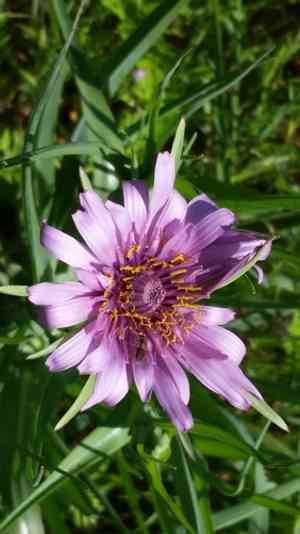
Common salsify (Tragopogon porrifolius)
Also known as: Vegetable oyster, Purple Goat's beard, Jack go to bed
Common salsify (Tragopogon porrifolius), often referred to as oyster plant or vegetable oyster, is an edible plant native to Europe and Africa. It thrives in conditions similar to those needed for growing parsnips and carrots.
In This Article
Attributes of Common salsify
Lifespan
Biennial
Plant Type
Herb
Plant Height
1.2 m
Spread
30 cm
Leaf Color
Green Blue
Flower Size
5 cm
Flower Color
Purple Pink
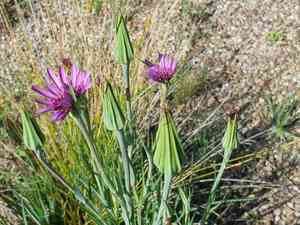
Images of Common salsify
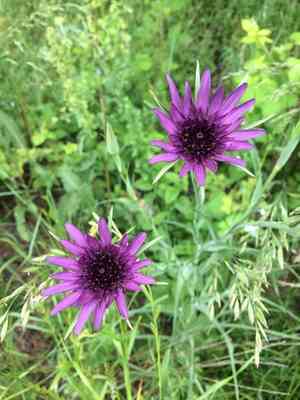
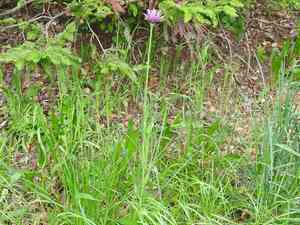
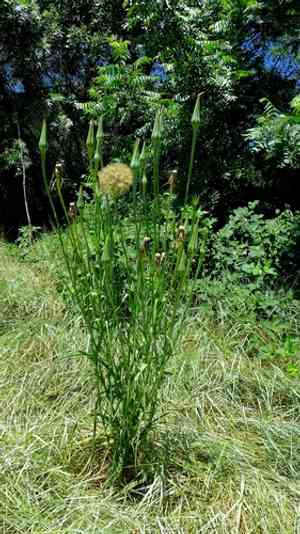
Quickly Identify Common salsify
1
Purple to mauve daisy-like flowers
2
Edible root with oyster-like flavor
3
Distinctive fluffy pappus fruit for wind dispersal
4
Grass-like leaves with waxy undersides
5
Sticky, milky white sap when stem is cut
Scientific Classification of Common salsify
Phylum
Vascular plants
Class
Dicotyledons
Order
Asterales
Family
Daisy
Genus
Salsifies
Species
Common salsify
Planting and Growing of Common salsify
Care Difficulty
Easy
Watering Schedule
Every 4 days
Sunlight Requirements
Full sun
Sunshine Duration
4-8 hours
Ideal Temperature
60-70℉
Soil Type
Potting Mix, Peat Mix
Soil pH
6.5-7.5
Fertilizer Type
Balanced
Pruning Season
Spring, Summer
Pruning Area
Branches, Leaves
Pruning Frequency
2 times a year
Repotting Season
Spring
Pot Type
Plastic, Ceramic
 How to Water Common salsify?
For Tragopogon porrifolius, water thoroughly but sparingly, ensuring around 250 ml each session. The soil should be evenly moist, but not waterlogged. Observe the top inch of soil; it should be dry before watering again. Aim to moisten the entire root zone without causing standing water.
What are the symptoms of an underwatered Common salsify?
›
What should I do if my Common salsify is not getting enough water?
›
What are the symptoms of an overwatered Common salsify?
›
How to save an overwatered Common salsify?
›
 What Are the Sunlight Requirements for Common salsify?
Tragopogon porrifolius thrives best in environments offering full to partial sun exposure for about 6-8 hours. This range ensures proper photosynthesis, leading to optimal plant health and improved flowering patterns.
More About Sunlight Requirements Techniques→
Best Positioning
›
Solutions for Ideal Lighting
›
Benefits of Ideal Lighting
›
 What Is the Ideal Temperature Range for Common salsify?
For optimal growth, Tragopogon porrifolius requires temperatures between 60°F and 70°F. This range supports proper root development and maximizes photosynthesis, leading to a robust plant structure and vibrant foliage.
 What Soil is Best for Common salsify?
Tragopogon porrifolius thrives in well-drained soils that prevent waterlogging, reducing the risk of root rot and promoting healthy root development. The plant requires nutrient-rich soil to enhance its growth and produce robust leaves and flowers, as it aids in the uptake of essential nutrients necessary for vigorous health. A soil with moderate moisture retention helps maintain adequate hydration while preventing excess water that might hamper growth, providing a balanced environment for optimal root health.
 How to Fertilize Common salsify?
For Tragopogon porrifolius, use a balanced fertilizer with equal parts nitrogen, phosphorus, and potassium. For liquid fertilizers, dilute them to half strength recommended on the label to avoid root damage, applying approximately 1-2 liters per square meter.
 How to Prune Common salsify?
Begin by identifying any dead or damaged leaves, which should be removed close to the base to prevent disease spread. Next, use sharp scissors or pruning shears to trim back flowering stems after blooms fade, which helps redirect energy back to the roots. Additionally, thin out overcrowded foliage by removing older leaves to promote airflow and reduce humidity that could encourage fungal growth.
More About Pruning Techniques→
 How to Propagate Common salsify plant?
1
Choose healthy and mature seeds for planting to ensure a higher germination rate. It's important to use seeds from a reliable source to maintain plant quality.
2
Sow the seeds in a seed tray filled with potting mix, placing them about a quarter-inch deep. Gently cover them with soil and water lightly to keep the soil moderately moist.
3
Once seedlings are substantial and the weather is suitable, usually after the risk of frost, transplant them into the garden. Ensure to dig a hole deep enough for the roots and firm the soil gently around the plant.
 How to Repot Common salsify plant?
1
Tragopogon porrifolius requires repotting when growth slows, roots appear through the drainage holes, or the soil dries out too quickly. Spring and summer are ideal as active growth allows quicker root establishment, reducing transplant shock.
2
Select a pot slightly larger than the current one with adequate drainage. Pans made of terracotta or ceramic are ideal as they help maintain balanced moisture, crucial for maintaining Tragopogon porrifolius's delicate root system.
3
Opt for a well-draining, loamy soil mix, possibly with some sand and perlite. This blend ensures adequate aeration and drainage, preventing root rot while providing the essential nutrients for new growth.
Learn More About Common salsify Diseases
Anthracnose
Bacterial Leaf Spot
Bacterial Soft Rot
Bacterial Wilt
Black Spot
Chemical Injury
Crown Gall
Cyst Nematode
Damping-off
Downy Mildew
Drought Stress
Fusarium Wilt
Gray Mold
Leaf Spot
Mosaic
Nutrient Deficiency
Nutrient Toxicity
Powdery Mildew
Root Rot
Root-knot Nematode
Rusts
Sooty Mold
Spider Mites
Temperature Stress
Thrips Damage
White Mold



