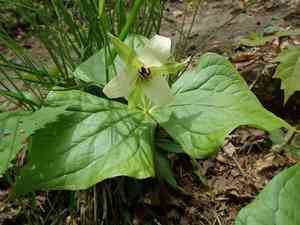
Red trillium (Trillium erectum)
Also known as: Wake-robin, Red Wakerobin, Wet Dog Trillium, Purple Wakerobin, Wake Robin Trillium, Bathroot, Death Root, Indian Balm
Native to eastern North America, the red trillium (*Trillium erectum*) is found on forest floors. Its components surface in groups of three as pointed triple leaves, giving way to three-petalled flowers. Red trillium is mildly toxic to humans. The flowers smell like rotting meat to attract pollinating flies.
Attributes of Red trillium
Images of Red trillium
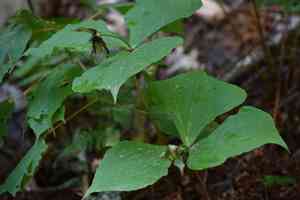
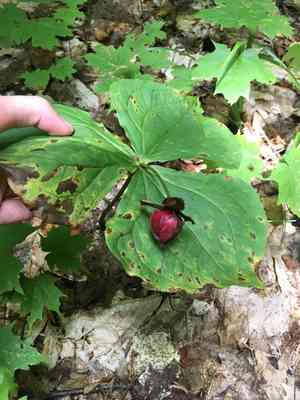
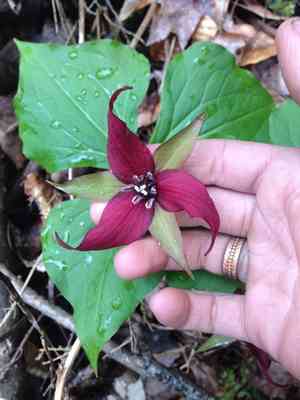
Quickly Identify Red trillium
Scientific Classification of Red trillium
Toxicity of Red trillium
Is Red trillium toxic to humans?
The red trillium is visually appealing yet emits a dreadful odor and, like all species within the *Trillium* genus, possesses toxic properties. While the degree of its toxicity is not extensively documented, it is known to contain saponins, particularly within its latex. The odor released from the latex can induce sneezing, while ingestion may lead to symptoms such as nausea, abdominal cramps, vomiting, and diarrhea. The full spectrum of its potential effects remains unclear at this time; however, due to its relation to various notably poisonous plants, it is advisable to exercise caution and avoid contact. Young children might be tempted to consume this plant, disregarding its foul scent and likely unpleasant flavor, thus it is imperative to keep it out of their reach until they are mature enough to recognize its dangers.
Is Red trillium toxic to cat?
Red trillium possesses a low level of toxicity for cats. If a cat consumes significant quantities of red trillium, it can be poisoned since every part of the plant is toxic to them. After ingestion, cats may exhibit signs of physical distress, which should be carefully observed. Should there be any suspicion that a cat has ingested red trillium, it is crucial for the owner to promptly seek treatment from a veterinary clinic to safeguard the well-being of the cat.
Is Red trillium toxic to dog?
Red trillium presents a mild toxicity risk to dogs. If ingested in significant quantities, canines may experience poisoning as a result. All components of red trillium—leaves, stems, flowers, and roots—are deemed toxic, implying that consuming any part of the plant could result in adverse effects. Signs of poisoning in dogs may encompass gastrointestinal distress such as vomiting and diarrhea, excessive lethargy, or drooling. Therefore, it is essential for dog owners to keep a vigilant eye on their pets and restrict access to red trillium, particularly if the dog has a penchant for chewing on foliage. Should a dog ingest red trillium, seeking prompt veterinary assistance is vital to ensure appropriate treatment and management of any symptoms.

