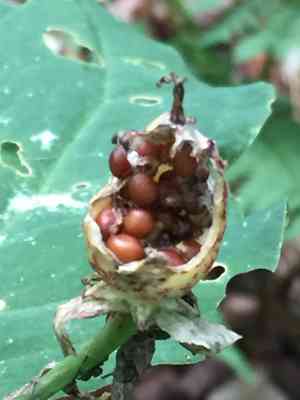
Painted trillium (Trillium undulatum)
Also known as: Striped Wake-Robin, Paint trillium
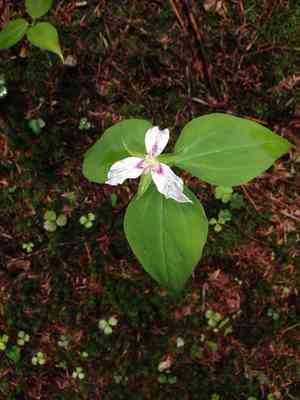
The painted trillium (Trillium undulatum) is a perennial wildflower that typically blooms in late spring. Its distinctive flowers feature three white petals with a striking red or purple center. The petals may exhibit subtle color changes as they mature.
**Key Characteristics:**
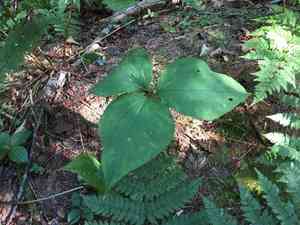
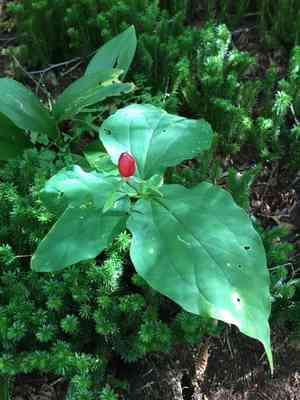
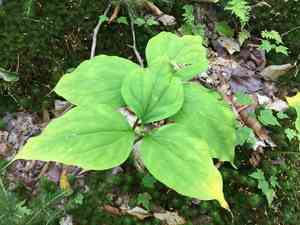
- **Leaves:** Arranged in a whorl of three, with a broad and pointed shape.
- **Flowers:** Initially white with a central red or purple splash, blooming mainly in late spring.
- **Height:** Generally reaches 8-16 inches.
**Growing Conditions:**
- **Light:** Thrives in partial to full shade.
- **Soil:** Prefers moist, well-drained, acidic soil rich in organic material.
- **Habitat:** Found in cool, temperate forests of eastern North America.
Though it thrives best in natural woodland settings, the painted trillium can be grown in shaded garden areas that mimic its native habitat.
Attributes of Painted trillium
Images of Painted trillium
Quickly Identify Painted trillium
Scientific Classification of Painted trillium
Planting and Growing of Painted trillium
 How to Water Painted trillium?
 What Are the Sunlight Requirements for Painted trillium?
 What Is the Ideal Temperature Range for Painted trillium?
 What Soil is Best for Painted trillium?
 How to Fertilize Painted trillium?
 How to Prune Painted trillium?
 How to Propagate Painted trillium plant?
 How to Repot Painted trillium plant?
Toxicity of Painted trillium
Is Painted trillium toxic to humans?
The painted trillium possesses toxic compounds found in its rhizomes, seeds, and fruit. Consumption of significant quantities can lead to severe abdominal discomfort due to steroidal saponins. Common symptoms include extended episodes of vomiting and diarrhea, accompanied by stomach cramps. The seeds housed within the fruit have the highest concentration of toxins, resulting in pronounced side effects for humans. While the berries and rhizomes contain lower levels of toxins, they remain undesirable for human consumption. The vibrant flowers and resulting fruit may attract young children, who are particularly vulnerable to poisoning due to their smaller body size and weight.



