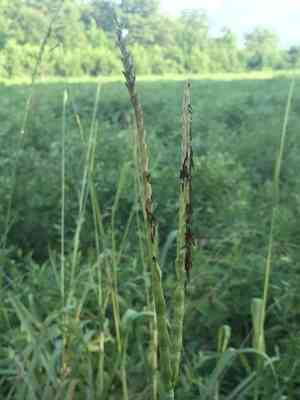
Eastern gamagrass (Tripsacum dactyloides)
Also known as: Eastern Gamagrass, Fakahatchee Grass
Eastern gamagrass (Tripsacum dactyloides) is a perennial, evergreen grass that blooms with yellow, orange, and red flowers from spring through summer, and yields brown fruit in the fall. It serves as a crucial food source and habitat for various small mammals, birds, and reptiles. This grass commonly thrives in areas such as roadsides, bogs, and ditches.
In This Article
Attributes of Eastern gamagrass
Lifespan
Perennial
Plant Type
Herb
Plant Height
1.2 m to 2.5 m
Spread
50 cm
Leaf Color
Green
Flower Size
10 cm to 30 cm
Flower Color
Purple Yellow Green Red Brown Orange
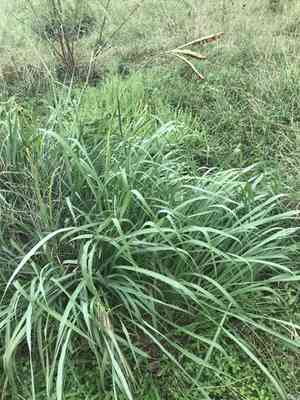
Images of Eastern gamagrass
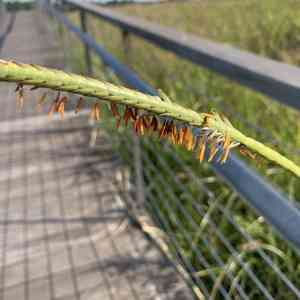
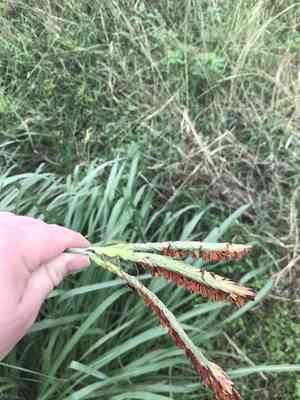
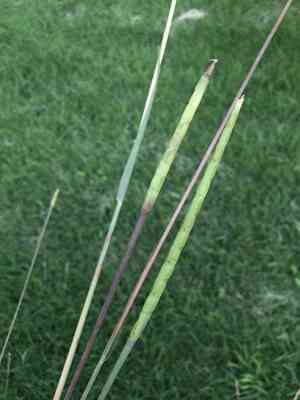
Quickly Identify Eastern gamagrass
1
Robust clumping growth reaching 3-6 feet (90-180 cm) in height.
2
Bluish-green, broad leaves up to 1 inch (2.5 cm) wide and 2 feet (60 cm) long.
3
Male spikes with three stamens and reddish anthers, distinct from female cylindrical spikes.
4
Erect, unbranched culms growing 4-6 feet (1.2-1.8 meters) tall, smooth and light green.
5
Arching, glabrous leaves with prominent white-yellowish midvein, 2-3 feet (60-90 cm) long.
Scientific Classification of Eastern gamagrass
Phylum
Vascular plants
Class
Monocotyledons
Order
Poales
Family
Grass
Genus
Gamagrasses
Species
Eastern gamagrass
Planting and Growing of Eastern gamagrass
Care Difficulty
Easy
Watering Schedule
Every 4 days
Sunlight Requirements
Full sun
Sunshine Duration
4-8 hours
Ideal Temperature
70-90℉
Soil Type
Potting Mix, Peat Mix
Soil pH
5.5-7.5
Fertilizer Type
Balanced
Pruning Season
Spring, Summer
Pruning Area
Branches, Leaves
Pruning Frequency
2 times a year
Repotting Season
Spring
Pot Type
Plastic, Ceramic
 How to Water Eastern gamagrass?
For Tripsacum dactyloides, it's crucial to water deeply but not too frequently. Give it about 500 milliliters each session, enough to keep the soil moist but not waterlogged. When watering, aim for even distribution to ensure that the roots receive adequate moisture, but avoid flooding the plant.
What are the symptoms of an underwatered Eastern gamagrass?
›
What should I do if my Eastern gamagrass is not getting enough water?
›
What are the symptoms of an overwatered Eastern gamagrass?
›
How to save an overwatered Eastern gamagrass?
›
 What Are the Sunlight Requirements for Eastern gamagrass?
Full sun to partial sun allows Tripsacum dactyloides to maximize photosynthetic activity, leading to robust growth, healthy foliage, and vibrant blooms.
More About Sunlight Requirements Techniques→
Optimal Sun Exposure
›
Sunlight Protection
›
Consistent Light Levels
›
 What Is the Ideal Temperature Range for Eastern gamagrass?
Tripsacum dactyloides thrives best between 70°F and 90°F. This range ensures optimal growth and photosynthesis. When temperatures fall within this ideal range, the grass exhibits robust growth and lush foliage. Monitoring and maintaining these conditions facilitate best results.
 What Soil is Best for Eastern gamagrass?
Tripsacum dactyloides thrives best in well-drained soil, which prevents waterlogging and root rot. This enhances nutrient uptake and ensures the plant remains healthy and robust, even during heavy rainy periods. This plant enjoys soils rich in organic matter, which provides essential nutrients for growth. Ample nutrients promote vigorous foliage and support the plant's resilience to pests and diseases. The soil should have the ability to retain some moisture without becoming waterlogged. This ensures that during dry spells, the plant has access to sufficient water, supporting its growth and development.
 How to Fertilize Eastern gamagrass?
For Tripsacum dactyloides, you should apply approximately 1 tablespoon of liquid fertilizer per square foot of soil for each application in the growing season. The use of balanced fertilizers in the ratio 10-10-10 is recommended. Adjust as necessary based on observed plant response.
 How to Prune Eastern gamagrass?
Using your clean, sharp shears, cut back any leaves or stalks that are overgrown or encroaching upon other plants. This will maintain an attractive, tidy appearance and prevent crowding. When trimming, aim to give the plant a pleasing shape. This ensures that light can penetrate all parts evenly, allowing for uniform growth and healthier foliage.
More About Pruning Techniques→
 How to Propagate Eastern gamagrass plant?
1
Collect mature seeds from the flower heads once they turn brown. Make sure the seeds are evenly dry before storing them in a cool, dark place until planting.
2
Prepare a well-draining soil mix that is rich in organic matter. Proper soil preparation is crucial to support seed germination and healthy root development.
3
Carefully dig up the clumps and separate them into smaller sections. Ensure each section has roots and at least one growing shoot for successful transplantation.
 How to Repot Eastern gamagrass plant?
1
Watch for signals like roots emerging from drainage holes, sluggish growth, or compacted soil. These are surefire indicators that it's time for a change. Ideally, repot Tripsacum dactyloides during spring or autumn to minimize stress.
2
Opt for a pot that's 1-2 inches larger in diameter than the current one. This allows the roots to expand without causing water retention. Terra cotta pots are excellent for moisture regulation, promoting healthier root growth.
3
Select a well-draining loamy soil mix to ensure optimal drainage and aeration. This type of soil promotes healthy root development while preventing waterlogging, which can lead to root rot.



