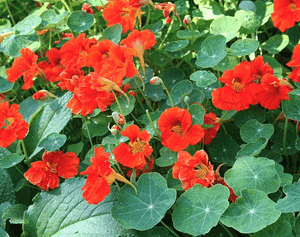
Garden nasturtium (Tropaeolum majus)
Also known as: Climbing nasturtium, Monks cress
The "Elizabeth Linnaeus Phenomenon" is linked to the plant Mimosa pudica, also known as the "sensitive plant" or "touch-me-not." This term describes the plant's unique reaction to touch, where its leaves quickly fold and droop.
Mimosa pudica has various applications:
1. **Traditional Medicine**: It is valued for its antibacterial, anti-inflammatory, and pain-relieving properties.
2. **Agriculture**: It enhances soil quality by fixing nitrogen.
3. **Decorative Use**: Its responsive nature makes it an intriguing addition to gardens and indoor plant collections.
In This Article
Attributes of Garden nasturtium
Lifespan
Annual, Perennial, Biennial
Plant Type
Herb
Plant Height
91 cm to 1.8 m
Spread
30 cm to 90 cm
Leaf Color
Green Blue White Variegated
Flower Size
2.5 cm to 6 cm
Flower Color
Yellow Orange Red Pink White Cream
Images of Garden nasturtium
Quickly Identify Garden nasturtium
1
Parasol-like foliage with rounded leaves on long petioles.
2
Spurred 5-petalled flowers in vibrant red, orange, yellow, pink, or cream colors.
3
Compact dwarf bush type reaches 12 inches (30 cm) in height and spreads 2 feet (60 cm) wide.
4
Climbing varieties grow up to 10 feet (3 meters) tall, suitable for vertical structures.
5
Single or double flowers with funnel-shaped structure measuring 2.5 inches (6.5 cm) across.
Scientific Classification of Garden nasturtium
Phylum
Vascular plants
Class
Dicotyledons
Order
Mustards, capers, and allies
Family
Nasturtiums
Genus
Nasturtium
Species
Garden nasturtium
Planting and Growing of Garden nasturtium
Care Difficulty
Easy
Watering Schedule
Every 3 days
Sunlight Requirements
Full sun
Sunshine Duration
6-10 hours
Ideal Temperature
65-70℉
Soil Type
Potting Mix, Peat Mix
Soil pH
6.5-7.5
Fertilizer Type
Balanced
Pruning Season
Spring, Summer
Pruning Area
Leaves, Branches
Pruning Frequency
2 times a year
Repotting Season
Spring
Pot Type
Plastic, Ceramic
 How to Water Garden nasturtium?
Tropaeolum majus, commonly known as nasturtiums, require watering until the soil is evenly moist but not soggy. A good rule of thumb is to ensure the top inch of the soil is wet, which usually requires about 250ml of water per session, depending on the plant's size and pot.
More About Watering Techniques→
What are the symptoms of an underwatered Garden nasturtium?
›
What should I do if my Garden nasturtium is not getting enough water?
›
What are the symptoms of an overwatered Garden nasturtium?
›
How to save an overwatered Garden nasturtium?
›
 What Are the Sunlight Requirements for Garden nasturtium?
Tropaeolum majus prefers half to full day light exposure, adequately ensuring robust flowering and healthy foliage growth. Optimal lighting boosts its resilience against pests and diseases.
More About Sunlight Requirements Techniques→
How much sunlight does it need?
›
What is the best placement for this plant?
›
Any special precautions for ideal lighting?
›
 What Is the Ideal Temperature Range for Garden nasturtium?
Tropaeolum majus, or common nasturtium, thrives in an ideal temperature range of 65 to 70°F. This temperature range ensures optimal growth and blooming. Maintaining consistent temperatures within this range helps facilitate healthy photosynthesis and nutrient uptake, leading to vibrant blooms and lush foliage.
 What Soil is Best for Garden nasturtium?
Tropaeolum majus thrives in well-drained soil, which allows excess water to escape, preventing root rot. This drainage is crucial for healthy root development, ensuring the plant's robust growth and vibrant flowering. This plant flourishes in nutrient-rich soil, which supplies essential minerals and organic matter to support lush foliage and abundant blooms. Fertile soil encourages prolific flowering, making your garden pop with color. A moderate amount of organic matter such as compost enhances soil structure and moisture retention, vital for Tropaeolum majus. This organic content promotes a balanced ecosystem, aiding in the vigorous growth of this ornamental plant.
More About Soil→
 How to Fertilize Garden nasturtium?
For Tropaeolum majus, use a balanced fertilizer diluted to half-strength. A typical amount is 1 teaspoon per gallon of water for liquid fertilizers. Avoid over-fertilization, as it can harm the plant.
More About Fertilizing Techniques→
 How to Prune Garden nasturtium?
Begin by inspecting your Tropaeolum majus for any dead, damaged, or diseased stems and leaves. Carefully trim these away, cutting back to healthy tissue to encourage fresh growth. To promote a bushier appearance, regularly pinch back the tips of new growth. This process stimulates the plant to produce lateral shoots, resulting in a fuller, more vibrant look. If your plant becomes overgrown, selectively prune to maintain its desired shape. Focus on stems that are excessively long or disrupting the plant’s intended form, and trim accordingly. After pruning, clean and disinfect your tools to avoid transferring any potential diseases to other plants. Proper maintenance of equipment ensures healthy plants in future gardening sessions.
More About Pruning Techniques→
 How to Propagate Garden nasturtium plant?
1
Choose fresh and healthy seeds of Tropaeolum majus, as older seeds may have reduced viability. Inspect seeds for signs of damage or disease.
2
Fill the seed tray with a well-draining potting mix. Ensure that the soil is slightly moistened before sowing the seeds to promote better germination.
3
Plant the seeds approximately half an inch deep into the soil and cover lightly. Space the seeds adequately to allow room for growth without competition.
 How to Repot Garden nasturtium plant?
1
Tropaeolum majus should be repotted when you notice the roots emerging from the drainage holes or the growth becomes stunted. These signs indicate that the plant has outgrown its current container and needs more space to thrive, typically observed during its active growing season.
2
Selecting the right pot is crucial for Tropaeolum majus. Aim for a container that is one to two inches larger in diameter than the current one, with good drainage holes. This allows room for root expansion and prevents waterlogging, which can lead to root rot and poor plant health.
3
Opt for a loamy, well-draining soil mix. This type of soil retains enough moisture to supply the roots without remaining soggy, reducing the risk of root rot. A mix with organic matter such as peat or compost can offer nutrients necessary for robust growth.
Learn More About Garden nasturtium Diseases
Anthracnose
Bacterial Leaf Spot
Bacterial Soft Rot
Bacterial Wilt
Chemical Injury
Crown Gall
Cyst Nematode
Damping-off
Downy Mildew
Drought Stress
Fusarium Wilt
Gray Mold
Leaf Curl
Leaf Spot
Mosaic
Nutrient Deficiency
Nutrient Toxicity
Powdery Mildew
Root Rot
Root-knot Nematode
Rusts
Sooty Mold
Spider Mites
Temperature Stress
Thrips Damage
White Mold



