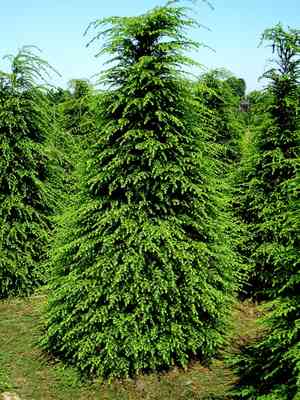
Eastern hemlock (Tsuga canadensis)
Also known as: Eastern hemlock- spruce, Common hemlock
The Eastern hemlock, also known as Tsuga canadensis, is a slow-growing tree that can take up to 300 years to fully mature. Given the right conditions, it may live for an additional century. This impressive evergreen is also referred to as hemlock spruce or Canada hemlock.
In This Article
Attributes of Eastern hemlock
Lifespan
Perennial
Plant Type
Tree
Plant Height
31 m to 53 m
Spread
7 m to 11 m
Leaf Color
Green Yellow
Flower Size
2.5 cm
Flower Color
Yellow Green Red
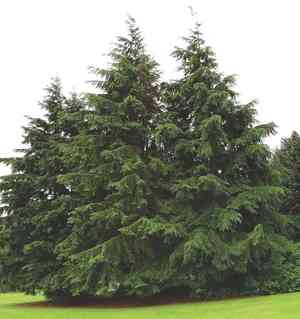
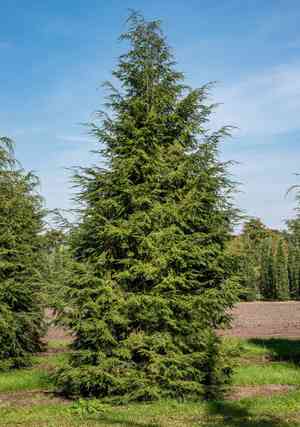
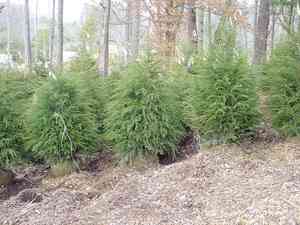
Images of Eastern hemlock
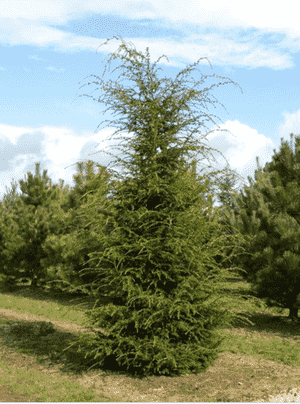
Quickly Identify Eastern hemlock
1
Linear green needles spirally arranged in flat planes with two pale bands on the underside.
2
Brown ovoid cones, 0.75 inches (1.9 cm) long, hanging gracefully from twig tips.
3
Fruit starts as green, oval cone, matures to brown, 3/4-inch long (1.9 cm) with open scales.
4
Small glossy needles, 0.5 inches (1.3 cm) long with white undersides and dentate margins.
5
Slender gray-brown stems with fuzzy texture, delicate branching patterns, and small buds.
Scientific Classification of Eastern hemlock
Phylum
Vascular plants
Class
Conifers
Order
Pines and allies
Family
Pine
Genus
Hemlocks
Species
Eastern hemlock
Planting and Growing of Eastern hemlock
Care Difficulty
Hard
Watering Schedule
Every 3 days
Sunlight Requirements
Full shade
Sunshine Duration
4-8 hours
Ideal Temperature
60-75℉
Soil Type
Potting Mix, Peat Mix
Soil pH
4.5-6
Fertilizer Type
Balanced
Pruning Season
Spring, Summer
Pruning Area
Branches, Leaves
Pruning Frequency
2 times a year
Repotting Season
Spring
Pot Type
Ceramic, Plastic
 How to Water Eastern hemlock?
Water your Tsuga canadensis deeply, ensuring the soil is evenly moist but not soggy. This evergreen thrives when the top 5-7 cm of soil remains moderately moist. The 500ml per session should suffice, soaking the soil but avoiding waterlogging. Aim for soil moisture that allows for aeration while keeping roots happy.
What are the symptoms of an underwatered Eastern hemlock?
›
What should I do if my Eastern hemlock is not getting enough water?
›
What are the symptoms of an overwatered Eastern hemlock?
›
How to save an overwatered Eastern hemlock?
›
 What Are the Sunlight Requirements for Eastern hemlock?
Partially shaded conditions with dappled sunlight offer the best environment for Tsuga canadensis. This light range supports photosynthesis without risking the adverse effects of excessive light, promoting healthier growth and resilience.
More About Sunlight Requirements Techniques→
Preferred Environment
›
Solution for Ideal Conditions
›
Benefits of Ideal Lighting
›
 What Is the Ideal Temperature Range for Eastern hemlock?
The ideal temperature range for Tsuga canadensis, commonly known as Eastern Hemlock, is between 60°F and 75°F. This range provides the optimal conditions for growth and health, allowing the plant to maintain its vibrant green foliage and resilience.
 What Soil is Best for Eastern hemlock?
Tsuga canadensis thrives in soil that holds moisture well, allowing for consistent hydration without waterlogging. This is essential as it helps the plant maintain a steady nutrient intake and prevents drought stress, keeping the foliage vibrant and healthy. While the soil needs to retain moisture, it should also be well-drained to avoid root rot. This requirement ensures that excess water is efficiently drained away from the root zone, promoting healthy root systems and preventing fungal diseases that thrive in overly wet conditions. The plant prefers a nutrient-rich soil environment which supplies essential minerals and organic matter. This requirement supports robust growth, resulting in denser foliage and more resilient trees that are less prone to diseases and pests.
 How to Fertilize Eastern hemlock?
The fertilization for Tsuga canadensis should be balanced and modest. Typically, a well-diluted liquid fertilizer should be applied during the growing season. For slow-release fertilizers, use a quantity that aligns with the manufacturer's instructions, generally not exceeding the recommended amount to avoid over-fertilization.
 How to Prune Eastern hemlock?
Begin by inspecting the tree for any dead or diseased branches, which should be removed first. Use sharp pruning shears to make clean cuts just above a healthy bud or lateral branch. Trim to enhance the tree’s natural shape, ensuring light penetration and air circulation within the canopy. To maintain the graceful, pyramidal shape typical of the Eastern Hemlock, selectively cut back longer branches. Focus on maintaining balance and symmetry, removing no more than a third of the foliage in a single session to avoid stress.
More About Pruning Techniques→
 How to Propagate Eastern hemlock plant?
1
Collect seeds from mature Tsuga canadensis cones in the autumn when the cones begin to open. Ensure that the seeds are harvested before dispersal, and store them in a cool, dry place until spring.
2
Select semi-hardwood cuttings from the current year's growth during the spring. Cut 4 to 6 inches long sections, ensuring they have a couple of leaves attached. Remove the lower leaves before planting.
3
Grafting is typically done in early spring. Select compatible rootstock and scion wood, making precise cuts to ensure a good fit. Secure the graft with grafting tape, and monitor the union for successful growth.
 How to Repot Eastern hemlock plant?
1
Repot Tsuga canadensis when you notice the roots circling the pot or emerging from drainage holes. Another signal is a clear slowdown in growth, indicating that the plant has outgrown its current container. These signs are crucial indicators that it's time to consider repotting.
2
Select a pot that is one size larger than the current one, ensuring it has good drainage holes. A slightly larger pot encourages root growth while also allowing for adequate space for soil, which helps with nutrient retention and moisture regulation.
3
Opt for a soil mix that is acidic and well-draining. A mixture containing peat moss, bark, and perlite is ideal, as it mimics the natural habitat of Tsuga canadensis by providing adequate drainage while retaining enough moisture and nutrients.



