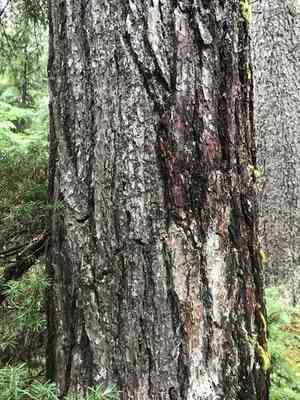
Mountain hemlock (Tsuga mertensiana)
Also known as: Hemlock spruce, Patton Spruce, Western Hemlock
Mountain hemlock (*Tsuga mertensiana*) is an evergreen conifer known for its small, purple-hued seed cones. It thrives in cool, moist environments with well-drained, acidic soils. This tree favors partial shade and is well-suited to colder climates with short growing seasons and long winters.
In This Article
Attributes of Mountain hemlock
Lifespan
Perennial
Plant Type
Tree
Plant Height
15 m
Spread
6 m
Leaf Color
Blue Green Silver Gray
Flower Size
N/A
Flower Color
N/A
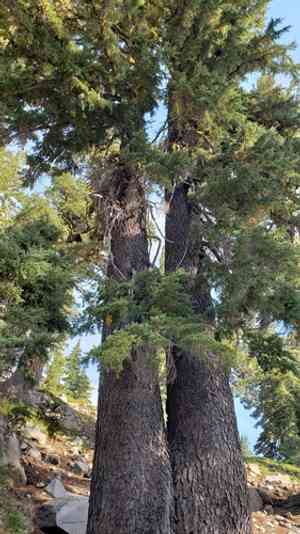
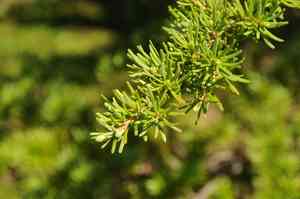
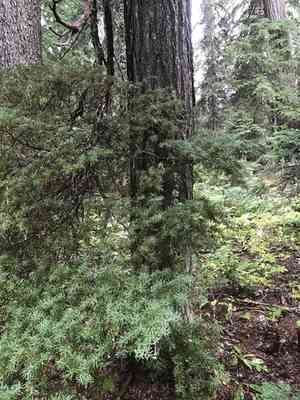
Images of Mountain hemlock
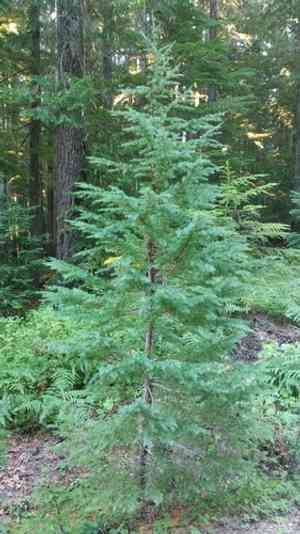
Quickly Identify Mountain hemlock
1
Narrow, conical to pyramidal canopy with upward tilting tips.
2
Distinctive greenish-blue to silver-green needle color in a bottle brush formation.
3
Elongated seed cones transitioning from purple to grayish-brown, measuring 3 inches (7.6 cm) in length.
4
Needle-like leaves, 0.5 to 0.75 inches (1.3 to 1.9 cm) long, resembling a bottle brush.
5
Bark shifting from grayish-black to reddish-brown, featuring fissures and scales.
Scientific Classification of Mountain hemlock
Phylum
Vascular plants
Class
Conifers
Order
Pinales
Family
Pine
Genus
Hemlocks
Species
Mountain hemlock
Planting and Growing of Mountain hemlock
Care Difficulty
Moderate
Watering Schedule
Every 3 days
Sunlight Requirements
Full sun
Sunshine Duration
4-8 hours
Ideal Temperature
40-60℉
Soil Type
Potting Mix, Peat Mix
Soil pH
5-6.5
Fertilizer Type
Balanced
Pruning Season
Spring, Summer
Pruning Area
Branches, Leaves
Pruning Frequency
2 times a year
Repotting Season
Spring
Pot Type
Plastic, Ceramic
 How to Water Mountain hemlock?
Water Tsuga mertensiana with about 1000 ml until the soil is evenly moist but not soggy. It's important that water reaches the root zone without flooding, ensuring the roots can absorb moisture effectively.
What are the symptoms of an underwatered Mountain hemlock?
›
What should I do if my Mountain hemlock is not getting enough water?
›
What are the symptoms of an overwatered Mountain hemlock?
›
How to save an overwatered Mountain hemlock?
›
 What Are the Sunlight Requirements for Mountain hemlock?
Partial to full sun conditions are ideal for Tsuga mertensiana. Proper light not only encourages dense needle growth but also supports overall health and resilience, ensuring a robust and attractive specimen.
More About Sunlight Requirements Techniques→
What is the ideal lighting condition for Tsuga mertensiana?
›
How can you ensure Tsuga mertensiana gets the ideal lighting?
›
What are the benefits of optimal lighting for Tsuga mertensiana?
›
 What Is the Ideal Temperature Range for Mountain hemlock?
The ideal temperature range for Tsuga mertensiana hovers between 40°F and 60°F. Within this range, the mountain hemlock experiences optimal physiological processes such as photosynthesis and nutrient absorption. These temperatures replicate the cool, moist environments of its native mountainous habitats, ensuring robust growth. The range prevents cellular stress, enabling enzyme activity essential for growth. Thus, maintaining this particular temperature range ensures the tree's vigor and long-term health.
 What Soil is Best for Mountain hemlock?
Tsuga mertensiana thrives best in soils that retain moisture without becoming waterlogged. This is crucial as it enables the roots to absorb sufficient water for growth, especially in drier periods. The soil must provide ample nutrients, particularly nitrogen and phosphorus. These elements support Tsuga mertensiana's foliage development and overall health, ensuring a vibrant, lush appearance. This hemlock prefers slightly acidic soils, as such conditions enhance nutrient uptake and microbial activity in the soil, promoting vigorous growth and resilience against diseases.
 How to Fertilize Mountain hemlock?
Tsuga mertensiana, also known as the mountain hemlock, benefits from a balanced fertilizer with a 10-10-10 NPK ratio. When using liquid fertilizer, apply approximately 1/2 cup per gallon of water. For slow-release fertilizers, use about 1/4 pound per inch of trunk diameter annually.
 How to Prune Mountain hemlock?
Start by examining the overall shape and structure of the tree. Identify branches that cross each other or grow inward, as these should be the first to be pruned to maintain open and healthy growth. First, cut away any dead, damaged, or diseased branches. These can harbor pests or diseases and should be removed to improve air circulation and light penetration. If areas of the tree are too dense, thin them out by selectively removing smaller branches. This improves airflow within the tree and allows for better light penetration, which promotes overall plant health. Shape the tree by slightly trimming overlong tips to maintain its natural form. Tsuga mertensiana has a graceful appearance, so aim to retain its elegant silhouette while ensuring balanced growth.
More About Pruning Techniques→
 How to Propagate Mountain hemlock plant?
1
Seeds should be collected from mature cones during late summer when they begin to open. Ensure seeds are fully ripened for the best germination results.
2
For seed propagation, prepare a mix of peat and sand to ensure good drainage. For cutting propagation, a mix of perlite and peat is ideal.
3
Sow seeds or insert cuttings into the prepared medium. Keep conditions consistently moist and under filtered light to promote growth.
 How to Repot Mountain hemlock plant?
1
Tsuga mertensiana typically needs repotting when you observe root-bound conditions or noticeable decline in growth rate. Early spring or autumn is ideal, as the plant enters a period of more active root development.
2
Select a pot that is slightly larger than the current one, ensuring it has drainage holes to prevent waterlogging. A larger pot allows more room for root expansion, thus promoting healthier growth and better nutrient uptake.
3
Opt for well-draining, slightly acidic soil to align with Tsuga mertensiana's natural habitat. This promotes root health, prevents compaction, and facilitates appropriate moisture levels critical for sustained growth.



