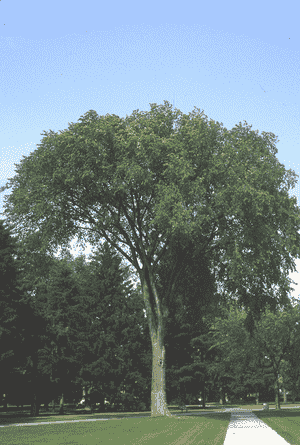
American elm (Ulmus americana)
Also known as: Water elm
The American elm (Ulmus americana) is a deciduous tree that thrives in diverse habitats. You can find it in floodplains, along riverbanks, in bottomlands, and on well-drained moist soils. It also adapts well to urban settings, making it a common choice for streets and parks. Historically, it was a prevalent species in North America until Dutch elm disease significantly reduced its population in the mid-20th century.
In This Article
Attributes of American elm
Lifespan
Perennial
Plant Type
Tree
Plant Height
18 m to 35 m
Spread
12 m to 21 m
Leaf Color
Green Yellow
Flower Size
2.5 cm
Flower Color
Green Red
Images of American elm
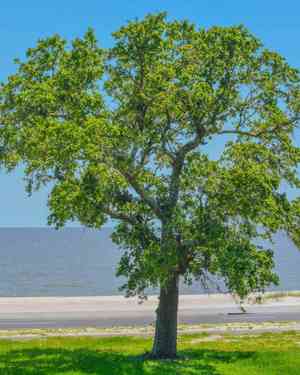
Quickly Identify American elm
1
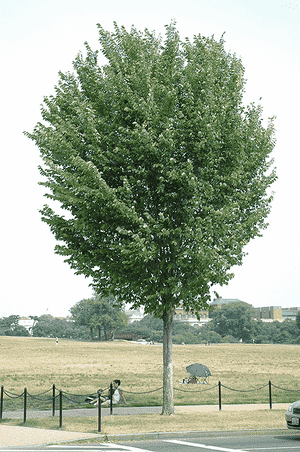
Vase-like tree, 18-24 meters (60-80 feet) tall with spread of 9-18 meters (30-60 feet).
2
Dark gray bark with interwoven, flat ridges; smooth brown stems with green leaves.
3
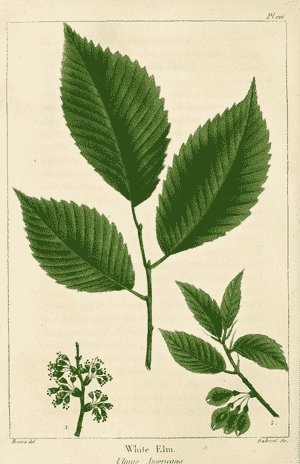
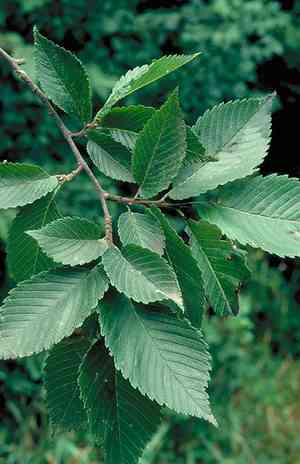
Ovate-elliptic rough-textured leaves, 4-6 inches (10-15 cm) long, toothed margins.
4
Greenish-red flowers in clusters of 3-4, 0.1 inches (2.5 mm) across, blooming in early spring.
5
Samaras with thin papery wing, greenish to tan, aiding wind dispersal, abundant in April-May.
Scientific Classification of American elm
Phylum
Vascular plants
Class
Dicotyledons
Order
Rosales
Family
Elm
Genus
Elms
Species
American elm
Planting and Growing of American elm
Care Difficulty
Moderate
Watering Schedule
Every 4 days
Sunlight Requirements
Full sun
Sunshine Duration
6-10 hours
Ideal Temperature
60-75℉
Soil Type
Potting Mix, Peat Mix
Soil pH
6.5-8
Fertilizer Type
Balanced
Pruning Season
Spring, Summer
Pruning Area
Branches, Leaves
Pruning Frequency
2 times a year
Repotting Season
Spring
Pot Type
Plastic, Ceramic
 How to Water American elm?
When watering Ulmus americana, it is essential to ensure that the soil is adequately moist but not waterlogged. The amount should be around 1500 milliliters per watering session. This ensures the roots receive ample moisture without being suffocated. Always water until you observe a slight drainage from the bottom of the pot, which indicates that the roots have been well reached.
More About Watering Techniques→
What are the symptoms of an underwatered American elm?
›
What should I do if my American elm is not getting enough water?
›
What are the symptoms of an overwatered American elm?
›
How to save an overwatered American elm?
›
 What Are the Sunlight Requirements for American elm?
Ulmus americana thrives best in full to partial sun, which means it should be exposed to direct sunlight for at least six to eight hours a day. Adequate sun exposure fosters optimal growth, robust foliage, and enhances disease resistance.
More About Sunlight Requirements Techniques→
What is the ideal location for sunlight?
›
How can one achieve the best sunlight exposure?
›
What are the benefits of ideal sunlight conditions?
›
 What Is the Ideal Temperature Range for American elm?
The ideal temperature range for Ulmus americana, also known as American Elm, is between 60°F and 75°F. Within this range, the tree is able to maximize its growth and maintain its health. These temperatures support strong photosynthesis activity and ensure that the enzymes and metabolic processes within the plant function optimally.
 What Soil is Best for American elm?
Ulmus americana thrives in well-draining loamy soil, which provides an ideal balance of moisture retention and aeration. This type of soil helps prevent root rot and supports vigorous growth, ensuring a strong and healthy tree. This species benefits from moderate soil fertility, where nutrients facilitate consistent growth without overwhelming the plant. Adequate nutrient availability leads to robust foliage and structural stability. While Ulmus americana is adaptable, it prefers soils that retain some moisture without becoming waterlogged. Sufficient moisture supports hydration and nutrient uptake, promoting resilience against drought stress.
More About Soil→
 How to Fertilize American elm?
For Ulmus americana, the fertilizer should be applied moderately to prevent root damage. Use around 1 pound of a balanced 10-10-10 NPK fertilizer per inch of trunk diameter for solid fertilizers. Liquid fertilizers should be diluted to half-strength to prevent leaf burn.
More About Fertilizing Techniques→
 How to Prune American elm?
Begin trimming from the base of the tree, removing any suckers or low-hanging branches that could interfere with the tree's upward growth. Trim the canopy lightly to improve air circulation and sunlight penetration. Remove any crossing branches that may rub against each other and cause damage. Prune to shape by keeping the central leader dominant and ensuring lateral branches are spaced appropriately to create a well-balanced canopy.
More About Pruning Techniques→
 How to Propagate American elm plant?
1
Collect seeds from mature American Elm trees in autumn. Ensure that the seeds are fully mature by observing their color and firmness. Store seeds in a cool, dry place if immediate sowing is not possible.
2
Select healthy, disease-free branches for cuttings. Cut sections approximately 6-12 inches long using clean pruning shears. Ensure cuttings have at least a few nodes where roots can develop.
3
For grafting, use compatible rootstock to ensure better success rates. Carefully slice the rootstock and scion for a snug fit. Secure them tightly with grafting tape and regularly check for successful union.
 How to Repot American elm plant?
1
Repotting American Elm should be considered when roots start circling the pot, or if the soil drains too quickly, indicating the roots are consuming all available space. These are signs the plant demands more room to thrive.
2
Select a pot that's one size larger to give roots ample space to expand while still providing stability. A pot too large may cause overwatering, while a smaller one can constrict growth, so balance is key.
3
Opt for a well-draining potting mix that includes organic matter like peat and compost. This mix provides nutrients and ensures good drainage, preventing root rot while supporting healthy growth.



