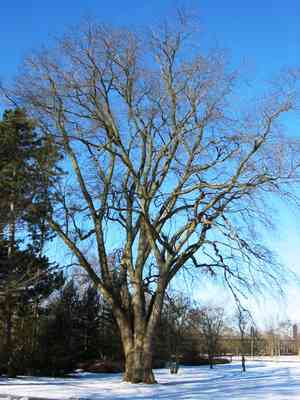
Wych elm (Ulmus glabra)
Also known as: Scotch elm, Table-top Scotch elm
The wych elm (Ulmus glabra) has seen a significant decline due to the ravaging effects of Dutch elm disease. The white-letter hairstreak butterfly, whose caterpillars feed on this tree, is also suffering as a result. Additionally, elm trees were once thought to possess the magical ability to induce prophetic dreams in medieval times.
In This Article
Attributes of Wych elm
Lifespan
Perennial
Plant Type
Tree
Plant Height
40 m
Spread
15 m to 18 m
Leaf Color
Green Yellow
Flower Size
2.5 cm
Flower Color
Red Brown Green
Images of Wych elm
Quickly Identify Wych elm
1
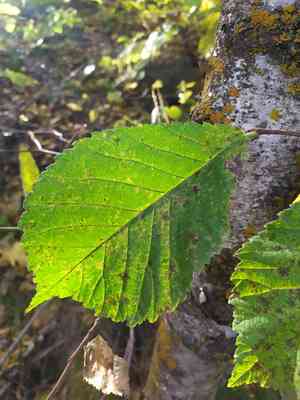
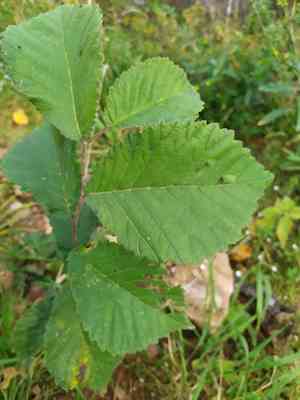
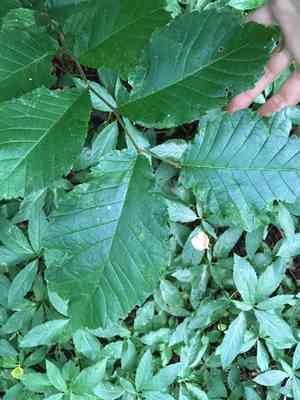
Distinct oblong, dark green leaves with doubly dentate margins, 3-6 inches (7.5-15 cm) long.
2
Branching pattern of slender, ash-gray to red-brown twigs with slightly hairy texture.
3
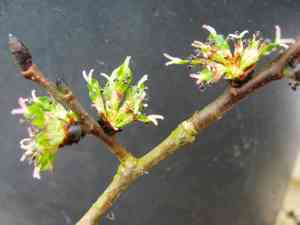
Reddish-green non-showy flowers lacking petals, clustered, 0.2 inches (5 mm) in diameter.
4
Flat, papery samaras with subtle vein patterns and winged structure, 0.8-1 inch (20-25 mm) long.
5
Trunk transitioning from smooth bark in youth to deeply furrowed textures in maturity, up to 3 feet (90 cm) in diameter.
Scientific Classification of Wych elm
Phylum
Vascular plants
Class
Dicotyledons
Order
Roses, elms, figs, and allies
Family
Elm
Genus
Elms
Species
Wych elm
Planting and Growing of Wych elm
Care Difficulty
Easy
Watering Schedule
Every 8 days
Sunlight Requirements
Partial sun
Sunshine Duration
6-12 hours
Ideal Temperature
50-75℉
Soil Type
Potting Mix, Peat Mix
Soil pH
6-7.5
Fertilizer Type
Balanced
Pruning Season
Spring, Summer
Pruning Area
Branches, Leaves
Pruning Frequency
2 times a year
Repotting Season
Spring
Pot Type
Plastic, Terracotta
 How to Water Wych elm?
The watering amount for Ulmus glabra should be around 500 ml. This amount ensures that the water reaches the root zone without causing waterlogging. Always allow the top inch of the soil to dry out before watering again, as this helps prevent root rot and simulates the natural environment where the tree grows.
More About Watering Techniques→
What are the symptoms of an underwatered Wych elm?
›
What should I do if my Wych elm is not getting enough water?
›
What are the symptoms of an overwatered Wych elm?
›
How to save an overwatered Wych elm?
›
 What Are the Sunlight Requirements for Wych elm?
Ulmus glabra ideally grows in conditions that mimic partial to full sun exposure, supporting its photosynthesis needs and encouraging healthy, vigorous growth, leading to resilience against environmental stresses.
More About Sunlight Requirements Techniques→
How much light is ideal for Ulmus glabra?
›
What are the solutions for providing ideal light to Ulmus glabra?
›
What benefits come from Ulmus glabra receiving ideal light?
›
 What Is the Ideal Temperature Range for Wych elm?
The ideal temperature range for Ulmus glabra, commonly known as Wych Elm, is between 50°F and 75°F. This range provides the best conditions for its growth, allowing the tree to thrive. Maintaining temperatures within this range helps in ensuring robust leaf and wood growth, vital for the tree’s overall health and development.
 What Soil is Best for Wych elm?
Ulmus glabra thrives in soil that is well-drained as it helps prevent waterlogging, which can be detrimental to root health. Ensuring good drainage promotes robust root growth and healthy overall development of the tree. Rich, fertile soil is vital for Ulmus glabra to ensure it receives the necessary nutrients for optimal growth. A nutrient-rich medium supports vigorous foliage development and enhances the tree's resilience to pests and diseases. This species prefers soil that maintains moderate moisture levels, without being overly wet or dry. Balanced moisture supports steady growth and helps the tree withstand periods of drought or excessive rainfall.
More About Soil→
 How to Fertilize Wych elm?
When fertilizing Ulmus glabra, use a balanced fertilizer like a 10-10-10 or 20-20-20 mix. Apply at a rate of 1 pound per inch of trunk diameter for mature trees. For younger trees, half this amount is sufficient. Spread the fertilizer evenly under the tree's dripline and water thoroughly after application to ensure absorption.
More About Fertilizing Techniques→
 How to Prune Wych elm?
Begin by removing any dead, diseased, or damaged branches using clean, sharp pruning tools. Make cuts just outside the branch collar to ensure proper healing. Focus on maintaining a balanced shape by thinning out crowded areas and crossing branches. Prune larger limbs gradually to avoid stressing the tree, and always step back to check the overall symmetry. To promote healthy growth, identify and remove suckers and water sprouts, which are rapidly growing shoots. Focus on opening up the tree's canopy by removing branches that prevent air circulation and light penetration. This practice not only enhances the aesthetic appearance but also reduces the risk of fungal infections.
More About Pruning Techniques→
 How to Propagate Wych elm plant?
1
Choose a healthy stem from the parent tree, ideally one that is semi-hardwood and disease-free, with a length of 6-8 inches for optimal success.
2
Remove leaves from the lower half of the cutting and score the base lightly to encourage root growth before dipping it into rooting hormone.
3
Insert the treated cutting into a well-draining soil mix, ensuring it is stable and in a position to receive indirect sunlight and adequate humidity.
 How to Repot Wych elm plant?
1
Ulmus glabra commonly requires repotting when its roots outgrow the current pot or become matted and bound. Watch for signs like slower growth, roots emerging from drainage holes, or difficulty in retaining water.
2
Select a pot that is 2 inches larger in diameter than the existing one. A larger pot gives the roots more room to grow, which aids in the robust development of the tree while ensuring better nutrient and water access.
3
Opt for a loamy, well-drained soil mix. This type of soil balances moisture retention and drainage, essential for Ulmus glabra's health, preventing waterlogging while ensuring the tree has ample nutrients.



