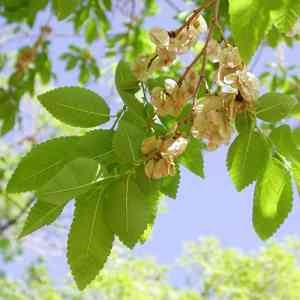
Siberian elm (Ulmus pumila)
Also known as: Smooth-leaved elm, Dwarf elm
The Tree of Heaven (Ailanthus altissima) is a recently introduced deciduous plant in Southern Europe, originally from Asia. Known for its invasive nature, it quickly resprouts from its roots. It is often used for windbreaks and soil erosion control. Additionally, this hardy plant can thrive in saline or polluted soils.
In This Article
Attributes of Siberian elm
Lifespan
Perennial
Plant Type
Tree
Plant Height
25 m
Spread
12 m to 21 m
Leaf Color
Green Blue Yellow
Flower Size
3 mm
Flower Color
Red
Images of Siberian elm
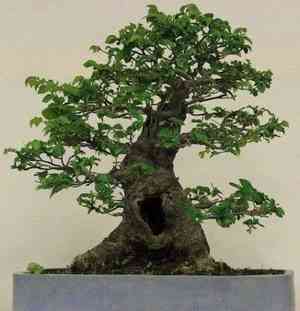
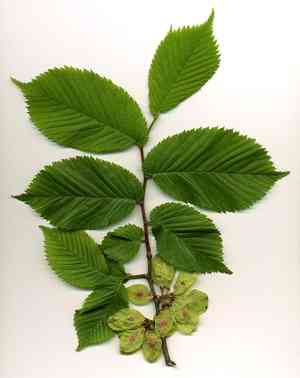
Quickly Identify Siberian elm
1
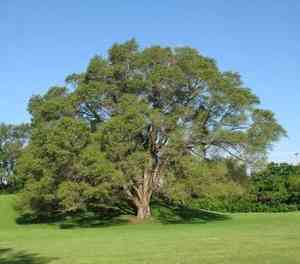
Distinctive vase-shaped crown at 50-70 feet (15-21 meters) height and 35-50 feet (11-15 meters) breadth.
2
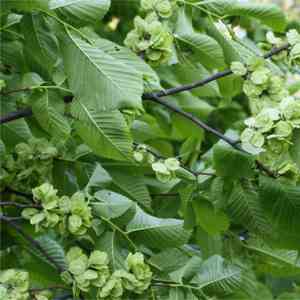
Oblique, ovate to lanceolate leaves with doubly serrate margins; dark green above, pale green below.
3
Inconspicuous drooping flowers in light green to reddish clusters before leaf bloom.
4
Round, winged samara fruit of 0.5-1 inch (1.27-2.54 cm) diameter maturing to hard brown.
5
Silver-gray zig-zag stem with scattered lenticels and winter buds; distinctive bark texture and coloration.
Scientific Classification of Siberian elm
Phylum
Vascular plants
Class
Dicotyledons
Order
Roses, elms, figs, and allies
Family
Elm
Genus
Elms
Species
Siberian elm
Planting and Growing of Siberian elm
Care Difficulty
Easy
Watering Schedule
Every 2 days
Sunlight Requirements
Full sun
Sunshine Duration
6-12 hours
Ideal Temperature
60-75℉
Soil Type
Potting Mix, Peat Mix
Soil pH
6.5-7.5
Fertilizer Type
Balanced
Pruning Season
Spring, Summer
Pruning Area
Branches, Leaves
Pruning Frequency
2 times a year
Repotting Season
Spring
Pot Type
Plastic, Ceramic
 How to Water Siberian elm?
Ulmus pumila thrives when watered moderately. Aim for about 500ml per session, ensuring the soil is moist but not waterlogged. The soil should be allowed to dry slightly between waterings to mimic the plant's natural environment.
More About Watering Techniques→
What are the symptoms of an underwatered Siberian elm?
›
What should I do if my Siberian elm is not getting enough water?
›
What are the symptoms of an overwatered Siberian elm?
›
How to save an overwatered Siberian elm?
›
 What Are the Sunlight Requirements for Siberian elm?
Ulmus pumila prefers full to partial sun, ideally 6-12 hours. Adequate sunlight ensures optimal growth, effective photosynthesis, and overall robust health of the plant.
More About Sunlight Requirements Techniques→
What is the best light exposure?
›
How to achieve ideal lighting?
›
What benefits does ideal lighting provide?
›
 What Is the Ideal Temperature Range for Siberian elm?
Ulmus pumila thrives best within temperatures ranging from 60°F to 75°F. This range facilitates optimal growth and development, ensuring that the plant's metabolic processes are operating efficiently. Maintaining this temperature range helps the plant in nutrient uptake and overall health maintenance.
 What Soil is Best for Siberian elm?
Ulmus pumila thrives best in well-drained soils. These soils prevent waterlogging, which can lead to root rot, and ensure oxygen is available in the root zone. A well-drained soil supports healthy root development and vigor in this hardy tree. Although it's a resilient species, Ulmus pumila benefits from moderately fertile soil to maximize growth. A nutrient-rich environment supports its robust leaf and branch development, contributing to its overall health and longevity. This elm species prefers soils with a neutral pH, around 6.5 to 7.5. This pH range allows for optimum nutrient uptake and reduces the risk of nutrient deficiencies that can impede growth.
More About Soil→
 How to Fertilize Siberian elm?
For Ulmus pumila, an appropriate amount of fertilizer is vital to ensure its healthy growth. Typically, apply about 150 grams of balanced granular fertilizer spread evenly around its base. Always follow the instructions on your specific product to avoid over-fertilization.
More About Fertilizing Techniques→
 How to Prune Siberian elm?
Begin by inspecting the Ulmus pumila tree for dead or diseased branches, and remove them with clean, sharp pruning shears. Target branches that cross or rub against each other to prevent wounds. Trim the branches just above a bud or lateral branch to ensure neat growth. Always maintain the natural shape of the tree by cutting back to the nearest lateral branch, and avoid leaving stubs. Enhance the tree's structure by occasionally thinning out crowded areas to boost light and air penetration.
More About Pruning Techniques→
 How to Propagate Siberian elm plant?
1
Collect seeds in late summer and store them in a cool, dry place until spring. Before planting, soak them in water for 24 hours to soften their outer coat, improving their germination rate.
2
Select a healthy branch in spring for cuttings. Cut a stem approximately 15 cm long with several leaves. Remove leaves from the lower part to ensure no foliage is buried when planted.
3
Prepare both rootstock and scion in early summer. Make a clean, diagonal cut on both and align them together. Secure with grafting tape to ensure they stay in contact during the healing process.
 How to Repot Siberian elm plant?
1
Signs that Ulmus pumila needs repotting include roots growing out of drainage holes, reduced growth, or water sitting on the surface for too long. The best time to repot is during active growth phases, typically in spring or autumn, to minimize transplant shock.
2
Select a pot that's about 2 inches larger in diameter than the previous one. Ensure it has drainage holes to prevent waterlogging. A well-sized pot provides enough space for root expansion, leading to a healthier and more robust Ulmus pumila.
3
Opt for a well-draining, loamy soil mix to support robust growth. This type of soil retains essential nutrients while facilitating proper drainage, preventing root rot and ensuring Ulmus pumila thrives through adequate aeration.



