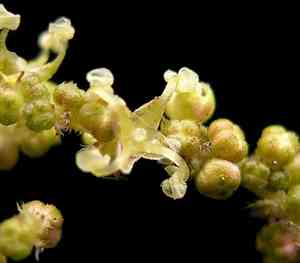
Stinging nettle(Urtica dioica)

Stinging nettle (Urtica dioica)

Also known as: California nettle

Despite its various uses, the stinging nettle is most famous for its painful sting. This plant has tiny, sharp hairs on its leaves and stems that release irritating chemicals upon contact. Interestingly, Dorset, England holds an annual World Nettle Eating Championship, originating from a dispute between two farmers about their nettle problems. To safely eat stinging nettles, they need to be well-boiled to neutralize the sting.

Attributes of Stinging nettle

Lifespan
Perennial, Annual
Plant Type
Herb
Plant Height
40 cm to 1 m
Spread
30 cm to 90 cm
Leaf Color
Green
Flower Size
2.5 mm
Flower Color
Green White Cream

PlantJoy - Identify plants with a snap

Identify and diagnose plants, get toxicity alerts, and explore safety guides for all types of fungi.

Try for Free

Images of Stinging nettle

Stinging nettle(Urtica dioica)

Quickly Identify Stinging nettle

1
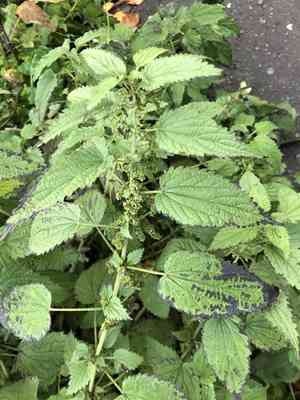
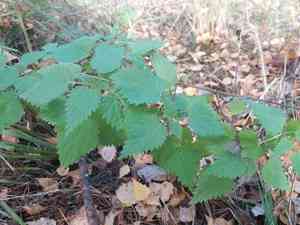
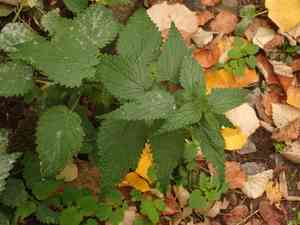
Heart-shaped, serrated leaves with fine hairs and stinging hairs.
2
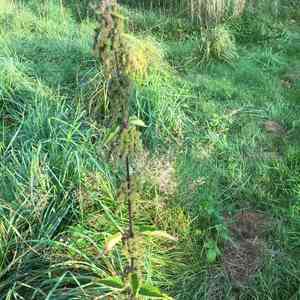
Wiry stems with square cross-sections and stinging hairs, reaching up to 9 feet (2.7 meters).
3
Minute, greenish-white flowers in dense clusters, less than 1/8 inch (3 mm) in diameter.
4
Oval-shaped achenes with smooth texture, 1-2 millimeters long, greenish to brownish.
5
Oppositely arranged, egg-shaped leaves, 1-6 inches (2.5-15 cm) long, saw-toothed margins.

Scientific Classification of Stinging nettle

Phylum
Vascular plants
Class
Dicotyledons
Order
Rosales
Family
Nettle
Genus
Urtica
Species
Stinging nettle

Planting and Growing of Stinging nettle

Care Difficulty
Easy
Watering Schedule
Every 3 days
Sunlight Requirements
Partial sun
Sunshine Duration
6-10 hours
Ideal Temperature
60-75℉
Soil Type
Potting Mix, Peat Mix
Soil pH
6.5-7.5
Fertilizer Type
Balanced
Pruning Season
Spring, Summer
Pruning Area
Branches, Leaves
Pruning Frequency
2 times a year
Repotting Season
Spring
Pot Type
Plastic, Terracotta

water icon How to Water Stinging nettle?

For Urtica dioica, or stinging nettle, the ideal watering amount ensures that the soil is moist but not soggy. This plant prefers to have its soil consistently damp without waterlogging, aiming for about 250 milliliters per watering session. It's important that the water reaches the root system thoroughly but drainage is equally critical to prevent standing water.
What are the symptoms of an underwatered Stinging nettle?
What should I do if my Stinging nettle is not getting enough water?
What are the symptoms of an overwatered Stinging nettle?
How to save an overwatered Stinging nettle?

sunlight icon What Are the Sunlight Requirements for Stinging nettle?

Sunlight Requirements: Partial sun
Duration of light: 3-6 hours sunlight
Partial sunlight, ranging from 3-6 hours, is ideal for Urtica dioica, promoting healthy foliage and robust growth while preventing the deleterious effects of overly bright conditions.
Optimal Location for Urtica dioica
Amount of Light Required
Monitoring Light Conditions

temperature icon What Is the Ideal Temperature Range for Stinging nettle?

Ideal Temperature: 60 ~ 75℉
The ideal temperature range for Urtica dioica, commonly known as stinging nettle, is between 60°F and 75°F. This range provides the optimal environment for growth, promoting healthy foliage and vibrant color. Within this temperature span, the plant's metabolic processes function efficiently, leading to improved nutrient uptake and greater resistance to pests and diseases.

soil icon What Soil is Best for Stinging nettle?

Soil type: Loam, Sandy loam
Soil PH: 6.5 ~ 7.5
Urtica dioica thrives in soil that is rich in nutrients, enabling it to grow rapidly and produce lush foliage. This nutrient density supports its common use in composting and as a natural fertilizer, aiding in holistic garden health. The plant prefers soils that offer good drainage to prevent root rot. Well-drained soil helps avoid waterlogging, which can lead to root diseases, ensuring that the plant remains healthy and vigorous. Urtica dioica needs soil that retains moisture without becoming soggy. This balanced moisture means the plant can access water as required, fostering resilience during dry spells and reducing stress.

fertilize icon How to Fertilize Stinging nettle?

Fertilizer type: Balanced
Urtica dioica does not need heavy fertilization. When applying liquid fertilizer, use a half-strength all-purpose formula to ensure the plant receives nutrients without overfeeding. Typically, about 1 tablespoon per gallon of water is sufficient.

prune icon How to Prune Stinging nettle?

Pruning Time: Spring, Summer, Autumn, Winter
Start by wearing gloves to protect your skin from the stinging hairs. Use sharp garden scissors or pruners to cut back the nettle stems by about one-third to promote a more compact shape and encourage new growth. Focus on removing any dead or damaged stems to maintain plant health. Prune monthly to manage plant size and spread. If you wish to propagate the plant, select healthy stems and cut them back to about six inches in length. Remove the lower leaves and plant the cuttings in a well-draining potting mix. Keep the soil moist and in indirect sunlight until roots form and the new nettle plants are ready to transfer to a garden plot.

propagate icon How to Propagate Stinging nettle plant?

Propagate Time: Spring, Early spring
1
Begin by preparing a well-draining soil mix for planting seeds or divisions. The soil should be rich in organic matter and slightly moist. Till the soil to at least 12 inches depth to loosen it, ensuring better root penetration and growth.
2
Sow the Urtica dioica seeds in seed trays filled with potting mix. The seeds need light to germinate, so lightly press them into the soil without covering them. Ensure the trays receive ample indirect sunlight to support even germination.
3
For division propagation, dig up the plant carefully and find natural breaking points in the rhizome. Use a sharp spade to separate healthy sections with roots attached, and replant them immediately in prepared garden beds or pots.

repot icon How to Repot Stinging nettle plant?

Repotting frequency: Every 2 years
1
Urtica dioica signals its need for repotting when you notice roots protruding from the drainage holes or when growth significantly slows down despite proper care. Spring or early summer is the perfect time to repot as the plant is in its active growth phase, allowing it to recover and establish quickly in its new pot.
2
Select a pot that is only one size larger than the current one, with adequate drainage holes to prevent water stagnation. A slightly larger pot helps control root growth, encouraging healthier foliage while reducing the risk of waterlogging which could harm the plant.
3
Use a well-drained potting mix that retains some moisture but drains excess water easily, which is essential for Urtica dioica as it prefers moist but not waterlogged conditions. Incorporating compost can enhance nutrient content, supporting robust growth and vibrant foliage.

PlantJoy - Identify plants with a snap

Find the best spots for them to optimize their health, simply using your phone.

Try for Free

Toxicity of Stinging nettle

Is Stinging nettle toxic to cat?

Stinging nettle is known to have a moderate level of toxicity for cats, and exposure typically happens when they ingest the plant. The most toxic components are mainly the leaves, which can lead to discomfort or illness in cats if consumed. Should a cat show symptoms of distress after encountering stinging nettle, it is crucial to pursue prompt veterinary attention in order to address the potential health impacts of this poisoning.

Is Stinging nettle toxic to dog?

The plant species known as stinging nettle is regarded as having a moderate degree of toxicity for dogs. Dogs can experience poisoning primarily through the consumption of this plant. When a dog eats parts of the stinging nettle, especially the leaves, which are recognized as toxic, it may display symptoms indicating poisoning. Potential symptoms include, but are not restricted to, vomiting, diarrhea, abdominal discomfort, and excessive salivation. It is essential for dog owners to keep a close watch on their pets and prevent them from chewing or consuming any portion of the stinging nettle. If a dog comes into contact with or ingests the leaves of stinging nettle, it is crucial to seek prompt veterinary assistance to ensure appropriate treatment and management of any possible toxic effects.

Identify toxic plants for your safety

Learn which plants are harmful to you and your pets, and make informed choices for a safer home!

Try for Free
WARNING
The judgment on toxicity and danger is for reference only. We DO NOT GUARANTEE any accuracy of such judgment. Therefore, you SHALL NOT rely on such judgment. It is IMPORTANT TO SEEK PROFESSIONAL ADVICE in advance when necessary.
More About Toxic Techniques