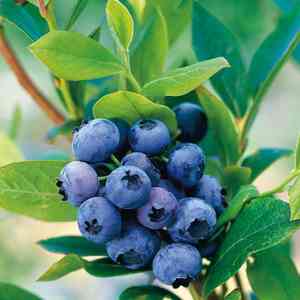
Highbush blueberry (Vaccinium corymbosum)
Also known as: Swamp blueberry, Tall huckleberry
The primary source of commercially grown blueberries in North America is the highbush blueberry (Vaccinium corymbosum), native to both the United States and Canada. This variety dominates the commercial blueberry industry. Additionally, highbush blueberries serve as a natural food source for various small wildlife in their native habitats.
In This Article
Attributes of Highbush blueberry
Lifespan
Perennial
Plant Type
Shrub
Plant Height
1.8 m to 3.5 m
Spread
1.8 m to 3.5 m
Leaf Color
Green Red Yellow Purple
Flower Size
2.5 cm
Flower Color
White Pink
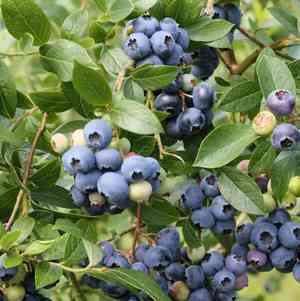
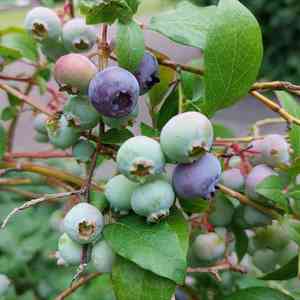
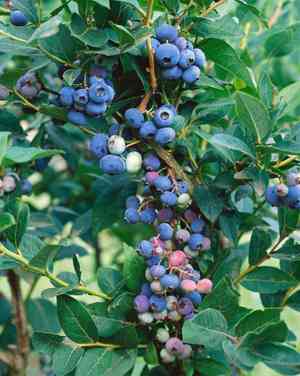
Images of Highbush blueberry
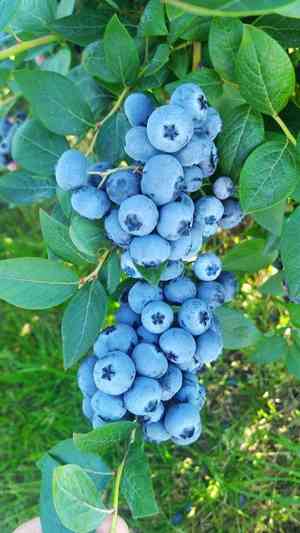
Quickly Identify Highbush blueberry
1
Deciduous shrub reaching 8-15 feet (2.4-4.6 meters) with lush, fiery autumn foliage.
2
Pink or white bell-shaped flowers, 0.25-0.5 inches (0.6-1.3 cm), fragrant and clustered.
3
Edible berries, 0.3-0.5 inches (7.5-12.7 mm), green to blue-purple ripening.
4
Oval to elliptical leaves, 1-3 inches (2.5-7.6 cm), with colorful fall display.
5
Smooth, glabrous stems, 0.2-0.4 inches (5-10 mm), vibrant winter colors.
Scientific Classification of Highbush blueberry
Phylum
Vascular plants
Class
Dicotyledons
Order
Heathers and allies
Family
Heath
Genus
Blueberries
Species
Highbush blueberry
Planting and Growing of Highbush blueberry
Care Difficulty
Hard
Watering Schedule
Every 8 days
Sunlight Requirements
Full sun
Sunshine Duration
6-10 hours
Ideal Temperature
60-75℉
Soil Type
Potting Mix, Peat Mix
Soil pH
4-5.5
Fertilizer Type
Balanced
Pruning Season
Spring, Summer
Pruning Area
Branches, Leaves
Pruning Frequency
2 times a year
Repotting Season
Spring
Pot Type
Plastic, Ceramic
 How to Water Highbush blueberry?
The ideal watering amount for Vaccinium corymbosum, commonly known as the highbush blueberry, is around 500 milliliters per session. It's crucial to follow the principle of ensuring the soil is consistently moist but never waterlogged. You should aim to water the plant until the topsoil is damp but not saturated, ensuring that excess water drains away.
More About Watering Techniques→
What are the symptoms of an underwatered Highbush blueberry?
›
What should I do if my Highbush blueberry is not getting enough water?
›
What are the symptoms of an overwatered Highbush blueberry?
›
How to save an overwatered Highbush blueberry?
›
 What Are the Sunlight Requirements for Highbush blueberry?
Vaccinium corymbosum thrives best with partial to full sun exposure. Ideal lighting improves growth rates, enhances flowering, and ultimately results in a more bountiful fruit yield.
More About Sunlight Requirements Techniques→
Optimal Light Conditions Inquiry
›
Solution to Achieve Ideal Lighting
›
Benefits of Ideal Lighting
›
 What Is the Ideal Temperature Range for Highbush blueberry?
Vaccinium corymbosum, also known as highbush blueberry, thrives best in a temperature range of 60°F to 75°F. This range allows for optimal growth, photosynthesis, and fruit development. Temperature stability within this bracket ensures that the plant is not stressed and can maximize its potential yield. It is important for gardeners to monitor climatic conditions to maintain this ideal range for the best results.
 What Soil is Best for Highbush blueberry?
Vaccinium corymbosum, commonly known as the blueberry bush, thrives in well-draining soils. Adequate drainage prevents root rot and promotes healthy root development, essential for robust plant growth and abundant fruiting. This plant enjoys soils rich in organic matter. Organic matter improves soil fertility and structure, offering essential nutrients that aid in the plant's growth and yield. Compost or pine bark fines are excellent additions. Blueberries require consistent soil moisture. Soils that retain moisture help prevent drought stress and maintain plant vigor. Mulching can be a great practice to retain moisture during dry spells.
More About Soil→
 How to Fertilize Highbush blueberry?
For Vaccinium corymbosum, apply approximately 1 ounce of balanced 10-10-10 granular fertilizer per plant during each fertilization session. Adjust based on plant size and health to ensure optimal growth without over-fertilization.
More About Fertilizing Techniques→
 How to Prune Highbush blueberry?
Begin pruning your Vaccinium corymbosum in late winter or early spring before new growth appears. This timing ensures you're cutting the plant while it's still dormant, which minimizes stress and helps prevent excessive sap loss. Avoid pruning during wet or frosty conditions as this can invite disease. Start by removing any dead, damaged, or diseased branches. Look for discoloration, brittleness, or obvious signs of decay, and cut these branches back to healthy wood. Clearing away these branches helps prevent pests and diseases from taking hold in your blueberry bush. Once the dead wood is cleared, thin out over-crowded stems to improve air circulation and light penetration. Focus on older wood, cutting it back to the base to encourage new, vigorous shoots that will produce better fruit. Maintain a balanced structure with adequate space between branches.
More About Pruning Techniques→
 How to Propagate Highbush blueberry plant?
1
Choose healthy, disease-free plant material for propagation. This is crucial for ensuring that the propagated plants have the best start in life and are more resilient to diseases and pests.
2
Cuttings should be prepared by trimming leaves and ensuring they are approximately 4-6 inches long. Removing the lower leaves prevents decay when they are placed in soil or water.
3
When propagating by seed, plant them in a seed-starting mix and keep them moist. It is important to provide adequate light and warmth to encourage germination and growth.
 How to Repot Highbush blueberry plant?
1
You should consider repotting your Vaccinium corymbosum when you notice roots protruding from the drainage holes or if the plant appears stunted. Early spring or autumn are optimal repotting windows as the plant is not in its peak growth phase, allowing it time to settle into its new home without the stress of extra growth demands.
2
Choose a pot that is about 2 inches larger in diameter than the current one. Ensure it has adequate drainage holes to prevent waterlogged soil, which can lead to root rot. A pot made from breathable materials like terracotta is ideal as it allows better moisture control and air circulation to the roots, promoting a healthy plant.
3
Select a soil mix that is acidic to suit Vaccinium corymbosum's preference, such as one specifically formulated for acid-loving plants. This type of soil will help maintain the necessary low pH levels that blueberry plants thrive in, improving nutrient uptake and overall health.



