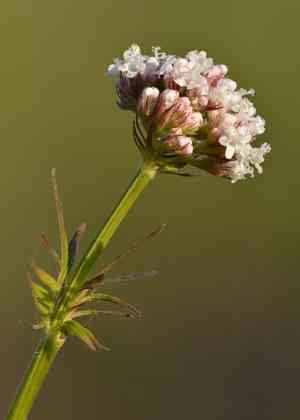
Valerian (Valeriana officinalis)
Also known as: All-heal, Common valerian
The name 'Valerian' is derived from the Latin word "valere," which means "to be healthy," reflecting its traditional use for health benefits. In gardening, valerian (Valeriana officinalis) is popular for its ornamental value, featuring clusters of small, fragrant flowers that bloom in summer. It was likely introduced to North America for garden cultivation but has since become an invasive species in some areas. Gardeners appreciate it not only for its visual appeal but also for its ability to attract pollinators like bees and butterflies.
Attributes of Valerian
Images of Valerian
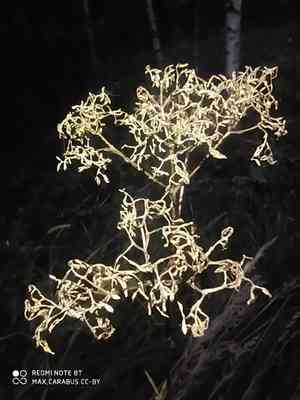
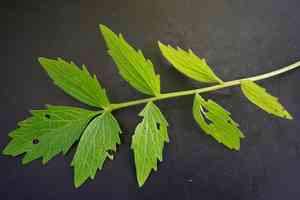
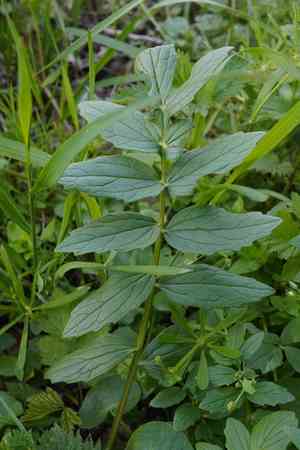
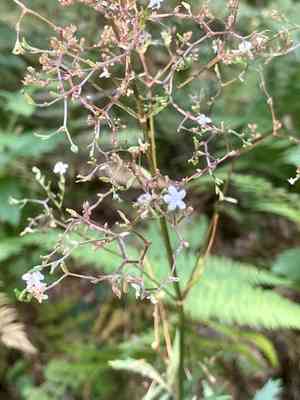
Quickly Identify Valerian
Scientific Classification of Valerian
Planting and Growing of Valerian
 How to Water Valerian?
 What Are the Sunlight Requirements for Valerian?
 What Is the Ideal Temperature Range for Valerian?
 What Soil is Best for Valerian?
 How to Fertilize Valerian?
 How to Prune Valerian?
 How to Propagate Valerian plant?
 How to Repot Valerian plant?
Toxicity of Valerian
Is Valerian toxic to humans?
Valerian may cause negative effects for individuals who consume it. While these effects are generally rare and mild, they can escalate to more severe issues in extreme situations, potentially resulting in organ damage. Consumption of any part of the plant can provoke toxic reactions such as gastrointestinal distress, headaches, trouble sleeping, and excessive drowsiness. In severe instances, it can lead to liver damage. Since some individuals use this plant as a sleep enhancer, they might suffer these adverse reactions after intentionally ingesting it.



