
Wingstem (Verbesina alternifolia)
Also known as: Wingstem actinomeris
Wingstem (Verbesina alternifolia), also known as yellow ironweed, is a flowering plant indigenous to the forested regions of central and eastern North America. It plays a crucial role in the ecosystem by attracting moths and butterflies, which use it as a host plant for their larvae.
In This Article
Attributes of Wingstem
Lifespan
Perennial
Plant Type
Herb
Plant Height
1.2 m to 2.5 m
Spread
1 m
Leaf Color
Green
Flower Size
2.5 cm to 8 cm
Flower Color
Yellow Gold
Images of Wingstem
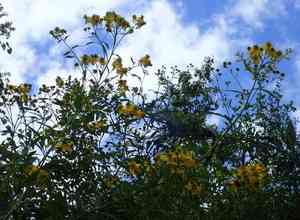
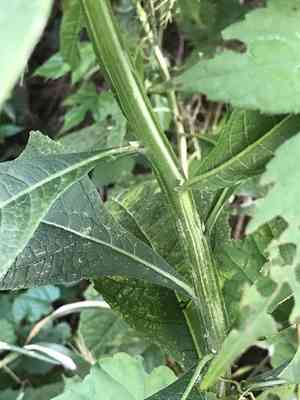
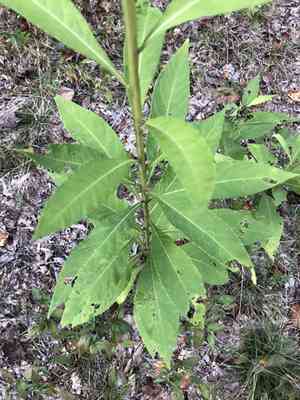
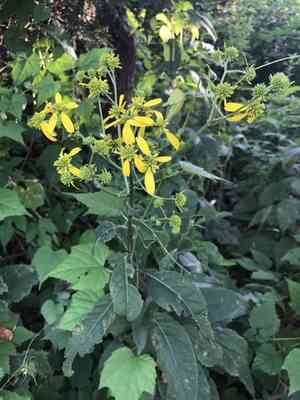
Quickly Identify Wingstem
1
Robust perennial reaching 8 feet (2.4 meters) with yellow toothed leaves.
2
Daisy-like yellow flowers with reflexed petals and greenish-yellow pincushion center.
3
Distinctive oval flat achenes with wing-like extensions, clustered and ornamental.
4
Oval lance-shaped leaves with rough upper surface and paler underside with veins.
5
Winged unbranched stem with ridges and long white hairs, robust and green.
Scientific Classification of Wingstem
Phylum
Vascular plants
Class
Dicotyledons
Order
Asterales
Family
Daisy
Genus
Crownbeard
Species
Wingstem
Planting and Growing of Wingstem
Care Difficulty
Easy
Watering Schedule
Every 4 days
Sunlight Requirements
Full sun
Sunshine Duration
4-8 hours
Ideal Temperature
65-75℉
Soil Type
Potting Mix, Peat Mix
Soil pH
6.5-7.5
Fertilizer Type
Balanced
Pruning Season
Spring, Summer
Pruning Area
Branches, Leaves
Pruning Frequency
2 times a year
Repotting Season
Spring
Pot Type
Plastic, Ceramic
 How to Water Wingstem?
When watering Verbesina alternifolia, aim for about 500 milliliters each time, ensuring that the soil is thoroughly moist without being waterlogged. The principle is to maintain consistently moist conditions that do not lead to standing water, which could cause root rot. Ensure the topsoil is dry before the next watering session, providing balanced moisture.
What are the symptoms of an underwatered Wingstem?
›
What should I do if my Wingstem is not getting enough water?
›
What are the symptoms of an overwatered Wingstem?
›
How to save an overwatered Wingstem?
›
 What Are the Sunlight Requirements for Wingstem?
Verbesina alternifolia thrives best in full sun to partial sun environments. Adequate light ensures robust growth, plentiful flowering, and vibrant foliage, vital for the plant's aesthetic and ecological functions.
What is the best lighting location for Verbesina alternifolia?
›
How can one achieve the ideal light exposure for Verbesina alternifolia?
›
What benefits does Verbesina alternifolia receive from ideal light exposure?
›
 What Is the Ideal Temperature Range for Wingstem?
The optimal temperature range for Verbesina alternifolia growth is between 65 and 75°F. These conditions provide the necessary warmth and stability, promoting healthy growth and vibrant foliage. Ensuring the environment stays within this range helps in achieving robust flowering.
 What Soil is Best for Wingstem?
Verbesina alternifolia thrives in soil that offers excellent drainage. Such conditions prevent water from becoming stagnant, thereby reducing the risk of root rot and ensuring that the plant's roots receive the oxygen they need. Opt for sandy loam or loamy soil to achieve this balance. Enriched soils with organic matter supply the necessary nutrients for Verbesina alternifolia's growth. Amending soil with compost or well-rotted manure boosts fertility, which in turn supports robust stems and vibrant foliage. A neutral pH range of 6.5 to 7.5 is optimal for Verbesina alternifolia, allowing it to absorb nutrients effectively. Maintaining this pH range can prevent chlorosis and support vibrant blooms by enabling efficient nutrient uptake.
 How to Fertilize Wingstem?
For Verbesina alternifolia, a balanced approach to fertilizing is essential. Use a liquid fertilizer diluted to half strength, applying approximately 1/4 cup per plant for liquid feeding. For solid slow-release fertilizer, about one tablespoon per plant should suffice. Adjustments may be necessary depending on the plant's growth and soil conditions.
 How to Prune Wingstem?
Start by using sharp pruning shears to cut back unwanted shoots and dead stems during the growing seasons. Focus on maintaining the natural shape of the plant, as this encourages a robust framework and enhances blooming. Always cut at a 45-degree angle to promote healthy growth. Verbesina alternifolia may tend to become unruly due to its vigorous growth. Trim excessively tall shoots to maintain the desired height and to improve air circulation, which helps prevent disease and encourages more abundant flowering. Once every couple of years, consider cutting the plant back more drastically in early spring to rejuvenate older plants. This entails removing up to one-third of the oldest stems from the base to stimulate fresh vigorous growth and healthier looking foliage.
 How to Propagate Wingstem plant?
1
Start by collecting mature seeds from Verbesina alternifolia. Clean them thoroughly to remove any residual pulp, then allow them to dry in a cool, shaded area before sowing.
2
For cutting propagation, select a healthy stem and use pruning shears to make a clean cut just below a node. Remove lower leaves and dip the cut end in rooting hormone to enhance root development.
3
For division propagation, carefully remove the plant from its container or soil, and gently separate the roots. Ensure each division has sufficient roots and stems before replanting them in nutrient-rich soil.
 How to Repot Wingstem plant?
1
Verbesina alternifolia, also known as wingstem, needs repotting when roots emerge from drainage holes or when soil drains too slowly. Spring and autumn are ideal, as the plant is neither too stressed from summer's heat nor the dormancy of winter.
2
Select a pot that's just a size larger than the current one with good drainage holes. This ensures the roots have room to grow without overwhelming them with too much soil, which can retain excess moisture, leading to root rot.
3
Opt for a well-draining potting mix with a balanced composition of organic matter and sand. This prevents waterlogging while providing necessary nutrients, encouraging healthy root development and overall plant growth.
Learn More About Wingstem Diseases
Anthracnose
Bacterial Leaf Spot
Bacterial Wilt
Chemical Injury
Crown Gall
Cyst Nematode
Damping-off
Downy Mildew
Drought Stress
Fusarium Wilt
Gray Mold
Leaf Spot
Mosaic
Nutrient Deficiency
Nutrient Toxicity
Powdery Mildew
Root Rot
Root-knot Nematode
Rusts
Sooty Mold
Spider Mites
Temperature Stress
Thrips Damage
White Mold



