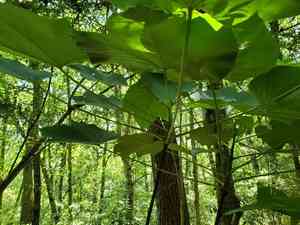
Tung oil tree (Vernicia fordii)
Also known as: Chinese wood-oil tree, Tung nut
The tung oil tree (Vernicia fordii) is primarily cultivated for its seeds, which are used to produce oil for making varnishes, paints, lacquer, and linoleum. Although it can also serve ornamental purposes, its primary value lies in its seed oil. Native to China, this tree has been grown for thousands of years.
Attributes of Tung oil tree
Images of Tung oil tree
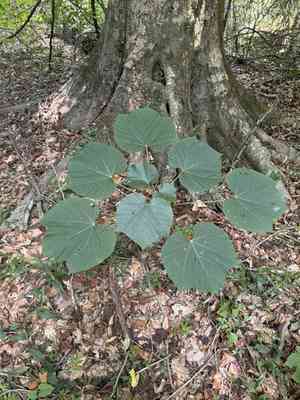
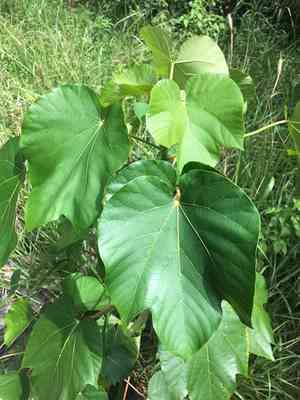
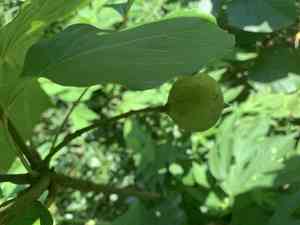
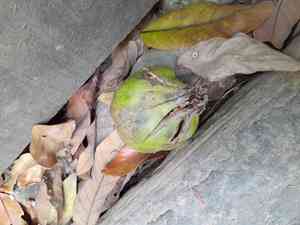
Quickly Identify Tung oil tree
Scientific Classification of Tung oil tree
Toxicity of Tung oil tree
Is Tung oil tree toxic to humans?
The tung oil tree stands out as an extremely toxic plant species, with the potential to be lethal if ingested. Every part of the plant is poisonous, particularly the seeds, which contain high levels of glycosides and phytotoxins. It has been noted that consuming just a single seed can be fatal. Common symptoms of poisoning include intense gastrointestinal distress, manifesting as vomiting, diarrhea, nausea, stomach cramps, and abdominal pain. Other symptoms may involve breathing difficulties, excessive sweating, fatigue, slow respiration, and diminished reflexes. Additionally, contact with the plant can lead to skin irritation and rashes, as its sap is also toxic. It has been observed that the seriousness of the clinical effects resulting from tung oil tree poisoning is often heightened in younger individuals.

