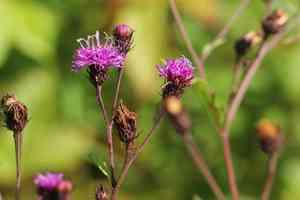
Ironweed (Vernonia noveboracensis)
Also known as: New York ironweed
A wildflower that meets your criteria is the Echinacea, also known as coneflower. This vibrant plant is often cultivated in gardens for its aesthetic appeal and its ability to attract pollinators such as bees and butterflies. Additionally, the Cherokee have historically used parts of the Echinacea plant for medicinal purposes.
In This Article
Attributes of Ironweed
Lifespan
Perennial
Plant Type
Herb
Plant Height
1.5 m to 2.5 m
Spread
90 cm to 1.2 m
Leaf Color
Green
Flower Size
2.5 cm
Flower Color
Purple
Images of Ironweed
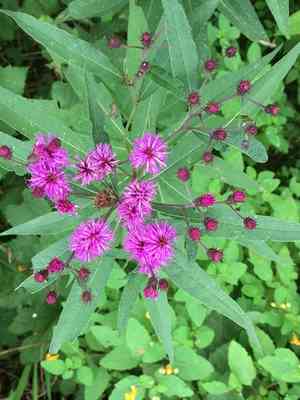
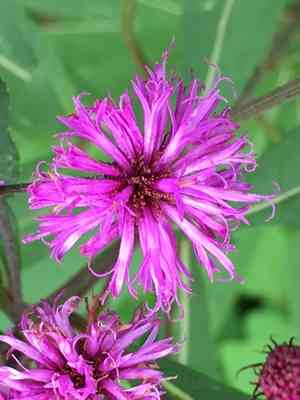
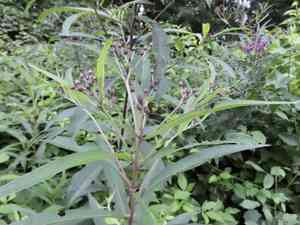
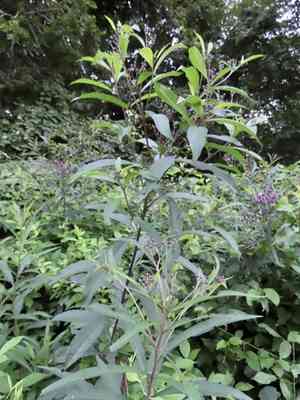
Quickly Identify Ironweed
1
Robust stems bear deep purple composite flowers in showy clusters.
2
Lanceolate leaves with rough texture, pointed tips, and wedge-shaped bases.
3
Fluffy achene fruits in rust-colored bristles for wind dispersal.
4
Upright stems, green to rusty, show occasional branching with stiff hairs.
5
Profuse tiny disc florets in terminal clusters, attracting pollinators with vibrant color.
Scientific Classification of Ironweed
Phylum
Vascular plants
Class
Dicotyledons
Order
Asterales
Family
Daisy
Genus
Vernonia
Species
Ironweed
Planting and Growing of Ironweed
Care Difficulty
Easy
Watering Schedule
Every 4 days
Sunlight Requirements
Full sun
Sunshine Duration
6-10 hours
Ideal Temperature
65-75℉
Soil Type
Potting Mix, Peat Mix
Soil pH
6.5-7.5
Fertilizer Type
Balanced
Pruning Season
Spring, Summer
Pruning Area
Branches, Leaves
Pruning Frequency
2 times a year
Repotting Season
Spring
Pot Type
Ceramic, Plastic
 How to Water Ironweed?
When watering Vernonia noveboracensis, ensure the soil is consistently moist without being waterlogged. The principle to follow is to provide about 500 ml of water per session, allowing the moisture to reach the roots without excessive run-off. It's important to check the soil's top layer before watering again — it should be slightly dry but not cracked to guarantee appropriate hydration.
What are the symptoms of an underwatered Ironweed?
›
What should I do if my Ironweed is not getting enough water?
›
What are the symptoms of an overwatered Ironweed?
›
How to save an overwatered Ironweed?
›
 What Are the Sunlight Requirements for Ironweed?
Vernonia noveboracensis thrives best in full sun, with slight tolerance for partial shade. This range ensures that the plant maximizes its flowering potential and maintains a strong structural form.
More About Sunlight Requirements Techniques→
How much sun should Vernonia noveboracensis receive?
›
What solutions can help achieve ideal lighting for Vernonia noveboracensis?
›
What are the benefits of ideal light conditions for Vernonia noveboracensis?
›
 What Is the Ideal Temperature Range for Ironweed?
The ideal temperature range for growing Vernonia noveboracensis is between 65°F and 75°F. This range allows the plant to thrive by providing conditions favorable for photosynthesis and growth. Within this range, the plant can efficiently utilize nutrients and maintain balanced water uptake, leading to optimal development. Maintaining temperatures within this range promotes healthy foliage and robust flowering.
 What Soil is Best for Ironweed?
Vernonia noveboracensis thrives in soil rich in organic matter, which provides essential nutrients for robust growth. The nutrient profile supports vibrant blooming and lush foliage. While the plant prefers well-drained soil, it benefits from soil that retains some moisture. This balances water availability, preventing stress from drought-like conditions. A loamy texture ensures good soil aeration, which is crucial for root respiration in Vernonia noveboracensis. This prevents root rot and promotes healthy plant growth.
 How to Fertilize Ironweed?
For Vernonia noveboracensis, use a balanced 10-10-10 fertilizer at half the recommended strength. This ensures the plant receives adequate nutrients without the risk of over-fertilization, promoting robust growth and vibrant blooms.
 How to Prune Ironweed?
In early spring, before new growth begins, examine the plant and cut back any dead, damaged, or diseased stems. Use clean, sharp pruning shears to make cuts at a slight angle just above a healthy bud or pair of leaves. If the plant has become too tall or leggy, trim back some of the stems by one-third to a half, focusing on the older wood. This will help maintain a symmetrical shape and promote healthier, more compact growth. In mid-summer, deadhead the spent blooms to encourage additional flowering. Snip off the faded flowers just above the next lateral bud or leaf pair, allowing the plant to redirect its energy toward producing new blooms.
More About Pruning Techniques→
 How to Propagate Ironweed plant?
1
Fill seed trays with a well-draining seed-starting mix. Sow Vernonia noveboracensis seeds on the surface and lightly cover them with soil. Maintain a consistent moisture level and place them in a location with indirect sunlight.
2
When division propagating, water the parent plant deeply a day before the planned division to ensure hydration. Choose a healthy clump and gently dig it out, being careful not to damage the root system.
3
After dividing, replant the sections into prepared garden beds or pots. Water them thoroughly and provide partial shade until the divisions establish and show new growth.
 How to Repot Ironweed plant?
1
Vernonia noveboracensis should be repotted when its roots have grown dense and begin to circle the pot or when growth becomes slow, typically every 2-3 years. The best time to repot is during early spring or autumn, when the plant is less stressed.
2
Select a pot that is only slightly larger than the current one, with good drainage holes, to prevent over-watering. Using a pot that is too large can lead to retained moisture and root rot. A stable, heavy pot also supports the plant’s mature size, preventing tipping over.
3
Choose a rich, well-draining soil mix to encourage strong, healthy root growth. A soil enriched with organic matter such as compost also provides essential nutrients, aids in moisture retention, and improves soil aeration.
Learn More About Ironweed Diseases
Anthracnose
Bacterial Leaf Spot
Bacterial Wilt
Cyst Nematode
Damping-off
Downy Mildew
Drought Stress
Fusarium Wilt
Gray Mold
Leaf Spot
Mosaic
Nutrient Deficiency
Nutrient Toxicity
Powdery Mildew
Root Rot
Root-knot Nematode
Rusts
Sooty Mold
Spider Mites
Temperature Stress
Thrips Damage
White Mold
Chemical Injury



