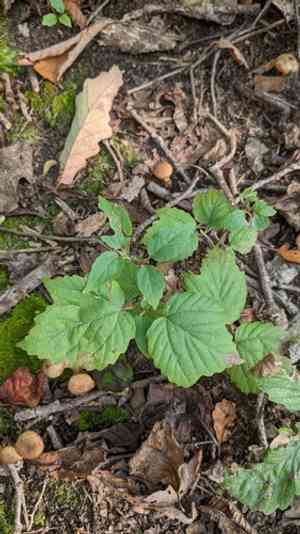
Mapleleaf viburnum(Viburnum acerifolium)

Mapleleaf viburnum (Viburnum acerifolium)

Also known as: Arrowwood

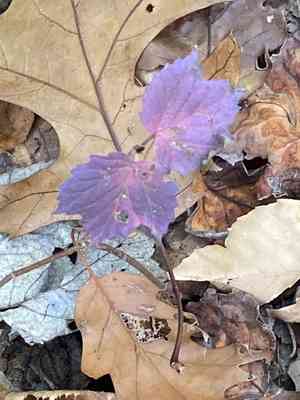
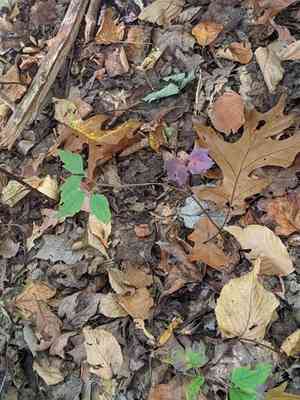
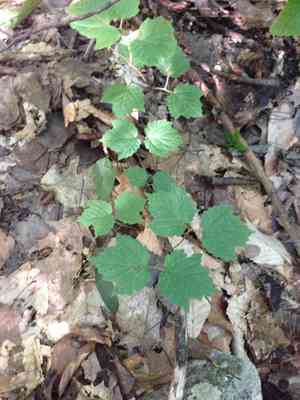
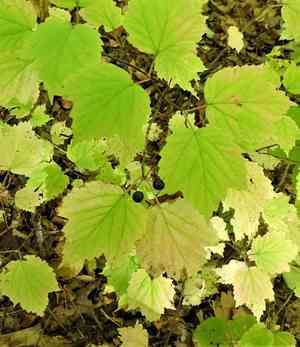
Mapleleaf viburnum (Viburnum acerifolium) is a deciduous shrub reaching heights of 3 to 6 feet. It features clusters of small, white summer blossoms that mature into small blue-black berries. The leaves, reminiscent of maple leaves but smaller, transition from green to a striking reddish-purple in the fall. The berries are particularly appealing to wild turkeys, pheasants, and various bird species, while the flowers attract butterflies and other pollinators. This shrub is highly adaptable, thriving in shaded areas and a variety of soil types, including dry and poor soils. Its drought tolerance and resistance to pests make it a low-maintenance choice for gardeners.

Attributes of Mapleleaf viburnum

Lifespan
Perennial
Plant Type
Shrub
Plant Height
1 m to 2 m
Spread
90 cm to 1.2 m
Leaf Color
Green Yellow Gold Purple
Flower Size
4 cm to 8 cm
Flower Color
White Cream

PlantJoy - Identify plants with a snap

Identify and diagnose plants, get toxicity alerts, and explore safety guides for all types of fungi.

Try for Free

Images of Mapleleaf viburnum

Mapleleaf viburnum(Viburnum acerifolium)

Quickly Identify Mapleleaf viburnum

1
Maple-like leaves transitioning to red, pink, or purple in autumn.
2
Creamy-white flowers in flat-topped panicles up to 3 inches (7.5 cm) across.
3
Persisting bluish-black berries, 1/4 inch (6 mm) long, into winter.
4
Smooth grayish-brown stem, averaging 0.2 inches (0.5 cm) in diameter.
5
Modest trunk not exceeding 4 inches (10 cm) diameter, with subtly rough gray bark.

Scientific Classification of Mapleleaf viburnum

Phylum
Vascular plants
Class
Dicotyledons
Order
Dipsacales
Family
Moschatel
Genus
Viburnum
Species
Mapleleaf viburnum

Planting and Growing of Mapleleaf viburnum

Care Difficulty
Easy
Watering Schedule
Every 3 days
Sunlight Requirements
Full shade
Sunshine Duration
4-8 hours
Ideal Temperature
60-75℉
Soil Type
Potting Mix, Peat Mix
Soil pH
6-7.5
Fertilizer Type
Balanced
Pruning Season
Spring, Summer
Pruning Area
Branches, Leaves
Pruning Frequency
2 times a year
Repotting Season
Spring
Pot Type
Plastic, Ceramic

water icon How to Water Mapleleaf viburnum?

When watering Viburnum acerifolium, aim to provide about 500 milliliters per session. It's essential to ensure the water penetrates deeply into the soil, reaching the root system. The soil should ideally be moist but not waterlogged. A general rule is to check the top 2 inches of soil; if they feel dry, it's time to water.
What are the symptoms of an underwatered Mapleleaf viburnum?
What should I do if my Mapleleaf viburnum is not getting enough water?
What are the symptoms of an overwatered Mapleleaf viburnum?
How to save an overwatered Mapleleaf viburnum?

sunlight icon What Are the Sunlight Requirements for Mapleleaf viburnum?

Sunlight Requirements: Full shade, Partial sun
Duration of light: 2-6 hours of sun
Partial sun to full shade is ideal, allowing Viburnum acerifolium's leaves to develop rich colors and maintain robustness. Optimal light conditions support flowering cycles and help the plant combat environmental stresses effectively.
What is the ideal amount of sunlight for Viburnum acerifolium?
How can I ensure my Viburnum acerifolium gets the right amount of light?
What benefits does ideal lighting provide to Viburnum acerifolium?
More About Sunlight Requirements Techniques

temperature icon What Is the Ideal Temperature Range for Mapleleaf viburnum?

Ideal Temperature: 60 ~ 75℉
Viburnum acerifolium thrives best in temperatures ranging from 60°F to 75°F. This range provides optimal conditions for photosynthesis, respiration, and overall growth. Maintaining these temperatures ensures that the plant's physiological processes function efficiently, leading to healthy foliage and blossoms.

soil icon What Soil is Best for Mapleleaf viburnum?

Soil type: Loam, Sandy loam, Acidic soil
Soil PH: 6 ~ 7.5
Viburnum acerifolium thrives in soil that retains moisture yet drains well. The ideal soil structure prevents waterlogging, which can harm the roots, while also providing the necessary hydration for sustained growth. A nutrient-rich soil with organic matter supports the plant's growth and ensures its foliage remains vibrant. It fosters microbial activity that benefits the plant's root system, enhancing nutrient uptake. Maintaining an optimal pH between 6.0 and 7.5 allows Viburnum acerifolium to absorb essential nutrients efficiently. This balance prevents potential deficiencies or toxicities from unfit soil environments.

fertilize icon How to Fertilize Mapleleaf viburnum?

Fertilizer type: Balanced
For Viburnum acerifolium, a balanced fertilizer solution should be applied. Use a 10-10-10 or similar organic blend in proportions of approximately one tablespoon per gallon of water for liquid fertilization. Ensure that you adjust according to environmental conditions and plant responses.

prune icon How to Prune Mapleleaf viburnum?

Pruning Time: Spring
Start by examining the plant for any dead or damaged branches and remove them first. This will help prevent disease. Use clean, sharp pruners to make cuts just above a node to encourage new growth outward. Next, shape the plant by cutting back overly long branches to maintain an attractive form. Remember to make cuts at a slight angle to promote water runoff, which helps in preventing rot. To maximize blooming, it's best to prune just after the flowering period in late spring. This timing ensures that you do not cut off next year's flower buds, as pruning too late may reduce the number of flowers in the following season. More About Pruning Techniques

propagate icon How to Propagate Mapleleaf viburnum plant?

Propagate Time: Spring, Early summer
1
Harvest seeds in late autumn when they are mature. Ensure seeds are dry before storing them in a cool, dark place until spring planting.
2
Select healthy stems in early summer. Cut 4-6 inches below a leaf node, remove lower leaves, and dip in rooting hormone before planting in moist potting mix.
3
In spring, bend a low branch to the ground and bury a section with soil. After roots develop, sever the new plant and transplant it.
More About Propagating Techniques

repot icon How to Repot Mapleleaf viburnum plant?

Repotting frequency: Every 2-3 years
1
Viburnum acerifolium should be repotted when its roots begin to grow out of the drainage holes. This is a sign that the plant has outgrown its current pot. Another cue might be a noticeable slowdown in growth or diminished health. The best time to repot is during its active growth phases, which typically occur in the spring and autumn.
2
Choose a pot that is one size larger, allowing for about 1-2 inches of extra room around the root ball. Ensure it has adequate drainage holes. This prevents waterlogging, helps maintain healthy roots, and supports the plant's growth. Opt for materials that offer insulation like ceramic or plastic pots.
3
The ideal soil for Viburnum acerifolium is a well-draining, loamy mix enriched with organic matter. This type of soil retains the necessary moisture while preventing water stagnation, promoting healthy root development. It also provides essential nutrients for sustained growth.

PlantJoy - Identify plants with a snap

Find the best spots for them to optimize their health, simply using your phone.

Try for Free

Toxicity

ingestion

Identify toxic plants for your safety

Learn which plants are harmful to you and your pets, and make informed choices for a safer home!

Try for Free
WARNING
The judgment on toxicity and danger is for reference only. We DO NOT GUARANTEE any accuracy of such judgment. Therefore, you SHALL NOT rely on such judgment. It is IMPORTANT TO SEEK PROFESSIONAL ADVICE in advance when necessary.