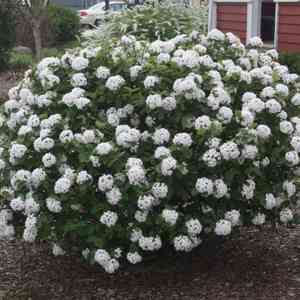
Koreanspice viburnum(Viburnum carlesii)

Koreanspice viburnum (Viburnum carlesii)

Also known as: Korean spice viburnum

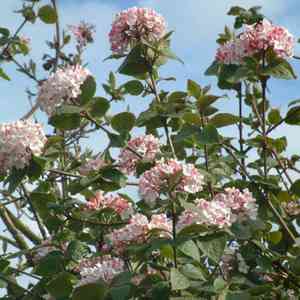
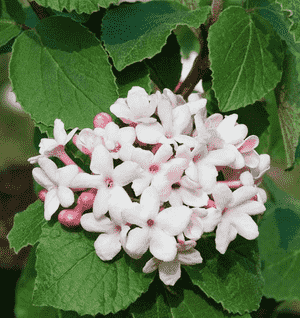
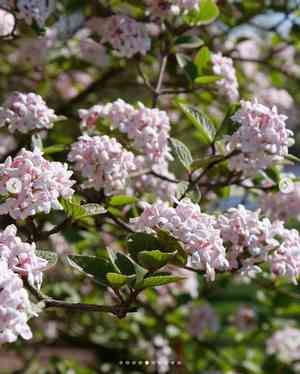
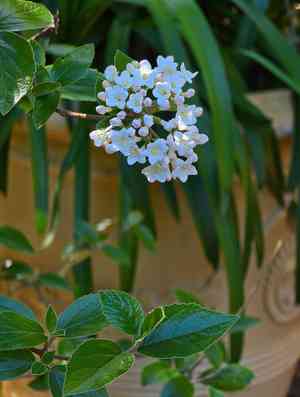
The Koreanspice viburnum (Viburnum carlesii), a member of the elderberry family, is renowned for its highly fragrant clusters of pink buds that open into white or light pink flowers in the spring. This deciduous shrub is hardy in USDA zones 4-7 and is known for its dense, rounded form and attractive fall foliage that turns a reddish-purple.

**Key Characteristics:**
- **Flowers:** Fragrant clusters of pink buds that open into white or light pink blooms.
- **Foliage:** Dark green, oval leaves that transition to red or purple in the fall.
- **Shape:** Grows into a dense, rounded shrub, typically reaching 4-6 feet in height and width.

**Growing Conditions:**
- **Light:** Thrives in full sun to partial shade.
- **Soil:** Prefers well-drained, moist soils but is adaptable to various soil types.
- **Water:** Needs regular watering, especially during dry spells; becomes drought-tolerant once established.

**Wildlife Attraction:**
- **Pollinators:** The fragrant flowers attract bees, butterflies, and other pollinators.
- **Birds and Mammals:** The berries, which develop in late summer to fall, are a food source for birds and small mammals.

Additionally, the Koreanspice viburnum is generally resistant to rabbit damage, making it a resilient choice for gardens.

Attributes of Koreanspice viburnum

Lifespan
Perennial
Plant Type
Shrub
Plant Height
1.2 m to 1.8 m
Spread
1.2 m to 1.8 m
Leaf Color
Green Red Gray
Flower Size
2.5 cm
Flower Color
White Pink

PlantJoy - Identify plants with a snap

Identify and diagnose plants, get toxicity alerts, and explore safety guides for all types of fungi.

Try for Free

Images of Koreanspice viburnum

Koreanspice viburnum(Viburnum carlesii)

Quickly Identify Koreanspice viburnum

1
Small round drupes transition from red to bluish-black, clustered against foliage.
2
Dense terminal hemispherical cymes with fragrant white flowers transitioning from pink to red.
3
Pubescent, slightly zigzag green to reddish-brown stems with opposite branching.
4
Gray bark with shallow fissuring on modest trunk, growing up to 3 inches (7.6 cm) in diameter.
5
Oval, toothless margin leaves with pubescent undersides and dull green-gray coloration.

Scientific Classification of Koreanspice viburnum

Phylum
Vascular plants
Class
Dicotyledons
Order
Dipsacales
Family
Moschatel
Genus
Viburnum
Species
Koreanspice viburnum

Planting and Growing of Koreanspice viburnum

Care Difficulty
Easy
Watering Schedule
Every 4 days
Sunlight Requirements
Full sun
Sunshine Duration
4-6 hours
Ideal Temperature
60-75℉
Soil Type
Potting Mix, Peat Mix
Soil pH
6.5-7.5
Fertilizer Type
Balanced
Pruning Season
Spring, Summer
Pruning Area
Branches, Leaves
Pruning Frequency
2 times a year
Repotting Season
Spring
Pot Type
Plastic, Ceramic

water icon How to Water Koreanspice viburnum?

For Viburnum carlesii, it's ideal to water with around 500 ml per session. The soil should be kept consistently moist but not waterlogged, adhering to the principle of thorough soaking then allowing for partial drying. Aim to saturate the root ball without any standing water.
What are the symptoms of an underwatered Koreanspice viburnum?
What should I do if my Koreanspice viburnum is not getting enough water?
What are the symptoms of an overwatered Koreanspice viburnum?
How to save an overwatered Koreanspice viburnum?
More About Watering Techniques

sunlight icon What Are the Sunlight Requirements for Koreanspice viburnum?

Sunlight Requirements: Full sun, Partial sun
Duration of light: 6 to 8 hours daily
Partial to full sun exposure is ideal for Viburnum carlesii. It ensures vigorous growth, robust flowering, and healthy foliage, providing the plant with the optimal conditions it needs for thriving beauty.
What is the best light condition for Viburnum carlesii?
How can I achieve the ideal light conditions?
What benefits does ideal lighting bring to Viburnum carlesii?
More About Sunlight Requirements Techniques

temperature icon What Is the Ideal Temperature Range for Koreanspice viburnum?

Ideal Temperature: 60 ~ 75℉
Viburnum carlesii thrives best in temperatures ranging from 60°F to 75°F. This range is ideal as it provides the warmth needed for optimal growth while preventing heat stress. Proper maintenance of this temperature range ensures the plant's metabolism functions efficiently.

soil icon What Soil is Best for Koreanspice viburnum?

Soil type: Loam, Sandy loam, Clay soil
Soil PH: 6.5 ~ 7.5
Viburnum carlesii thrives in soil that is rich in organic matter, which improves nutrient availability and enhances moisture retention. The organic matter also supports beneficial microorganisms, leading to healthier root development. This plant prefers well-drained soil to prevent root rot. Ensuring good drainage allows the roots to breathe adequately and prevents various fungal infections caused by waterlogged conditions. The soil should have the ability to retain a moderate amount of moisture without becoming soggy. This balance helps Viburnum carlesii to avoid stress from drought conditions while not suffering from excessive moisture. More About Soil

fertilize icon How to Fertilize Koreanspice viburnum?

Fertilizer type: Balanced
To ensure the health and beauty of Viburnum carlesii, apply a balanced fertilizer at the rate of 1 pound per 100 square feet in early spring. This amount delivers essential nutrients for the entire growing season, helping to promote lush foliage and abundant flowering. More About Fertilizing Techniques

prune icon How to Prune Koreanspice viburnum?

Pruning Time: Spring, Summer, Autumn, Winter
Ensure that your pruning shears or loppers are clean and sharp before you start. This reduces the risk of introducing disease and makes clean cuts that heal quickly, promoting healthy regrowth. Avoid cutting back more than one-third of the shrub at a time, as this can stress the plant. Gradual shaping over multiple seasons is preferable for the overall health and appearance of Viburnum carlesii. More About Pruning Techniques

propagate icon How to Propagate Koreanspice viburnum plant?

Propagate Time: Early spring, Late spring, Early summer
1
Harvest seeds from mature Viburnum carlesii berries in late summer or early autumn. Clean the seeds by removing the fleshy exterior and allow them to dry for a day or two before storage.
2
Select healthy, non-flowering stems approximately 4 to 6 inches in length. Use pruning shears to make a clean cut just below a leaf node, and remove any leaves from the lower half of the cutting.
3
Choose a low-growing branch and bend it to the ground. Use a small spade to create a shallow trench and bury a section of the stem. Secure it with a U-shaped pin, keeping the growing tip exposed.
More About Propagating Techniques

repot icon How to Repot Koreanspice viburnum plant?

Repotting frequency: Two to three years
1
Repot Viburnum carlesii when you notice that roots are cramped and growing through drainage holes, or when the soil becomes compacted and fails to drain well. These indicators suggest the plant needs more space to thrive and that the potting mix has degraded, reducing its ability to support healthy growth.
2
Select a pot that is 2-4 inches larger in diameter than the current one. Ensure it has adequate drainage holes to prevent waterlogging. A larger pot allows for root expansion and reduces the frequency of repotting. The material of the pot can vary, but terra cotta pots help in maintaining a balanced moisture level due to their porous nature.
3
Opt for a light, well-draining potting mix with organic matter. This mix supports healthy root development by allowing air and water to move freely, preventing root rot. A good potting mix retains the necessary moisture while ensuring excess water drains away quickly, creating an ideal environment for Viburnum carlesii.

PlantJoy - Identify plants with a snap

Find the best spots for them to optimize their health, simply using your phone.

Try for Free