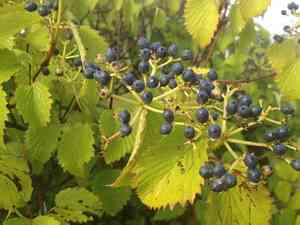
Arrowwood viburnum(Viburnum dentatum)

Arrowwood viburnum (Viburnum dentatum)

Also known as: Oughish arrowwood

Inkberry (*Ilex glabra*) is a small, perennial woody shrub indigenous to the eastern United States and Canada. Primarily utilized for shrub hedges rather than decorative purposes, this plant is known for attracting songbirds and occasionally white flies.

In This Article
Care Tips Toxicity

Attributes of Arrowwood viburnum

Lifespan
Perennial
Plant Type
Shrub
Plant Height
1.5 m to 2 m
Spread
1.5 m to 2 m
Leaf Color
Green Yellow Red Gold
Flower Size
2.5 cm
Flower Color
White

PlantJoy - Identify plants with a snap

Identify and diagnose plants, get toxicity alerts, and explore safety guides for all types of fungi.

Try for Free

Images of Arrowwood viburnum

Arrowwood viburnum(Viburnum dentatum)

Quickly Identify Arrowwood viburnum

1
Flat-topped clusters of white blossoms measuring 4 inches (10 cm) across in spring.
2
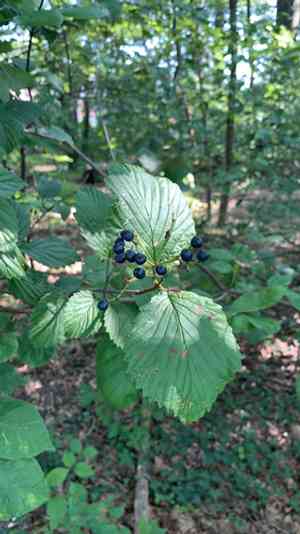
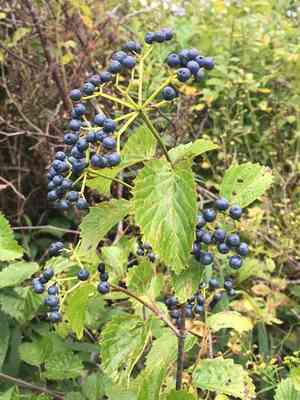
Distinctive bluish-black drupe fruits, clustered and maturing in late summer to early fall.
3
Creamy-white flowers with bell-shaped petals and prominent yellow anthers blooming from March to April.
4
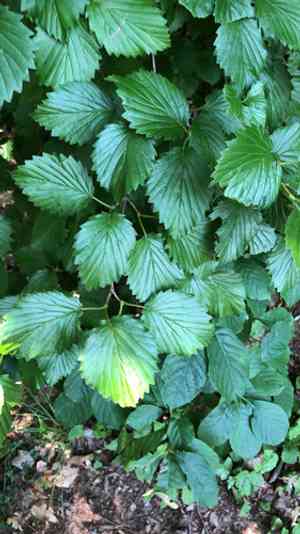
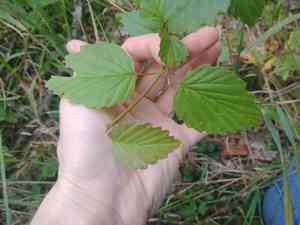
Yellow-green to dark green leaves with coarsely serrated margins changing to vibrant reds in the fall.
5
Angled twigs with ridges, green to brown buds, and gray mature stems with fissures.

Scientific Classification of Arrowwood viburnum

Phylum
Vascular plants
Class
Dicotyledons
Order
Dipsacales
Family
Moschatel
Genus
Viburnum
Species
Arrowwood viburnum

Toxicity of Arrowwood viburnum

Is Arrowwood viburnum toxic to humans?

The arrowwood viburnum features berries that are regarded as mildly toxic, particularly when they have not reached full ripeness. These berries are rich in polyphenols, which may irritate the gastrointestinal tract, resulting in symptoms such as nausea, excessive salivation, abdominal pain, diarrhea, and vomiting if consumed in significant quantities. In severe cases of poisoning, there can be serious complications including electrolyte imbalances or severe dehydration. It is important to keep this plant out of reach of children and individuals with cognitive impairments to avoid these adverse effects.


Identify toxic plants for your safety

Learn which plants are harmful to you and your pets, and make informed choices for a safer home!

Try for Free
WARNING
The judgment on toxicity and danger is for reference only. We DO NOT GUARANTEE any accuracy of such judgment. Therefore, you SHALL NOT rely on such judgment. It is IMPORTANT TO SEEK PROFESSIONAL ADVICE in advance when necessary.