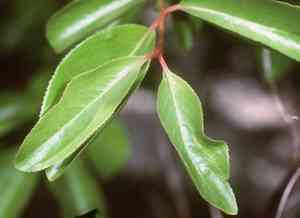
Black haw(Viburnum prunifolium)

Black haw (Viburnum prunifolium)

Also known as: Stag bush, Stagberry, Smooth blackhaw viburnum

American pokeweed (Phytolacca americana) is a white-flowered shrub found across the eastern and southern United States. In early fall, it produces large clusters of dark purple berries that are favored by a variety of wildlife, including birds.

Attributes of Black haw

Lifespan
Perennial
Plant Type
Shrub, Tree
Plant Height
3.5 m to 6 m
Spread
1.8 m to 4.5 m
Leaf Color
Green Yellow Gold
Flower Size
2.5 cm
Flower Color
White Cream

PlantJoy - Identify plants with a snap

Identify and diagnose plants, get toxicity alerts, and explore safety guides for all types of fungi.

Try for Free

Images of Black haw

Black haw(Viburnum prunifolium)

Quickly Identify Black haw

1
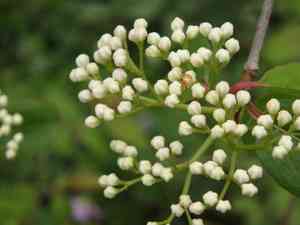
Large cymes of white flowers in spring
2
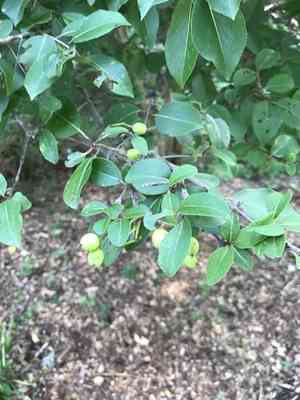
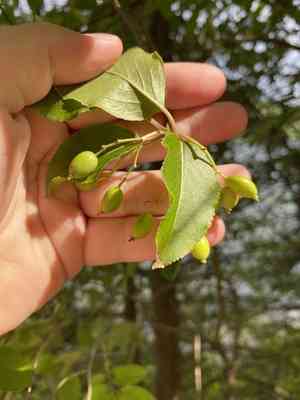
Oval, glossy leaves with serrated edges
3
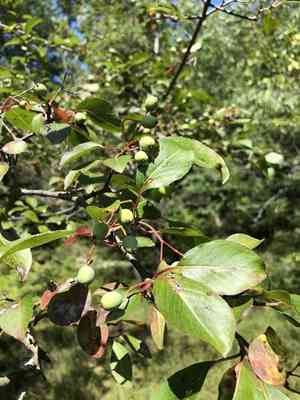
Fruits transition from vibrant hues to deep blue-black
4
Smooth, gray stem with sparse branching
5
Mature trunk develops rugged, gray-black bark plates

Scientific Classification of Black haw

Phylum
Vascular plants
Class
Dicotyledons
Order
Dipsacales
Family
Moschatel
Genus
Viburnum
Species
Black haw

Planting and Growing of Black haw

Care Difficulty
Easy
Watering Schedule
Every 4 days
Sunlight Requirements
Full sun
Sunshine Duration
4-6 hours
Ideal Temperature
60-75℉
Soil Type
Potting Mix, Peat Mix
Soil pH
6.5-7.5
Fertilizer Type
Balanced
Pruning Season
Spring, Summer
Pruning Area
Branches, Leaves
Pruning Frequency
2 times a year
Repotting Season
Spring
Pot Type
Plastic, Ceramic

water icon How to Water Black haw?

Viburnum prunifolium, also known as Blackhaw, typically requires about 1000 milliliters of water per session. The watering should be thorough enough that it penetrates the root zone thoroughly. Check the top 2 inches of soil: it should feel moist, but not waterlogged, to ensure that the hydration is suited for healthy growth without risking root rot.
What are the symptoms of an underwatered Black haw?
What should I do if my Black haw is not getting enough water?
What are the symptoms of an overwatered Black haw?
How to save an overwatered Black haw?

sunlight icon What Are the Sunlight Requirements for Black haw?

Sunlight Requirements: Full sun, Partial sun
Duration of light: 4 to 6 hours
Viburnum prunifolium ideally should receive full sun to partial sun, ensuring that it has a robust growth pattern, lush foliage, and a capacity to bloom profusely, bringing out its ornamental properties.
What is the best lighting condition for Viburnum prunifolium?
How can I ensure Viburnum prunifolium gets ideal light?
What benefits arise from ideal lighting for Viburnum prunifolium?
More About Sunlight Requirements Techniques

temperature icon What Is the Ideal Temperature Range for Black haw?

Ideal Temperature: 60 ~ 75℉
Viburnum prunifolium thrives best within a temperature range of 60°F to 75°F. This range is optimal for promoting robust growth and flowering. This range allows the plant to efficiently carry out photosynthesis and other physiological processes. It's essential for gardeners to strive to maintain this range, particularly during the plant's active growing seasons in spring and summer.

soil icon What Soil is Best for Black haw?

Soil type: Loam, Clay soil
Soil PH: 6.5 ~ 7.5
This plant, Viburnum prunifolium, thrives in well-drained soils that retain adequate moisture. The moisture ensures that the plant's roots have a constant supply of water, which is essential for its lush foliage and abundant flowering. A soil that retains moisture will prevent the plant from drying out during hot spells, leading to a healthier growth cycle. Viburnum prunifolium requires nutrient-rich soil to support its growth and development. Nutrients like nitrogen, phosphorus, and potassium are vital for robust root development, flowering, and overall plant vitality. A rich soil supplies these necessary nutrients, enabling the plant to flourish and showcase its beautiful blooms throughout the growing season. Aerated soil is crucial for Viburnum prunifolium as it allows roots to breathe and prevents waterlogging, which can lead to root rot. Well-aerated soil supports healthy root growth and uptake of nutrients, leading to a more vigorous plant overall. It ensures that the plant remains healthy and can withstand environmental stressors more effectively.

fertilize icon How to Fertilize Black haw?

Fertilizer type: Balanced
For Viburnum prunifolium, the recommended fertilizer amount varies depending on the type of fertilizer used. Use a balanced 10-10-10 fertilizer. For liquid fertilizers, a quarter to a half-strength dilution applied twice a month is adequate during the growing season. For slow-release fertilizers, follow the manufacturer's instructions, typically around 1-2 pounds per 100 square feet.

prune icon How to Prune Black haw?

Pruning Time: Spring, Summer, Autumn, Winter
Start by removing any dead, diseased, or damaged wood with clean, sharp pruning tools. Focus on thinning the interior branches to improve air circulation. Cut back overgrown or mishapen branches to encourage a pleasing overall shape while promoting new growth. More About Pruning Techniques

propagate icon How to Propagate Black haw plant?

Propagate Time: Spring, Early spring, Late spring
1
Soak Viburnum prunifolium seeds in warm water for 24 hours to help soften the seed coat and encourage germination. This process mimics natural conditions and can significantly improve germination rates.
2
Select healthy, non-flowering branches and cut 4-6 inch sections with at least two leaf nodes. Dip the cut end in rooting hormone to enhance root development and increase the likelihood of successful propagation.
3
Choose compatible rootstock and scion varieties. Make a clean cut on both pieces, and align the cambium layers. Secure the graft with grafting tape to protect it while it heals, ensuring good contact between the scion and rootstock.
More About Propagating Techniques

repot icon How to Repot Black haw plant?

Repotting frequency: Every 2-3 years
1
Viburnum prunifolium should be repotted when its roots become crowded and start emerging from the drainage holes. Another sign is reduced plant growth, indicating it needs more space to flourish. Ideally, repot during the early growing season for best results.
2
Select a pot that's 1-2 inches larger in diameter than the current one, ensuring it has good drainage. A plastic or ceramic pot works well, promoting better insulation and avoiding root rot. The size increase gives roots room to expand, promoting robust growth.
3
For Viburnum prunifolium, a well-draining, loamy soil is ideal. This soil type retains moisture while allowing excess water to drain, preventing root rot. It also provides essential nutrients, supporting healthy plant development and lush foliage.

PlantJoy - Identify plants with a snap

Find the best spots for them to optimize their health, simply using your phone.

Try for Free

Toxicity of Black haw

Is Black haw toxic to humans?

Black haw, similar to various *Viburnum* species, possesses berries that can irritate the stomach when they are unripe. The offending compound is salicin, which is related to aspirin and has comparable effects. Individuals who are not sensitive to aspirin may only experience mild symptoms such as nausea and potential vomiting. However, for those who are sensitive to aspirin, reactions can include hives, swollen lips, and difficulty in breathing. Additionally, children suffering from viral infections face the risk of developing Reye's syndrome if they consume a sufficient quantity of this fruit. Furthermore, pregnant women should refrain from consuming it, as it poses a risk of birth defects. It is crucial to avoid ingestion altogether and to keep it out of children's reach.

Identify toxic plants for your safety

Learn which plants are harmful to you and your pets, and make informed choices for a safer home!

Try for Free
WARNING
The judgment on toxicity and danger is for reference only. We DO NOT GUARANTEE any accuracy of such judgment. Therefore, you SHALL NOT rely on such judgment. It is IMPORTANT TO SEEK PROFESSIONAL ADVICE in advance when necessary.
More About Toxic Techniques