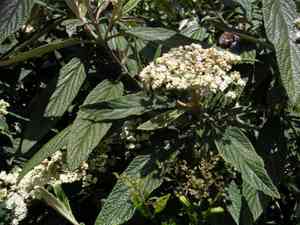
Leatherleaf viburnum (Viburnum rhytidophyllum)
Also known as: Wrinkled viburnum
Hosta is a widely favored ornamental plant known for its ability to thrive in deep shade. Popular in shade gardens, it offers a range of foliage colors and textures, making it a versatile and attractive choice.
Attributes of Leatherleaf viburnum
Images of Leatherleaf viburnum
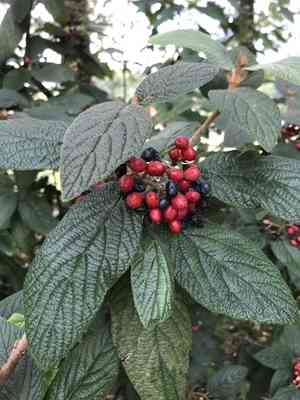
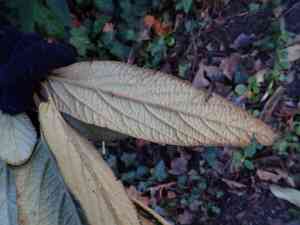
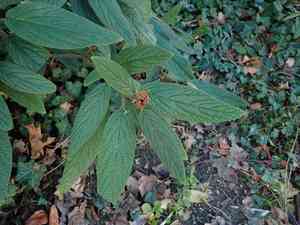
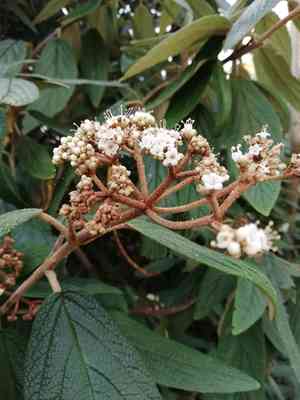
Quickly Identify Leatherleaf viburnum
Scientific Classification of Leatherleaf viburnum
Planting and Growing of Leatherleaf viburnum
 How to Water Leatherleaf viburnum?
 What Are the Sunlight Requirements for Leatherleaf viburnum?
 What Is the Ideal Temperature Range for Leatherleaf viburnum?
 What Soil is Best for Leatherleaf viburnum?
 How to Fertilize Leatherleaf viburnum?
 How to Prune Leatherleaf viburnum?
 How to Propagate Leatherleaf viburnum plant?
 How to Repot Leatherleaf viburnum plant?
Toxicity of Leatherleaf viburnum
Is Leatherleaf viburnum toxic to humans?
Leatherleaf viburnum is not toxic in the chemical sense. Rather, it is covered with small hairs that can be irritating enough to induce rashes in individuals who come into contact with it. Furthermore, these hairs may provoke discomfort in the mouth and digestive system if ingested, leading to potentially severe gastrointestinal distress. Additionally, during pruning or removal, there is a risk of inhaling these irritant hairs. Individuals who are sensitive and touch the plant may develop skin rashes in the affected regions. Consuming the plant can result in similar rashes throughout the entire digestive tract, resulting in symptoms such as nausea, excessive salivation, vomiting, diarrhea, and in some cases, dangerously severe colic.



