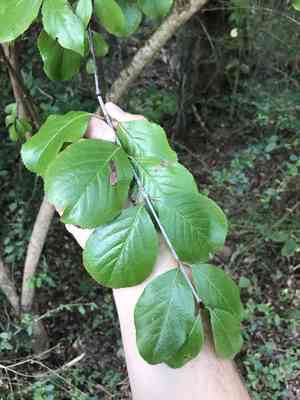
Rusty blackhaw(Viburnum rufidulum)

Rusty blackhaw (Viburnum rufidulum)

Also known as: Blue haw

The flowering dogwood (Cornus florida) is a plant species indigenous to the eastern and central United States. It blooms in the spring with small white flowers and produces blue drupes in the fall. This species is frequently cultivated in gardens.

Attributes of Rusty blackhaw

Lifespan
Perennial
Plant Type
Shrub
Plant Height
3 m to 6 m
Spread
3 m to 6 m
Leaf Color
Green Yellow Gold
Flower Size
2.5 cm
Flower Color
White Cream

PlantJoy - Identify plants with a snap

Identify and diagnose plants, get toxicity alerts, and explore safety guides for all types of fungi.

Try for Free

Images of Rusty blackhaw

Rusty blackhaw(Viburnum rufidulum)

Quickly Identify Rusty blackhaw

1
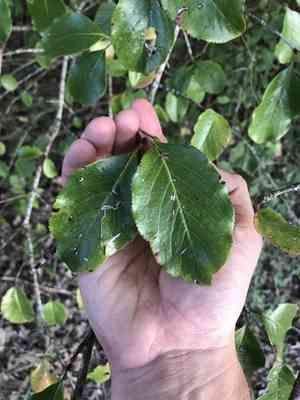
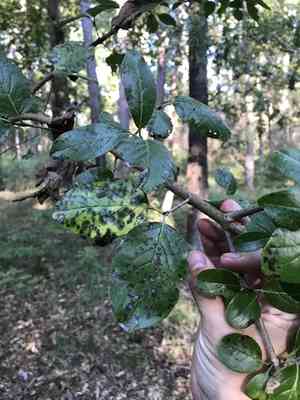
Oval, glossy leaves with rusty-brown undersides, 4 inches (10 cm) long.
2
Rusty-brown haired stems and buds, 0.2 to 0.4 inches (5 to 10 mm) thick.
3
Creamy-white flowers in 5-inch (12.7 cm) cymes with long stamens.
4
Dark blue, fleshy berries, 3/8 inch (1 cm) long, in clusters.
5
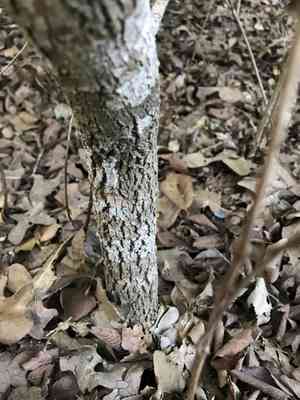
Rugged bark with fine mosaic-like blocky pattern, gray to brown hues.

Scientific Classification of Rusty blackhaw

Phylum
Vascular plants
Class
Dicotyledons
Order
Dipsacales
Family
Moschatel
Genus
Viburnum
Species
Rusty blackhaw

Planting and Growing of Rusty blackhaw

Care Difficulty
Easy
Watering Schedule
Every 3 days
Sunlight Requirements
Full sun
Sunshine Duration
4-10 hours
Ideal Temperature
65-75℉
Soil Type
Potting Mix, Peat Mix
Soil pH
5.5-7.5
Fertilizer Type
Balanced
Pruning Season
Spring, Summer
Pruning Area
Branches, Leaves
Pruning Frequency
2 times a year
Repotting Season
Spring
Pot Type
Plastic, Ceramic

water icon How to Water Rusty blackhaw?

Viburnum rufidulum requires about 1000 milliliters of water per watering session. It's important to ensure the soil is moist but not waterlogged. The best practice is to water deeply until water runs out of the drainage holes. This ensures that the roots get adequate moisture and helps promote healthy root growth.
What are the symptoms of an underwatered Rusty blackhaw?
What should I do if my Rusty blackhaw is not getting enough water?
What are the symptoms of an overwatered Rusty blackhaw?
How to save an overwatered Rusty blackhaw?

sunlight icon What Are the Sunlight Requirements for Rusty blackhaw?

Sunlight Requirements: Full sun, Partial sun
Duration of light: 6-8 hours daily
The ideal light range for Viburnum rufidulum is full to partial sunlight, which supports healthy growth, robust flowering, and sturdy foliage. This balance maximizes its aesthetic appeal and resilience.
How much light does Viburnum rufidulum need?
How can I ensure Viburnum rufidulum gets ideal light?
What are the benefits of ideal light conditions?
More About Sunlight Requirements Techniques

temperature icon What Is the Ideal Temperature Range for Rusty blackhaw?

Ideal Temperature: 65 ~ 75℉
The ideal temperature range for Viburnum rufidulum is between 65°F and 75°F. This temperature range ensures optimal physiological functions, including photosynthesis and nutrient uptake, which are crucial for healthy growth and development.

soil icon What Soil is Best for Rusty blackhaw?

Soil type: Loam, Sandy loam, Clay soil
Soil PH: 5.5 ~ 7.5
Viburnum rufidulum thrives in well-drained soils, which prevent waterlogging and root rot. This ensures healthy root growth, providing the plant with necessary stability and nutrient uptake for lush foliage and vibrant blooms. The soil should retain adequate moisture without being soggy. This moisture retention helps sustain the plant during dry spells, promoting consistent growth and flower production. Rich organic matter in the soil enhances nutrient availability and soil structure, benefiting Viburnum rufidulum by supplying essential nutrients and aiding in robust plant development.

fertilize icon How to Fertilize Rusty blackhaw?

Fertilizer type: Balanced
For Viburnum rufidulum, it is recommended to use a balanced fertilizer with a formulation such as 10-10-10 or 14-14-14. Liquid fertilizers should be applied at a ratio of one tablespoon per gallon of water, while granular forms can be spread at a rate of 1 pound per 100 square feet. The application should be adjusted based on soil fertility and time of year.

prune icon How to Prune Rusty blackhaw?

Pruning Time: Spring, Summer
Always ensure your pruning tools are sharp and sterilized. Clean cuts aid faster healing and reduce the risk of infections in the plant. Avoid cutting back more than one-third of the plant at once, as over-pruning can stress the plant and impede its growth. More About Pruning Techniques

propagate icon How to Propagate Rusty blackhaw plant?

Propagate Time: Spring, Early spring, Late spring
1
For seed propagation, collect ripe seeds from the plant in autumn. If taking cuttings, select healthy stems and cut just below a node.
2
Mix a propagation medium made of equal parts sand and perlite or use a seed starting mix. Ensure the medium is moist but well-draining.
3
Sow the seeds lightly and cover with a thin layer of soil. When planting cuttings, insert them into the mix deep enough so they stand upright.
More About Propagating Techniques

repot icon How to Repot Rusty blackhaw plant?

Repotting frequency: Every 2-3 years
1
The optimal time to repot Viburnum rufidulum is when you notice roots growing out of the drainage holes, soil drying out too quickly, or the plant showing stunted growth. These signs indicate that the plant has outgrown its current pot and needs more space to flourish.
2
Select a pot that is 1-2 inches larger in diameter than the current one. The pot should have adequate drainage holes to prevent waterlogging, which can lead to root rot. Terracotta pots are ideal as they allow for better air exchange, ensuring healthier root development.
3
Opt for well-drained loamy soil rich in organic matter. This type of soil provides optimal aeration and nutrient retention, which supports robust growth. Loamy soil also has excellent moisture-holding capacity while preventing water saturation, which is key to avoiding root diseases.

PlantJoy - Identify plants with a snap

Find the best spots for them to optimize their health, simply using your phone.

Try for Free

Toxicity of Rusty blackhaw

Is Rusty blackhaw toxic to humans?

The Rusty blackhaw produces berries that are deemed to be mildly toxic, particularly when they are still unripe. These berries are rich in polyphenols, which may lead to stomach irritation, resulting in symptoms such as nausea, excessive salivation, abdominal pain, diarrhea, and vomiting if consumed in significant quantities. It is advisable to keep them out of reach of children and individuals with cognitive impairments to prevent discomfort and the risk of requiring medical attention.

Identify toxic plants for your safety

Learn which plants are harmful to you and your pets, and make informed choices for a safer home!

Try for Free
WARNING
The judgment on toxicity and danger is for reference only. We DO NOT GUARANTEE any accuracy of such judgment. Therefore, you SHALL NOT rely on such judgment. It is IMPORTANT TO SEEK PROFESSIONAL ADVICE in advance when necessary.
More About Toxic Techniques