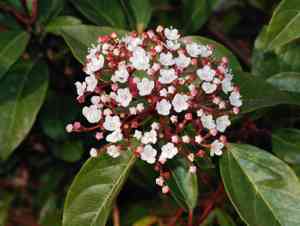
Laurustinus (Viburnum tinus)
Also known as: Laurustinus viburnum
Laurustinus (*Viburnum tinus*) is a flowering shrub that originates from the Mediterranean region. Often grown as an ornamental plant, it brings life to winter gardens with its clusters of small white flowers, providing beauty when few other plants are in bloom.
In This Article
Attributes of Laurustinus
Lifespan
Perennial
Plant Type
Shrub
Plant Height
2 m to 7 m
Spread
2.5 m to 3 m
Leaf Color
Green
Flower Size
5 cm to 10 cm
Flower Color
White Pink Cream
Images of Laurustinus
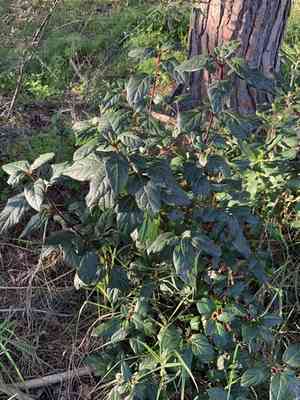
Quickly Identify Laurustinus
1
White flowers from pink buds in winter-spring, 2-4 inches wide
2
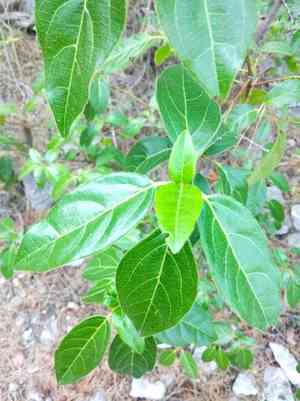
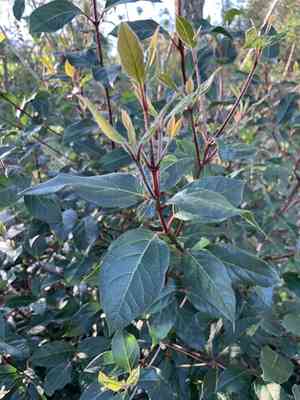
Dark green, glossy leaves, opposite, simple, ovate-oblong shape
3
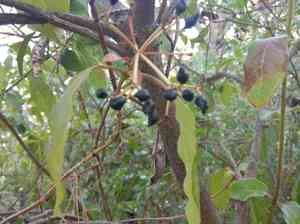
Ovoid fruit, blue to purplish-black, 0.4 inches diameter
4
Fruit contains single seed, hangs from branches, drupe structure
5
Fruit requires different viburnum for successful fruit set
Scientific Classification of Laurustinus
Phylum
Vascular plants
Class
Dicotyledons
Order
Dipsacales
Family
Moschatel
Genus
Viburnum
Species
Laurustinus
Planting and Growing of Laurustinus
Care Difficulty
Easy
Watering Schedule
Every 2 days
Sunlight Requirements
Partial sun
Sunshine Duration
4-8 hours
Ideal Temperature
59-68℉
Soil Type
Potting Mix, Peat Mix
Soil pH
6-7.5
Fertilizer Type
Balanced
Pruning Season
Spring, Summer
Pruning Area
Branches, Leaves
Pruning Frequency
2 times a year
Repotting Season
Spring
Pot Type
Plastic, Ceramic
 How to Water Laurustinus?
Viburnum tinus thrives best when watered thoroughly to a depth of 10-15 cm, ensuring that the entire root ball is moistened. Always allow the top 2.5 cm of soil to dry out between waterings to prevent root rot. A balance of moisture without saturation is key.
More About Watering Techniques→
What are the symptoms of an underwatered Laurustinus?
›
What should I do if my Laurustinus is not getting enough water?
›
What are the symptoms of an overwatered Laurustinus?
›
How to save an overwatered Laurustinus?
›
 What Are the Sunlight Requirements for Laurustinus?
Partial sun to full sun is optimal; it supports healthy growth and bountiful blooms. Adequate light encourages robust development and enhances disease resistance.
More About Sunlight Requirements Techniques→
How much sunlight does Viburnum tinus prefer?
›
How to achieve ideal lighting?
›
Benefits of ideal light conditions?
›
 What Is the Ideal Temperature Range for Laurustinus?
The ideal temperature range for Viburnum tinus is between 59°F and 68°F. This range allows the plant to photosynthesize efficiently, promoting healthy growth and development. This temperature is optimal for maintaining the plant's moisture levels and preventing stress-related issues.
 What Soil is Best for Laurustinus?
Viburnum tinus thrives best in well-drained soil. This helps prevent root rot by ensuring that excess water does not linger around the roots, thereby promoting healthy root development. This plant requires a nutrient-rich soil environment, abundant with organic matter. Such a soil provides the essential nutrients necessary for vigorous growth and flowering. The soil should maintain moderate moisture levels, neither too dry nor too wet. This ensures the plant remains hydrated and robust, while avoiding the stress of water deficiency or excess.
More About Soil→
 How to Fertilize Laurustinus?
For Viburnum tinus, apply a balanced liquid fertilizer with an N-P-K ratio of 10-10-10 at a rate of 2 tablespoons per gallon of water. For granular fertilizers, apply approximately 1/2 cup per plant. This ensures the plant receives adequate nutrients without the risk of over-fertilization.
More About Fertilizing Techniques→
 How to Prune Laurustinus?
Before pruning Viburnum tinus, it's crucial to gather the right tools, including sharp, clean pruning shears and possibly loppers for thicker branches. Preparing a clean-cut assists in preventing plant diseases. Always sterilize your tools with alcohol to minimize the risk of disease transmission from one part of the plant to the other. Start by visually inspecting the plant to identify any dead or damaged stems, which should be removed first. Cut these branches back to the nearest healthy lateral branch or to the main stem. Following this, thin out some of the interior branches to allow light penetration and air circulation, which are key to preventing fungal issues. Finally, trim back any excessively long stems to retain the plant’s natural form.
 How to Propagate Laurustinus plant?
1
Gather ripe seeds from the fruit of Viburnum tinus in the fall, ensuring they are dry and free from any signs of disease or damage, before storing them properly until spring planting.
2
Select healthy, semi-hardwood cuttings from the parent plant, about 10–15 cm in length. Remove lower leaves and create a clean cut using pruning shears.
3
Plant prepared cuttings or seeds in well-draining soil, ensuring that the soil is moist but not waterlogged, to promote root development and overall plant health.
 How to Repot Laurustinus plant?
1
It's time to repot Viburnum tinus when you notice roots poking through the drainage holes or circling the soil's surface. Another sign is when the plant's growth is stunted, and it seems to be struggling despite adequate watering. These signs indicate that the plant's roots have outgrown its current pot, and it's time for a bigger home.
2
Select a pot that is 1-2 inches larger in diameter than the current one, ensuring ample room for root expansion. Opt for pots with drainage holes to prevent waterlogged soil, which can lead to root rot. Terra cotta pots are an excellent choice as they allow the soil to breathe, keeping roots healthy and happy.
3
Choose a well-draining loamy soil mix, enriched with organic matter for ideal nutrient retention. This type of soil ensures that while your plant gets the moisture it needs, any excess will swiftly drain away, preventing root rot and promoting robust growth.
Toxicity
Ingestion
WARNING
The judgment on toxicity and danger is for reference only. We DO NOT GUARANTEE any accuracy of such judgment. Therefore, you SHALL NOT rely on such judgment. It is IMPORTANT TO SEEK PROFESSIONAL ADVICE in advance when necessary.



