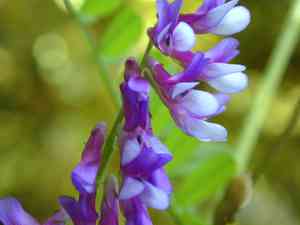
Hairy vetch (Vicia villosa)
Also known as: Winter vetch
Hairy vetch is commonly used as a cover crop and for animal forage due to its nitrogen-fixing properties. However, it's important to exercise caution because it's regarded as an invasive species in many regions, including several U.S. states and other countries. Always check local guidelines before planting.
Attributes of Hairy vetch
Images of Hairy vetch
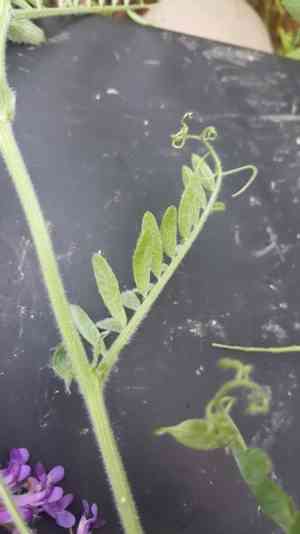
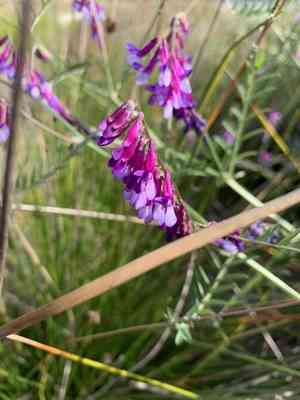
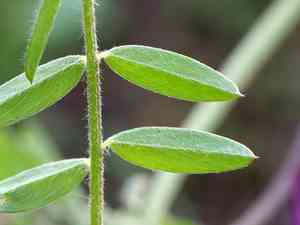
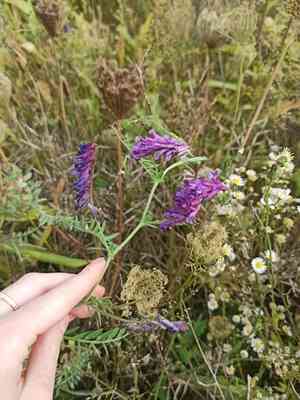
Quickly Identify Hairy vetch
Scientific Classification of Hairy vetch
Toxicity of Hairy vetch
Is Hairy vetch toxic to humans?
Hairy vetch is identified as a toxic plant, though instances of toxicity have solely been confirmed in controlled laboratory settings and through animal observations; no human poisoning cases have been reported. Research on the plant's toxicity remains scarce, and the specific toxic component is still uncertain. However, it is suggested that the seeds may harbor cyanide. Cyanide toxicity can manifest in various symptoms, including weakness, breathing difficulties, headaches, confusion, nausea, and in severe instances, seizures and loss of consciousness if ingested in significant quantities. Consequently, it is crucial to exercise caution regarding hairy vetch.
Is Hairy vetch toxic to cat?
Hairy vetch is deemed toxic to felines. The most common exposure happens when cats inadvertently consume its seeds. After ingestion, the cat may exhibit a range of distressing symptoms, indicating possible poisoning. It is essential to identify these signs promptly and obtain urgent care from a veterinary clinic to ensure the cat's well-being is properly addressed.
Is Hairy vetch toxic to dog?
Hairy vetch is a plant that presents a toxicity hazard for dogs. If dogs inadvertently consume this plant, they can fall victim to poisoning. The primary toxic elements of hairy vetch are its seeds, harboring the harmful substances responsible for causing poisoning. Upon ingestion of these seeds, dogs may display various symptoms that are characteristic of toxic exposure. It is essential for dog owners to keep a close watch on their pets and restrict their access to hairy vetch, particularly during walks or in regions where this plant is prevalent. If a dog consumes any part of hairy vetch, especially the seeds, it is vital to seek immediate veterinary assistance for the pet's health and safety.

