
Wild pansy (Viola bicolor)
Also known as: American field pansy, Johnny jump-up violet
The long-spurred violet (Viola rostrata) is the sole native North American violet of the genus Viola that features petals extending beyond the sepals. Notably, this plant produces cleistogamous flowers, which self-pollinate without opening.
In This Article
Attributes of Wild pansy
Lifespan
Annual, Perennial
Plant Type
Herb
Plant Height
15 cm
Spread
20 cm
Leaf Color
Green
Flower Size
1.3 cm
Flower Color
White Purple
Images of Wild pansy
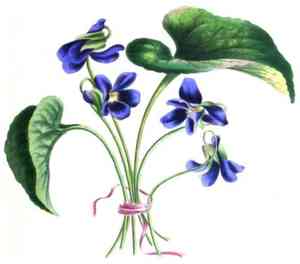
Quickly Identify Wild pansy
1
Heart-shaped leaves less than 1 inch long, arranged alternately on stem.
2
Vibrant flowers with purple and yellow 'face' pattern, 0.5 inch diameter.
3
Low growth, forming colonies, not exceeding 5 inches in height.
4
Stems light green to purplish, thin (0.1-0.2 inches), branching horizontally.
5
Capsules split open upon maturity, releasing numerous tiny light brown seeds.
Scientific Classification of Wild pansy
Phylum
Vascular plants
Class
Dicotyledons
Order
Malpighiales
Family
Violet
Genus
Violets
Species
Wild pansy
Planting and Growing of Wild pansy
Care Difficulty
Easy
Watering Schedule
Every 4 days
Sunlight Requirements
Partial sun
Sunshine Duration
4-8 hours
Ideal Temperature
60-75℉
Soil Type
Potting Mix, Peat Mix
Soil pH
6.5-7.5
Fertilizer Type
Balanced
Pruning Season
Spring, Summer
Pruning Area
Branches, Leaves
Pruning Frequency
Once a year
Repotting Season
Spring
Pot Type
Plastic, Ceramic
 How to Water Wild pansy?
For Viola bicolor, ensure the soil is moist but not waterlogged. Water deeply enough so moisture reaches the root zone, but do not let the plant sit in standing water. It's a balance of quenching its thirst without drowning it.
What are the symptoms of an underwatered Wild pansy?
›
What should I do if my Wild pansy is not getting enough water?
›
What are the symptoms of an overwatered Wild pansy?
›
How to save an overwatered Wild pansy?
›
 What Are the Sunlight Requirements for Wild pansy?
Partial sun environments suit Viola bicolor best. Ideally, exposure to morning sunlight followed by afternoon shade encourages lush growth and prolific flowering. Good lighting enhances photosynthesis, leading to optimal growth.
What's the best lighting condition for Viola bicolor?
›
How to achieve ideal lighting for Viola bicolor?
›
What benefits does Viola bicolor gain from ideal lighting?
›
 What Is the Ideal Temperature Range for Wild pansy?
The ideal temperature range for growing Viola bicolor is between 60°F and 75°F. This range ensures optimal growth and flowering, providing the plant with the conditions it needs to thrive. Temperatures within this range help to maintain the plant's metabolic functions without causing heat stress or cold-related growth inhibition.
 What Soil is Best for Wild pansy?
Viola bicolor thrives in soils that are rich in nutrients. This ensures that the plant has access to essential elements that promote robust growth and vibrant blooms. Providing a well-draining soil prevents waterlogging, which can lead to root rot. This allows the plant's roots to breathe and absorb necessary nutrients efficiently. Incorporating organic matter into the soil enhances its fertility and structure. For Viola bicolor, this means improved root anchorage and sustained moisture levels, which are crucial for its health.
 How to Fertilize Wild pansy?
Viola bicolor, known for its beautiful and delicate flowers, requires a balanced approach when it comes to fertilization. Use a balanced 10-10-10 liquid fertilizer diluted to half strength per application, ensuring the nutrients are adequate but not overwhelming for this sensitive plant.
 How to Prune Wild pansy?
To prune Viola bicolor, use sharp, clean scissors or garden shears. This ensures making precise cuts, minimizing damage to the plant, and reducing the risk of disease spread when pruning. Look for blooms that are wilted or turning brown. Gently pinch or snip these off at the base of the flower stem to encourage new blooms and keep the plant looking fresh and vibrant throughout the growing season Cut back any overly long or leggy stems to maintain a compact shape. Cutting just above a leaf node encourages bushier growth, allowing for a fuller, more aesthetically appealing plant.
 How to Propagate Wild pansy plant?
1
Begin by filling the seed tray with potting mix and lightly moisten it. Scatter the seeds over the surface and cover them with a thin layer of soil. These seeds require light for germination, so avoid burying them too deep.
2
Place the seed tray in a warm, well-lit location, ideally with indirect sunlight. Maintain consistent moisture by misting the surface regularly. Germination typically takes 1-2 weeks, depending on conditions.
3
Once seedlings develop their second set of true leaves, they are ready to be transplanted into individual pots. Gradually acclimate them to outdoor conditions before placing them in the garden.
 How to Repot Wild pansy plant?
1
Viola bicolor should be repotted when its roots outgrow the current pot, often noticeable when roots are visible through drainage holes, or the plant appears to be stunted. Performing repotting during its active growing seasons, spring or summer, ensures that the plant quickly adapts to its new pot.
2
Select a pot that is approximately one size larger in diameter than its current pot, ensuring it has drainage holes. A slightly larger pot prevents overwatering by allowing excess water to escape, and the increased size supports new root growth without overwhelming the plant.
3
Opt for a well-draining potting mix to keep Viola bicolor happy. The soil should be light and airy, allowing for adequate root aeration and minimizing water retention, which helps prevent root rot, one of the most common issues in potted plants.



