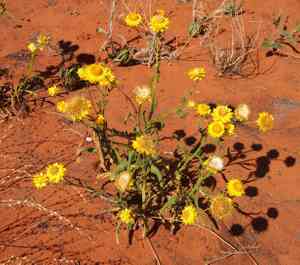
Strawflower (Xerochrysum bracteatum)
Also known as: Everlasting flower, Paper daisy, Everlasting daisy
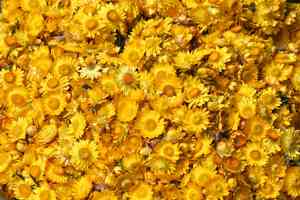
The strawflower (Xerochrysum bracteatum) may look similar to daisies at first glance, but it has unique features that set it apart. The "petals" of a strawflower are actually bracts, which are specialized leaves located at the flower’s base. These bracts have a distinctive, papery texture, almost like starched paper. Strawflowers are celebrated for their striking hues, which include vibrant shades of yellow, orange, red, and pink. These characteristics make them especially popular for use in dried floral arrangements.
In This Article
Attributes of Strawflower
Lifespan
Annual, Perennial, Biennial
Plant Type
Herb
Plant Height
20 cm to 80 cm
Spread
15 cm to 60 cm
Leaf Color
Green Silver
Flower Size
3 cm to 7 cm
Flower Color
Yellow Red Orange White Pink Gold
Images of Strawflower
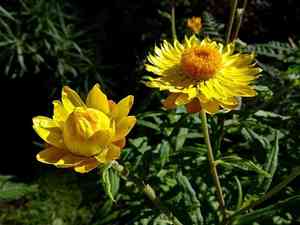
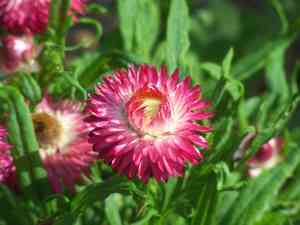
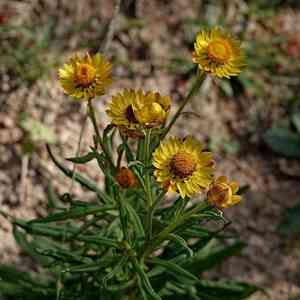
Quickly Identify Strawflower
1
Daisy-like flowers in vibrant hues of yellow, orange, white, red, and pink.
2
Distinct straw-like texture of glossy bracts surrounding a yellow central disk.
3
Lance-shaped leaves with a unique gray-green color and cobweb-like texture.
4
Erect stems growing up to 3 feet (90 cm) with sparse branching near the top.
5
Long-lasting flowers with rigid, papery bracts suitable for dried arrangements.
Scientific Classification of Strawflower
Phylum
Vascular plants
Class
Dicotyledons
Order
Asters bellflowers fanflowers and allies
Family
Daisy
Genus
Xerochrysum
Species
Strawflower
Planting and Growing of Strawflower
Care Difficulty
Easy
Watering Schedule
Every 3 days
Sunlight Requirements
Full sun
Sunshine Duration
6-12 hours
Ideal Temperature
65-75℉
Soil Type
Potting Mix, Peat Mix
Soil pH
6.5-7.5
Fertilizer Type
Balanced
Pruning Season
Spring, Summer
Pruning Area
Branches, Leaves
Pruning Frequency
2 times a year
Repotting Season
Spring
Pot Type
Plastic, Ceramic
 How to Water Strawflower?
When watering Xerochrysum bracteatum, aim to ensure the soil is evenly moist without being soggy. Water until you see a slight runoff from the bottom of the pot, which indicates the soil has absorbed enough moisture. Always let the top inch of soil dry out between watering sessions to prevent overwatering.
More About Watering Techniques→
What are the symptoms of an underwatered Strawflower?
›
What should I do if my Strawflower is not getting enough water?
›
What are the symptoms of an overwatered Strawflower?
›
How to save an overwatered Strawflower?
›
 What Are the Sunlight Requirements for Strawflower?
The ideal light range for Xerochrysum bracteatum is full to partial sunlight. This ensures the plant flowers robustly and develops healthy, colorful foliage while minimizing the risk of leggy growth.
More About Sunlight Requirements Techniques→
What is the best sunlight exposure?
›
How can I ensure optimal lighting conditions?
›
What benefits does ideal lighting provide?
›
 What Is the Ideal Temperature Range for Strawflower?
The ideal temperature range for cultivating Xerochrysum bracteatum is between 65°F to 75°F. This range supports robust growth, enabling the plant to thrive without unnecessary stress. The plant's metabolic processes function optimally within this temperature window, promoting flowering and overall aesthetic appeal.
 What Soil is Best for Strawflower?
Xerochrysum bracteatum thrives in well-draining soil that prevents waterlogging, which can lead to root rot. A soil mix with good drainage ensures the roots receive adequate oxygen, promoting healthy growth and vibrant blooms. This plant prefers a soil pH between 6.5 and 7.5. Maintaining this range ensures nutrient availability, supporting strong and healthy plant development. Soil tests can help in monitoring and adjusting pH levels accordingly. To support the growth of Xerochrysum bracteatum, soil should be enriched with organic matter or a balanced fertilizer. This provides the necessary nutrients for lush foliage and profuse flowering throughout the growing season.
More About Soil→
 How to Fertilize Strawflower?
Xerochrysum bracteatum, commonly known as the everlasting flower, requires a balanced approach to fertilization. A liquid fertilizer should be applied at half the recommended strength to avoid nutrient burn. For granulated slow-release fertilizers, follow the package instructions but typically aim for a light application of about 1 tablespoon per plant.
More About Fertilizing Techniques→
 How to Prune Strawflower?
Start by removing any dead or discolored leaves. These usually indicate parts of the plant that aren't contributing to new growth and may attract unwanted pests or disease. When trimming, make clean cuts just above a node where new growth is visible. This encourages the plant to focus energy on healthy growth rather than sustaining old or withering foliage. Maintain a balanced structure by trimming overgrown areas to encourage a compact, bushy form. This not only makes the plant aesthetically pleasing but also supports better air circulation throughout the foliage.
More About Pruning Techniques→
 How to Propagate Strawflower plant?
1
Plant Xerochrysum bracteatum seeds in well-drained soil. Sow them just below the surface, as they require light to germinate. Keep the soil consistently moist until germination occurs.
2
In early summer, cut several non-flowering stems about 6 inches long. Strip lower leaves and dip the cut end in rooting hormone before planting in a moist potting mix.
3
In spring, carefully dig up mature plants and separate them into several smaller clumps. Ensure each division has roots attached, and replant them immediately in well-drained soil.
 How to Repot Strawflower plant?
1
Repot Xerochrysum bracteatum when you notice that the roots are circling the pot, indicating it's root-bound. Another signal is if water is no longer draining through the pot, suggesting compacted soil. The best time for repotting is during the growing seasons of spring and summer, which supports rapid recovery and growth.
2
Choose a pot that is only slightly larger than the current one, ideally just 2-3 inches wider in diameter. This prevents over-potting, which can retain excess water and lead to root rot. Terracotta pots are excellent as they allow moisture to evaporate, keeping the roots dryer and healthier.
3
A well-draining potting mix is essential for Xerochrysum bracteatum. A suitable mix could include a blend of peat, pine bark, and perlite. This combination ensures adequate aeration and prevents waterlogging, providing optimal conditions for healthy root development.
Learn More About Strawflower Diseases
Anthracnose
Bacterial Leaf Spot
Bacterial Soft Rot
Bacterial Wilt
Crown Gall
Damping-off
Downy Mildew
Drought Stress
Fusarium Wilt
Gray Mold
Leaf Spot
Mosaic
Nutrient Deficiency
Nutrient Toxicity
Powdery Mildew
Root Rot
Root-knot Nematode
Rusts
Sooty Mold
Spider Mites
Temperature Stress
Thrips Damage
White Mold



