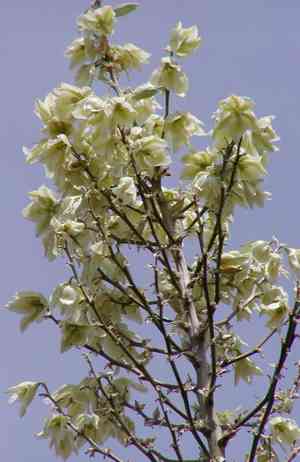
Soaptree yucca(Yucca elata)

Soaptree yucca (Yucca elata)

Also known as: Soap-weed yucca, Palmella

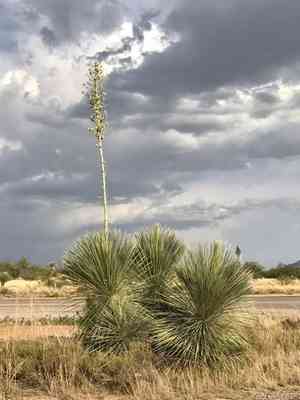
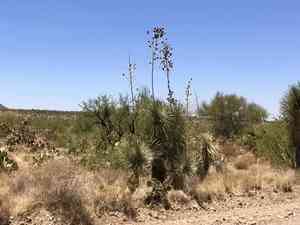
The Soaptree yucca (Yucca elata) is an evergreen plant that can reach heights of 6 to 15 feet. It features slender, green leaves with white edges that can grow up to 4 feet long. This yucca blooms from late spring to early summer, producing tall spikes adorned with clusters of creamy white, bell-shaped flowers. These fragrant flowers are known to attract hummingbirds.

### Uses:
1. **Traditional Use**: The roots and trunk are traditionally used to create soap and shampoo, thanks to their saponin content.
2. **Crafts**: The fibrous leaves are utilized in the making of ropes, baskets, and mats.
3. **Ornamental Use**: It is also popular in xeriscaping for its drought tolerance and striking appearance.

The Soaptree yucca is a versatile plant, valued for both its practical applications and ornamental qualities.

Attributes of Soaptree yucca

Lifespan
Perennial
Plant Type
Tree
Plant Height
1.2 m to 4.5 m
Spread
2.5 m to 3 m
Leaf Color
Green Blue Gray Variegated
Flower Size
5 cm to 10 cm
Flower Color
White

PlantJoy - Identify plants with a snap

Identify and diagnose plants, get toxicity alerts, and explore safety guides for all types of fungi.

Try for Free

Images of Soaptree yucca

Soaptree yucca(Yucca elata)

Quickly Identify Soaptree yucca

1
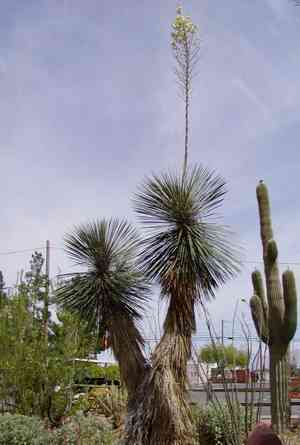
Treelike stature, 15-20 feet (4.5-6 meters) tall
2
Slender, flexible leaves, 3-4 feet long (1 meter)
3
Pale grey-green leaves with fibrous margins
4
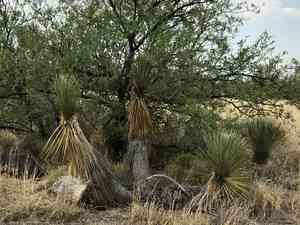
Older leaves drape down resembling a skirt
5
Produces white to green blossoms on a lofty spike

Scientific Classification of Soaptree yucca

Phylum
Vascular plants
Class
Monocotyledons
Order
Asparagales
Family
Asparagus
Genus
Yuccas
Species
Soaptree yucca

Planting and Growing of Soaptree yucca

Care Difficulty
Easy
Watering Schedule
Every 2 days
Sunlight Requirements
Full sun
Sunshine Duration
6-10 hours
Ideal Temperature
68-77℉
Soil Type
Potting Mix, Peat Mix
Soil pH
6.5-7.5
Fertilizer Type
Balanced
Pruning Season
Spring, Summer
Pruning Area
Branches, Leaves
Pruning Frequency
2 times a year
Repotting Season
Spring
Pot Type
Plastic, Terracotta

water icon How to Water Soaptree yucca?

Yucca elata requires careful watering to mimic its native desert environment. Water each time with about 500 ml, ensuring that the soil is moist but not soggy. Allow excess water to drain away completely, and the topsoil should dry out between waterings. This plant thrives when watering is done thoroughly yet sparingly.
What are the symptoms of an underwatered Soaptree yucca?
What should I do if my Soaptree yucca is not getting enough water?
What are the symptoms of an overwatered Soaptree yucca?
How to save an overwatered Soaptree yucca?

sunlight icon What Are the Sunlight Requirements for Soaptree yucca?

Sunlight Requirements: Full sun
Duration of light: 10 to 12 hours
Yucca elata prefers full sun exposure, typically 10 to 12 hours daily. Ideal lighting promotes robust growth, vibrant foliage, and strong structural integrity, crucial for the plant’s health and longevity.
What is the ideal lighting condition for Yucca elata?
How can you achieve ideal lighting conditions indoors?
What are the benefits of providing Yucca elata with ideal lighting?
More About Sunlight Requirements Techniques

temperature icon What Is the Ideal Temperature Range for Soaptree yucca?

Ideal Temperature: 68 ~ 77℉
Yucca elata thrives best in temperatures between 68°F and 77°F. This temperature range facilitates optimal growth by providing a warm environment that mimics its natural habitat. It helps maintain metabolic processes actively and supports healthy foliage and root expansion.

soil icon What Soil is Best for Soaptree yucca?

Soil type: Sandy soil, Loam, Calcareous soil
Soil PH: 6.5 ~ 7.5
Yucca elata thrives in well-draining soil that prevents waterlogging, which can lead to root rot. This type of soil ensures that the plant's roots are not sitting in water, promoting healthy growth and preventing diseases. This plant is adapted to nutrient-poor environments, so heavy fertilization is unnecessary. It benefits from minimal nutrient-rich soil, allowing natural growth rhythms without over-stimulation. Soil that is in a location with full sun exposure is ideal for Yucca elata, as it replicates the plant’s native desert environment. Full sunlight encourages robust growth and flowering.

fertilize icon How to Fertilize Soaptree yucca?

Fertilizer type: Balanced
When it comes to fertilizing Yucca elata, using a balanced fertilizer can be quite effective. Apply at half the recommended strength for most houseplants. This minimizes the risk of over-fertilization while allowing the plant to get essential nutrients.

prune icon How to Prune Soaptree yucca?

Pruning Time: Spring, Summer
Start by putting on a pair of sturdy gloves to protect your hands. Using sharp pruning shears, cut away any brown or dead leaves from the base. Trim any flower stalks after they have finished blooming. Ensure you make clean cuts to prevent any potential diseases. Remember to disinfect your tools before and after use to avoid contamination. More About Pruning Techniques

propagate icon How to Propagate Soaptree yucca plant?

Propagate Time: Spring, Late spring, Early spring, Summer, Early summer
1
Select a healthy stem and cut a section about 4-6 inches long with pruning shears. Allow the cut end to callous over for a few days before planting.
2
If propagating from seed, soak the seeds in water for 24 hours to enhance germination. Sow them on seed trays with proper drainage and lightly cover with soil.
3
For division propagation, carefully dig up a mature plant. Separate offsets or rhizomes making sure each has roots attached, then replant them at the same depth as the original plant.
More About Propagating Techniques

repot icon How to Repot Soaptree yucca plant?

Repotting frequency: Every 2-3 years
1
Yucca elata should be repotted when its roots start emerging from the drainage holes or when it appears too large for its current pot. Early signs include stunted growth, yellowing leaves, or if the plant becomes root-bound.
2
Choose a pot that is 1-2 inches larger in diameter than the current one, with adequate drainage holes. A slightly larger pot allows for root expansion without overwhelming the plant and prevents waterlogging, keeping your Yucca healthy.
3
Opt for a well-draining, sandy soil mix rich in mineral content. This type of soil mimics the natural arid environment of Yucca elata, preventing root rot while ensuring proper aeration and nutrient uptake.

PlantJoy - Identify plants with a snap

Find the best spots for them to optimize their health, simply using your phone.

Try for Free