
Zanzibar gem (Zamioculcas zamiifolia)
Also known as: Aroid palm, Emerald palm
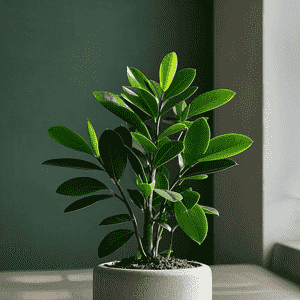
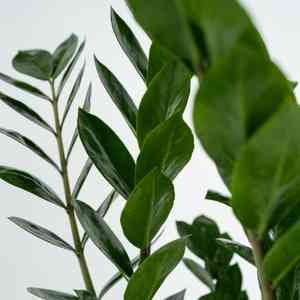
The ZZ plant (Zamioculcas zamiifolia), also known as the emerald palm, is native to eastern Africa. It is highly regarded for its vibrant, glossy green leaves and is popular worldwide as a houseplant due to its low maintenance requirements. While the plant is mildly toxic if ingested, the risk is generally considered to be low.
Attributes of Zanzibar gem
Images of Zanzibar gem


Quickly Identify Zanzibar gem
Scientific Classification of Zanzibar gem
Planting and Growing of Zanzibar gem
 How to Water Zanzibar gem?
 What Are the Sunlight Requirements for Zanzibar gem?
 What Is the Ideal Temperature Range for Zanzibar gem?
 What Soil is Best for Zanzibar gem?
 How to Fertilize Zanzibar gem?
 How to Prune Zanzibar gem?
 How to Propagate Zanzibar gem plant?
 How to Repot Zanzibar gem plant?
Toxicity of Zanzibar gem
Is Zanzibar gem toxic to humans?
The Zanzibar gem is a popular indoor plant that must be kept out of reach from small children and anyone who requires supervision to ensure their safety. Its attractive, glossy leaves contain calcium oxalate crystals. These minuscule, blade-shaped crystals can inflict damage on the mouth, throat, and digestive system when chewed and swallowed, leading to significant swelling and intense irritation. In addition to the discomfort in the mouth and throat, calcium oxalate crystals can lead to serious gastrointestinal issues, such as abdominal pain, vomiting, and diarrhea.
Is Zanzibar gem toxic to cat?
The Zanzibar gem is recognized as being harmful to cats. If these animals inadvertently consume any portion of the plant, they might exhibit poisoning symptoms, including mouth irritation, gastrointestinal discomfort, and possible skin irritation with extended skin contact. Due to these dangers, it is vital for cat owners to keep their pets away from the Zanzibar gem and to monitor them carefully for any signs of distress. Should poisoning occur, seeking prompt veterinary care is imperative to safeguard the health of the affected cat.
Is Zanzibar gem toxic to dog?
The Zanzibar gem is recognized as toxic to dogs, and if any part of this plant is consumed by a dog, it can result in poisoning. Every part of the plant, including its leaves, stems, and roots, contains toxic substances that can pose a danger when ingested by pets. Dogs may inadvertently chew on parts of the Zanzibar gem out of curiosity or due to its easy accessibility. After consuming the plant, a dog may show signs such as vomiting, diarrhea, lethargy, and in more severe instances, even breathing difficulties. Therefore, it is essential for dog owners to remain alert and keep their pets away from the Zanzibar gem. Should a dog ingest any portion of this plant, it is vital to seek immediate veterinary assistance to secure the best possible outcome for the animal.



