The Bird's-nest fern Plant Advantage: Maximizing Home and Office Appeal and Wellness
1
This botanical specimen flourishes in dim illumination, perfect for interior environments.
2
Recognized for its capacity to cleanse the air, it contributes to better indoor atmospheric conditions.
3
Its distinct visual characteristics enhance the beauty of any space.
Why Opt for Bird's-nest Fern in Your Residence?
An Ideal Plant for Dimly Lit Areas
A prominent characteristic of Bird's-nest fern is its capacity to flourish in dim light conditions. Unlike numerous other houseplants that demand direct sunlight, Bird's-nest fern can thrive with indirect illumination, making it perfect for homes and offices that may lack ample natural brightness. This adaptability to low light not only simplifies its maintenance but also expands possibilities for placement across your living environment.
Advantages for Indoor Air Quality
Beyond its visual appeal, Bird's-nest fern is recognized for its air-purifying qualities. Research indicates that ferns can effectively remove toxins like formaldehyde, xylene, and toluene from the air, which are prevalent in indoor settings due to off-gassing from furniture, carpets, and various household items. By introducing Bird's-nest fern into your home, you are not only adding greenery but also fostering a healthier interior atmosphere.
Bird's-nest Fern Care and Upkeep: Essential Information
Watering Requirements
Regarding watering Bird's-nest fern, regularity is vital. This fern prefers its soil to be consistently moist, yet not waterlogged. Excessive watering can lead to root rot, so proper drainage is crucial. A good approach is to irrigate the plant when the upper inch of soil feels dry. Additionally, occasionally misting the foliage can help replicate the plant's native humid rainforest environment.
Optimal Soil and Potting
Choosing the correct soil mix is essential for the robust development of Bird's-nest fern. A well-draining, peat-based potting blend is perfect. This type of soil permits adequate moisture retention while preventing water saturation around the roots. It's also beneficial to repot the plant every couple of years to refresh the medium and provide more space for expansion. When repotting, gently loosen the roots to encourage new root growth.
Enhancing Your Space with Bird's-nest Fern
Aesthetic Use and Placement
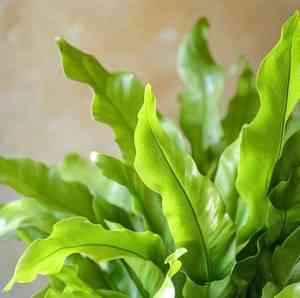
It's clear that the distinctive, rosette-forming leaves of Bird's-nest fern make it a beautiful ornamental piece. Whether positioned in a minimalist modern living room or a lush, bohemian-style bedroom, this plant can complement various interior designs. It performs well in hanging containers, on window ledges, or even as a central element in a plant grouping. Its adaptable look makes it a flexible option for any area of your home.
Combining Bird's-nest Fern with Other Indoor Plants
For those who appreciate a diverse array of plants, Bird's-nest fern harmonizes beautifully with other indoor species. Its broad, luxuriant leaves offer a nice contrast to the slender foliage of plants such as the snake plant or the delicate fronds of maidenhair ferns. This variety in textures and forms can add depth and visual interest to your indoor garden. Moreover, clustering plants together can help maintain higher humidity levels, which is advantageous for tropical plants like Bird's-nest fern.
Common Difficulties and Solutions for Bird's-nest Fern
Managing Pests
While Bird's-nest fern is relatively resistant to pests, it can still fall prey to typical indoor insects such as spider mites and scale insects. Regular inspection of leaves and stems for any indications of pests is critical. If you observe any infestations, an insecticidal soap or a mixture of water and mild dish soap can be effective in addressing the issue. Be sure to follow up with routine checks to ensure pest eradication.
Addressing Leaf Discoloration
Leaf discoloration can signal various problems, including insufficient watering, poor lighting, or nutrient deficiencies. Yellowing leaves often point to overwatering, while brown tips can suggest a lack of humidity. Adjusting your care regimen to better suit the plant's requirements can aid in restoring its vitality. Ensure it receives appropriate light levels, consistent irrigation, and consider using a balanced, water-soluble fertilizer during its active growth period.



