The Hop sedge Plant Advantage: Maximizing Home and Office Appeal and Wellness
1
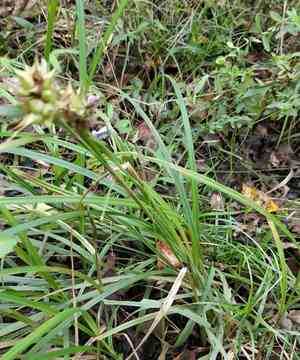
This botanical specimen flourishes in damp, boggy environments and can withstand inundation.
2
It offers crucial living spaces for diverse animal populations, enhancing ecological variety.
3
Hop sedge functions as an organic purifier, clarifying water and preventing soil degradation.
Why Select Hop Sedge for Your Garden?
What Are the Growing Conditions for Hop Sedge?
Thriving in damp, boggy environments, Hop sedge tolerates inundation exceptionally well. It flourishes in waterlogged areas and can greatly enhance gardens with naturally moist soil. Its strong root system firmly anchors the plant, making it resistant to erosion and ensuring stability even during heavy rainfall.
How Does Hop Sedge Improve Soil Quality?
A key advantage of Hop sedge is its capacity to enhance soil health. Through its deep, spreading roots, the plant stabilizes soil and prevents erosion. Furthermore, it acts as a natural filter, capturing nutrients and sediment, which leads to cleaner water runoff and reduced soil degradation. This trait makes it valuable in both home gardens and extensive wetlands.
Ecological Advantages of Hop Sedge
How Does Hop Sedge Support Wildlife?
Hop sedge offers a rich habitat for diverse wildlife species. Its dense foliage provides shelter and breeding sites for insects, birds, and small mammals. Amphibians, in particular, find it an ideal location for egg-laying due to the plant's moist surroundings. This biodiversity not only enlivens gardens but also contributes to a healthier overall ecosystem.
Can Hop Sedge Aid in Water Management?
As an excellent natural water purifier, Hop sedge plays a vital role in water management. It captures and utilizes nutrients from runoff, decreasing nutrient loads in nearby water bodies that can cause eutrophication. Moreover, its presence in wetland areas can reduce flood risk by absorbing excess water, thereby regulating water levels and mitigating flood damage.
Practical Applications of Hop Sedge in Landscaping
How to Integrate Hop Sedge into Garden Design?
Hop sedge is highly adaptable in garden design, fitting various styles from naturalistic to formal. It can be planted along pond edges, in rain gardens, or within wetland zones to create a lush and functional green space. Utilizing its natural beauty and ecological benefits, landscapers can use it to frame water features, establish wildlife-friendly areas, or blend it seamlessly with other moisture-loving plants.
What are the Upkeep Requirements for Hop Sedge?
One of the benefits of Hop sedge is its minimal maintenance needs. Once established, it requires little care, largely thriving on its own in suitable conditions. Regular checks for invasive species and occasional trimming of dead foliage are usually enough to keep the plant healthy and attractive. Its resilience and low-maintenance nature make it an ideal choice for gardeners seeking sustainable, easy-to-care-for options.
The Role of Hop Sedge in Sustainable Gardening
How Does Hop Sedge Align with Sustainable Practices?
Incorporating Hop sedge into your garden perfectly aligns with sustainable gardening methods. The plant's natural abilities to manage water, enhance soil quality, and support biodiversity make it a cornerstone of eco-friendly landscaping. By choosing Hop sedge, gardeners not only create beautiful, resilient landscapes but also contribute to environmental conservation efforts.
Is Hop Sedge Suitable for Urban Gardens?
Yes, Hop sedge is well-suited for urban gardens, especially those with water management challenges. Its adaptability to various wet conditions means it can thrive in urban areas prone to runoff and flooding. Planted in urban green spaces, rain gardens, and alongside city ponds, Hop sedge adds aesthetic value while providing crucial ecological functions, making it an invaluable addition to urban biodiversity initiatives.



